

Introducing Enhanced Distribution Support
 cabelo
OpenVINO 2026.4.0: Nova versão anunciada.
Executar inteligência artificial localmente exige mais do que escolher um bom modelo. É preciso aproveitar o hardware disponível, administrar memória e reduzir o tempo de resposta. As novidades do OpenVINO 2026.4.0 avançam nessas frentes, com ampliação do suporte a modelos, novas técnicas de aceleração e melhorias para aplicações que utilizam CPUs, GPUs e NPUs Intel.
A atualização reúne recursos para linguagem, visão, reconhecimento de fala e geração de imagens. Para quem desenvolve soluções de IA local, embarcada ou corporativa, isso amplia as possibilidades de construir aplicações com diferentes modalidades dentro do mesmo ecossistema.
Mais modelos e possibilidades de aplicação
A relação de novos modelos suportados inclui Gemma-3n em CPU e uma lista abrangente para execução em CPU e GPU: Kokoro-82M, Qwen3-VL-4B com EAGLE-3, Qwen3-ASR, Muse Glimmer 30B, Qwen3.8 27B, Gemma 4 12B, Hy-MT2-1.8B, DeepSeek OCR-2 e Granite 4.0 H Micro.
Essa expansão aproxima diferentes etapas de uma aplicação: reconhecer fala, interpretar imagens e documentos, traduzir conteúdo, gerar respostas e sintetizar voz.
Nas NPUs, os destaques são FLUX.2-Klein 4B e Kokoro-82M, ampliando as opções para geração de imagens e síntese de fala nesse acelerador. O suporte anunciado deve ser considerado junto aos requisitos de cada modelo e plataforma: a presença de uma NPU, por si só, não garante que qualquer configuração consiga executar todas essas cargas.
Também chegam, como versões iniciais para CPU e GPU, Qwen-Image, Z-Image-Turbo, Granite 4.0 H Tiny, Fun-ASR-Nano, LFM2.5-8B-A1B, MiniCPM5-2B, RF-DETR, BGE Reranker-V2-M3 e BGE M3. São novas opções para experimentação, com validação necessária antes da adoção em produção.
Geração de texto acelerada com previsão de múltiplos tokens
Uma das novidades mais relevantes do OpenVINO GenAI é o suporte à decodificação especulativa com Multi-Token Prediction, ou MTP, para Gemma 4, Qwen3.5 e Qwen3.6 em CPUs e GPUs.
A ideia é antecipar múltiplos tokens e submetê-los à validação, aproveitando as previsões aceitas para acelerar a geração. Segundo as notas da versão, o objetivo é aumentar a vazão e reduzir a latência sem sacrificar a precisão.
O ganho efetivo depende do modelo, do hardware e da carga de trabalho. Por isso, vale medir tanto o tempo até o primeiro token quanto a velocidade de geração e o tempo total da resposta.
O release também apresenta, em prévia, aceleração DFlash para modelos Qwen em GPUs e suporte a tokens visuais voltado à redução de latência em pipelines GenAI nos processadores Intel Core Ultra Series 3.
Mais desempenho em aplicações multimodais
O EAGLE-3 passa a contar com Tree Drafting, utilizando Top-K. Em vez de explorar uma única sequência de candidatos, como no Chain Drafting com Top-1, essa abordagem permite considerar alternativas em uma estrutura de árvore.
A proposta é aumentar a vazão em pipelines de modelos de visão e linguagem, que combinam informações visuais e textuais.
Outra melhoria está nas otimizações para os gráficos integrados Xe3. Elas buscam melhorar a inferência de modelos Gemma 4 com entradas de contexto longo nos Intel Core Ultra Series 3, um cenário relevante para aplicações que precisam processar grandes volumes de informação antes de responder.
CPU, GPU e NPU na mesma ferramenta de análise
O OpenVINO estende à NPU o suporte de instrumentação e rastreamento ITT. Com isso, o Intel VTune Profiler passa a oferecer uma ferramenta consistente para analisar a execução em CPU, GPU e NPU.
Esse avanço ajuda a investigar gargalos e fundamentar decisões sobre a distribuição das cargas de trabalho. Para a computação heterogênea, observar o comportamento de cada dispositivo é tão importante quanto conseguir executar o modelo nele.
Também em prévia, o suporte a formas dinâmicas com limites definidos nas NPUs avança para tarefas de visão, como super-resolução de imagens, com validação no modelo ESPCN. É um passo relevante para entradas de dimensões variáveis, dentro dos limites suportados, sem representar suporte irrestrito a qualquer forma dinâmica.
Reconhecimento de fala diretamente no Node.js
O OpenVINO GenAI adiciona suporte ao ASRPipeline em Node.js. Desenvolvedores JavaScript passam a contar com uma API para reconhecimento automático de fala, incluindo modelos como Whisper e Qwen3-ASR, com streaming e métricas de desempenho.
A interface segue uma abordagem semelhante à disponível em C++ e Python. Isso facilita a integração de transcrição em aplicações e serviços que já utilizam JavaScript.
Servidores com melhor aproveitamento de memória
O OpenVINO Model Server recebe, em prévia, gerenciamento de modelos ociosos. A funcionalidade permite descarregar modelos que não estão em uso para reduzir o consumo de memória.
Esse recurso pode ser especialmente útil em serviços que disponibilizam vários modelos com demandas intermitentes. Na avaliação prática, será importante considerar também o tempo necessário para recarregá-los quando uma nova solicitação chegar.
O Model Server amplia ainda o suporte a modelos voltados a aplicações com agentes, incluindo Muse Glimmer 30B e Qwen3.8 27B.
Para quem trabalha com IA local e infraestrutura própria, o OpenVINO 2026.4.0 oferece novas oportunidades de aproveitar o hardware disponível. O próximo passo é transformar suporte anunciado em resultados medidos: validar compatibilidade, qualidade das respostas, consumo de memória e latência nas condições reais de uso. É assim que novas capacidades se tornam soluções úteis no dia a dia.

Tumbleweed ARM Updates in September
There were a few software package updates for openSUSE Tumbleweed ARM this month with snapshots reaching the ARM port.
September’s snapshots of the ARM port carried the Linux kernel to a security-heavy 7.2.5. There was a jump to glibc 2.44 with its large AArch64 push, and QEMU reaching 11.1.1. Raspberry Pi owners get a firmware fix that clears up a Wi-Fi scan error, the Networking Stack received security patches, and GIMP 3.2.6 brings AArch64-specific fixes.
Raspberry Pi
This month’s raspberrypi-firmware update prevents the spurious “-52” error message that could appear during Wi-Fi scans (bsc#1215134), so scanning for networks is quieter on boards where the firmware reported a phantom failure. The Linux kernel 7.2.4 update fixed a memory leak in the brcmfmac driver’s SDIO control path, which reduces memory pressure over long uptimes on the onboard Cypress Wi-Fi chip used across recent Pi models.
Rockchip & Other SBCs
Owners of Rockchip and other single-board computers get kernel fixes for the MediaTek Wi-Fi chipsets that many boards ship with, including headroom fixes for USB/SDIO transfers on mt7925 and EEPROM size validation on the mt7915 and mt7996 drivers, which protects against malformed device data (bsc#1012628). kernel-firmware-qcom adds DSP firmware for the Qualcomm x1e80100, nord and qcs8300 platforms, improving modem, DSP and graphics support. dracut now includes leds-qcom-lpg in the aarch64 DRM module set, keeping RGB indicator LEDs working when booting from an initrd. Finally, wireless-regdb enables 320 MHz channels for Hong Kong, updates South Africa’s rules, and drops the 60 GHz DFS flag for Togo.
i.MX & NXP
Developers working with NXP hardware gain the imx8mp-evk machine type in QEMU 11.1.1, which emulates the i.MX 8M Plus Evaluation Kit and makes it easier to test software for that platform without physical hardware. The kernel 7.2.3 update fixed the mxs-dcp crypto engine’s source scatterlist length access and improved the Data Co-Processor security block on i.MX System on Chips that use it for accelerated encryption. These changes make NXP hardware slightly more accessible to both emulation and crypto workloads.
aarch64 Virtualization, UEFI & Toolchain
QEMU 11.1.1 is the virtualization highlight of the month, advancing the emulator with Universal Flash Storage emulation for Write Booster and Host-Initiated Defragmentation based on the UFS 4.1 specification, plus vhost-host-user support for offloading real-time clock handling through virtio-rtc. The ARM targets gain new architectural CPU features, and the virt board can now specify cache topology. The ARM-specific fixes include a regression test and boundary-case fix for the SVE2 whilewr/whilerw instructions and a fix for arm_gicv3 kconfig selection, and openSUSE disables GCS linker validation in the spec to keep the aarch64 build working.
glibc 2.44 delivers the strongest AArch64 additions in months. On targets with the Guarded Control Stack extension, glibc now locks all GCS operations, including status, write-on-shadow-stack and push-to-shadow-stack, immediately after enabling GCS with an ENFORCED or OVERRIDE policy, closing a window where a process could still mutate its own shadow stack. Special-case paths for log, exp, sin, cas, sinh, cosh, asinh, acosh and atanh are vectorized for both SVE and AdvSIMD, and vector powr variants are added, which speeds up floating-point-heavy code on capable Cortex-X and Neoverse cores.
ovmf advances to edk2-stable202608, refreshing the UEFI firmware that backs the qemu-uefi-aarch64 subpackage. The update adds AArch64 host test coverage across SecurityPkg, CryptoPkg, PrmPkg, DynamicTablesPkg, MdeModulePkg and MdePkg, plus UnitTestFrameworkPkg support for GCC AArch64, which strengthens firmware quality assurance for arm64 virtual machines. The EFI Memory Attributes Protocol workaround is dropped because GRUB2 now supports the protocol, so booting stays compatible with the cleaner firmware behavior.
sdbootutil improved its systemd-boot handling with a new status command, parallel test execution, a --repair parameter for cleanup, and better reporting of entries with missing files. The update prevents duplicate entries on non-snapper systems, keeps the exit status of sdbootutil calls intact, and avoids writing the recovery PIN to the journal, which is a meaningful privacy improvement for systems using PCR-based secure boot.
GTK4 4.22.5 fixes a build failure on 32-bit ARM and repairs 32-bit Vulkan image builds, so the toolkit and gskvulkanimage both compile cleanly on armv7. A Wayland session crash in gdk_wayland_toplevel_remove_from_session() and a memory buffer fix round out the release for desktop users on ARM.
LLVM 23.1.1 arrives as a bugfix release for the 23.1.0 series, remaining API and ABI compatible while dropping the obsolete i586 build patch.
GIMP 3.2.6 carries the first AArch64-specific wins for the image editor. The clipboard brush and pattern maximum size is bumped to 8192 on AArch64 as well, matching the ceiling that x86-64 and PPC64 have had since the 3.2.0 release candidates, so larger brushes and patterns survive clipboard round-trips on ARM desktops.
shotwell 33.0 makes the jump from the 0.32 series with a full port to GTK4 (requiring at least 4.22), a reworked printing flow, and fixes for the fullscreen toolbar auto-hide and disappearing slideshow icons. The release replaces its dedicated authentication helper with a small localhost web server for publishing, adds a “peek password” toggle to the Piwigo flow and fixes setting desktop backgrounds.
kbd 2.10.0 extends the console stack with XKB support: loadkeys can now generate console keymaps from XKB data, import XKB compose tables and handle XKB group switching, modifier handling, virtual console switching and keypad/editing remaps.
Snapshots at a Glance
| Snapshot | Kernel | Headline changes |
|---|---|---|
| 2026-09-08 | 7.2.3 | glibc 2.44 with AArch64 GCS and SVE/AdvSIMD math, QEMU 11.1.1 with imx8mp-evk, Raspberry Pi firmware Wi-Fi scan fix |
| 2026-09-12 | 7.2.4 | edk2-stable202608 with AArch64 host tests, dracut aarch64 LED module, GTK4 32-bit ARM build fix, LLVM 23.1.1 |
| 2026-09-14 | 7.2.5 | kernel security batch (Tegra241 CMDQV, iommufd, nvmet, Bluetooth RFCOMM, PCI, rndis_host), GIMP 3.2.6 with AArch64 fixes, shotwell 33.0, kbd 2.10.0 |
ARM Resources
For ARM-specific discussions and support, subscribe to the openSUSE ARM mailing list and check the openSUSE ARM wiki for device support information, image downloads, and documentation. New and existing ARM users can also join the openSUSE ARM IRC channel for real-time help.

 Member
Las novedades de Minuet de KDE Gear 26.08, edición «Enjoy Shiny Stuff»
Sigo la serie con las nuevas funcionalidades que nos ofrece la Comunidad KDE después de lanzar su conjunto de aplicaciones revisadas y mejoradas. Finalizamos con las novedades de Minuet de KDE Gear 26.08 edición «Enjoy Shiny Stuff» la aplicación de educación musical de KDE.
Las novedades de Minuet de KDE Gear 26.08, edición «Enjoy Shiny Stuff»
Minuet es la aplicación de KDE para la educación musical cuyo objetivo es ayudar a estudiantes y músicos a entrenar el oído mediante ejercicios de intervalos, acordes, escalas y ritmos.
Para este KDE Gear 26.08, Minuet estrena una nueva interfaz diseñada para funcionar a la perfección tanto en pantallas de escritorio como en dispositivos móviles.
Para lograrlo, la página de inicio y el panel de navegación facilitan la localización de las categorías de ejercicios, mientras que el explorador de actividades presenta ahora cada ejercicio en forma de tarjeta con una breve descripción. La categoría actual permanece resaltada y el nuevo campo de búsqueda permite filtrar los ejercicios por sus nombres y descripciones traducidos.
Del mismo modo, las páginas de los ejercicios se han reorganizado para aprovechar mejor el espacio disponible en ventanas estrechas y teléfonos.
En resumen, un lavado de cara para que el uso de esta aplicación sea lo más satisfactorio posible.
Todo ello mientras se prepara el 30 aniversario de un proyecto que según más de uno es el I+D+I de un Software de todo el mundo para todo el mundo.

Y, recuerda, todo este software es gratuito y sin publicidad en todos los sentidos: no te cuesta ni un euro y no se cobra en en forma de datos personales. No obstante, si quieres ayudar a su desarrollo siempre puedes participar en su campaña de recaudación de fondos.
-
Las novedades de Minuet de KDE Gear 26.08, edición «Enjoy Shiny Stuff»
 Las novedades de Minuet de KDE Gear 26.08, edición «Enjoy Shiny Stuff»
 -
Las novedades de Kdenlive de KDE Gear 26.08, edición «Enjoy Shiny Stuff»
 La novedades de Kdenlive de KDE Gear 26.08, edición «Enjoy Shiny Stuff»
 -
Las novedades de Konsole de KDE Gear 26.08, edición «Enjoy Shiny Stuff»
 Las novedades de Konsole de KDE Gear 26.08, edición «Enjoy Shiny Stuff»


La entrada Las novedades de Minuet de KDE Gear 26.08, edición «Enjoy Shiny Stuff» se publicó primero en KDE Blog.
Tw Arm Update
author: Douglas DeMaio date: 2026-09-16 14:00:00+02:00 layout: post image: /wp-content/uploads/2025/07/sbc.png license: CC-BY-SA-3.0 title: Tumbleweed ARM Updates in September categories:
- Announcements
- openSUSE
- Tumbleweed
- Slowroll
- MicroOS
- arm tags:
- openSUSE
- Tumbleweed
- Developers
- sysadmin
- user
- Open Source
- rolling release
- gamers
- superuser
- distrowatch
- Linux
- kernel
- kernel-source
- Mesa
- graphics
- CVE
- Power Users
- Superuser
- ARM
- AArch64
- Raspberry Pi
- Rockchip
- SBC
- Jetson
- QEMU
- glibc
- UEFI
- snapper
- GIMP
- shotwell
- kbd
There were a few software package updates for openSUSE Tumbleweed ARM this month with snapshots reaching the ARM port.
September’s snapshots of the ARM port carried the Linux kernel to a security-heavy 7.2.5. There was a jump to glibc 2.44 with its large AArch64 push, and QEMU reaching 11.1.1. Raspberry Pi owners get a firmware fix that clears up a Wi-Fi scan error, the Networking Stack received security patches, and GIMP 3.2.6 brings AArch64-specific fixes.
Raspberry Pi
This month’s raspberrypi-firmware update prevents the spurious “-52” error message that could appear during Wi-Fi scans (bsc#1215134), so scanning for networks is quieter on boards where the firmware reported a phantom failure. The Linux kernel 7.2.4 update fixed a memory leak in the brcmfmac driver’s SDIO control path, which reduces memory pressure over long uptimes on the onboard Cypress Wi-Fi chip used across recent Pi models.
Rockchip & Other SBCs
Owners of Rockchip and other single-board computers get kernel fixes for the MediaTek Wi-Fi chipsets that many boards ship with, including headroom fixes for USB/SDIO transfers on mt7925 and EEPROM size validation on the mt7915 and mt7996 drivers, which protects against malformed device data (bsc#1012628). kernel-firmware-qcom adds DSP firmware for the Qualcomm x1e80100, nord and qcs8300 platforms, improving modem, DSP and graphics support. dracut now includes leds-qcom-lpg in the aarch64 DRM module set, keeping RGB indicator LEDs working when booting from an initrd. Finally, wireless-regdb enables 320 MHz channels for Hong Kong, updates South Africa’s rules, and drops the 60 GHz DFS flag for Togo.
i.MX & NXP
Developers working with NXP hardware gain the imx8mp-evk machine type in QEMU 11.1.1, which emulates the i.MX 8M Plus Evaluation Kit and makes it easier to test software for that platform without physical hardware. The kernel 7.2.3 update fixed the mxs-dcp crypto engine’s source scatterlist length access and improved the Data Co-Processor security block on i.MX System on Chips that use it for accelerated encryption. These changes make NXP hardware slightly more accessible to both emulation and crypto workloads.
aarch64 Virtualization, UEFI & Toolchain
QEMU 11.1.1 is the virtualization highlight of the month, advancing the emulator with Universal Flash Storage emulation for Write Booster and Host-Initiated Defragmentation based on the UFS 4.1 specification, plus vhost-host-user support for offloading real-time clock handling through virtio-rtc. The ARM targets gain new architectural CPU features, and the virt board can now specify cache topology. The ARM-specific fixes include a regression test and boundary-case fix for the SVE2 whilewr/whilerw instructions and a fix for arm_gicv3 kconfig selection, and openSUSE disables GCS linker validation in the spec to keep the aarch64 build working.
glibc 2.44 delivers the strongest AArch64 additions in months. On targets with the Guarded Control Stack extension, glibc now locks all GCS operations, including status, write-on-shadow-stack and push-to-shadow-stack, immediately after enabling GCS with an ENFORCED or OVERRIDE policy, closing a window where a process could still mutate its own shadow stack. Special-case paths for log, exp, sin, cas, sinh, cosh, asinh, acosh and atanh are vectorized for both SVE and AdvSIMD, and vector powr variants are added, which speeds up floating-point-heavy code on capable Cortex-X and Neoverse cores.
ovmf advances to edk2-stable202608, refreshing the UEFI firmware that backs the qemu-uefi-aarch64 subpackage. The update adds AArch64 host test coverage across SecurityPkg, CryptoPkg, PrmPkg, DynamicTablesPkg, MdeModulePkg and MdePkg, plus UnitTestFrameworkPkg support for GCC AArch64, which strengthens firmware quality assurance for arm64 virtual machines. The EFI Memory Attributes Protocol workaround is dropped because GRUB2 now supports the protocol, so booting stays compatible with the cleaner firmware behavior.
sdbootutil improved its systemd-boot handling with a new status command, parallel test execution, a --repair parameter for cleanup, and better reporting of entries with missing files. The update prevents duplicate entries on non-snapper systems, keeps the exit status of sdbootutil calls intact, and avoids writing the recovery PIN to the journal, which is a meaningful privacy improvement for systems using PCR-based secure boot.
GTK4 4.22.5 fixes a build failure on 32-bit ARM and repairs 32-bit Vulkan image builds, so the toolkit and gskvulkanimage both compile cleanly on armv7. A Wayland session crash in gdk_wayland_toplevel_remove_from_session() and a memory buffer fix round out the release for desktop users on ARM.
LLVM 23.1.1 arrives as a bugfix release for the 23.1.0 series, remaining API and ABI compatible while dropping the obsolete i586 build patch.
GIMP 3.2.6 carries the first AArch64-specific wins for the image editor. The clipboard brush and pattern maximum size is bumped to 8192 on AArch64 as well, matching the ceiling that x86-64 and PPC64 have had since the 3.2.0 release candidates, so larger brushes and patterns survive clipboard round-trips on ARM desktops.
shotwell 33.0 makes the jump from the 0.32 series with a full port to GTK4 (requiring at least 4.22), a reworked printing flow, and fixes for the fullscreen toolbar auto-hide and disappearing slideshow icons. The release replaces its dedicated authentication helper with a small localhost web server for publishing, adds a “peek password” toggle to the Piwigo flow and fixes setting desktop backgrounds.
kbd 2.10.0 extends the console stack with XKB support: loadkeys can now generate console keymaps from XKB data, import XKB compose tables and handle XKB group switching, modifier handling, virtual console switching and keypad/editing remaps.
Snapshots at a Glance
| Snapshot | Kernel | Headline changes |
|---|---|---|
| 2026-09-08 | 7.2.3 | glibc 2.44 with AArch64 GCS and SVE/AdvSIMD math, QEMU 11.1.1 with imx8mp-evk, Raspberry Pi firmware Wi-Fi scan fix |
| 2026-09-12 | 7.2.4 | edk2-stable202608 with AArch64 host tests, dracut aarch64 LED module, GTK4 32-bit ARM build fix, LLVM 23.1.1 |
| 2026-09-14 | 7.2.5 | kernel security batch (Tegra241 CMDQV, iommufd, nvmet, Bluetooth RFCOMM, PCI, rndis_host), GIMP 3.2.6 with AArch64 fixes, shotwell 33.0, kbd 2.10.0 |
ARM Resources
For ARM-specific discussions and support, subscribe to the openSUSE ARM mailing list and check the openSUSE ARM wiki for device support information, image downloads, and documentation. New and existing ARM users can also join the openSUSE ARM IRC channel for real-time help.
GNOME 51 Wallpapers
With GNOME 51 out the door, it's wallpaper reveal season again. This time around it's evolution, not revolution — the set sticks to its geometric roots.
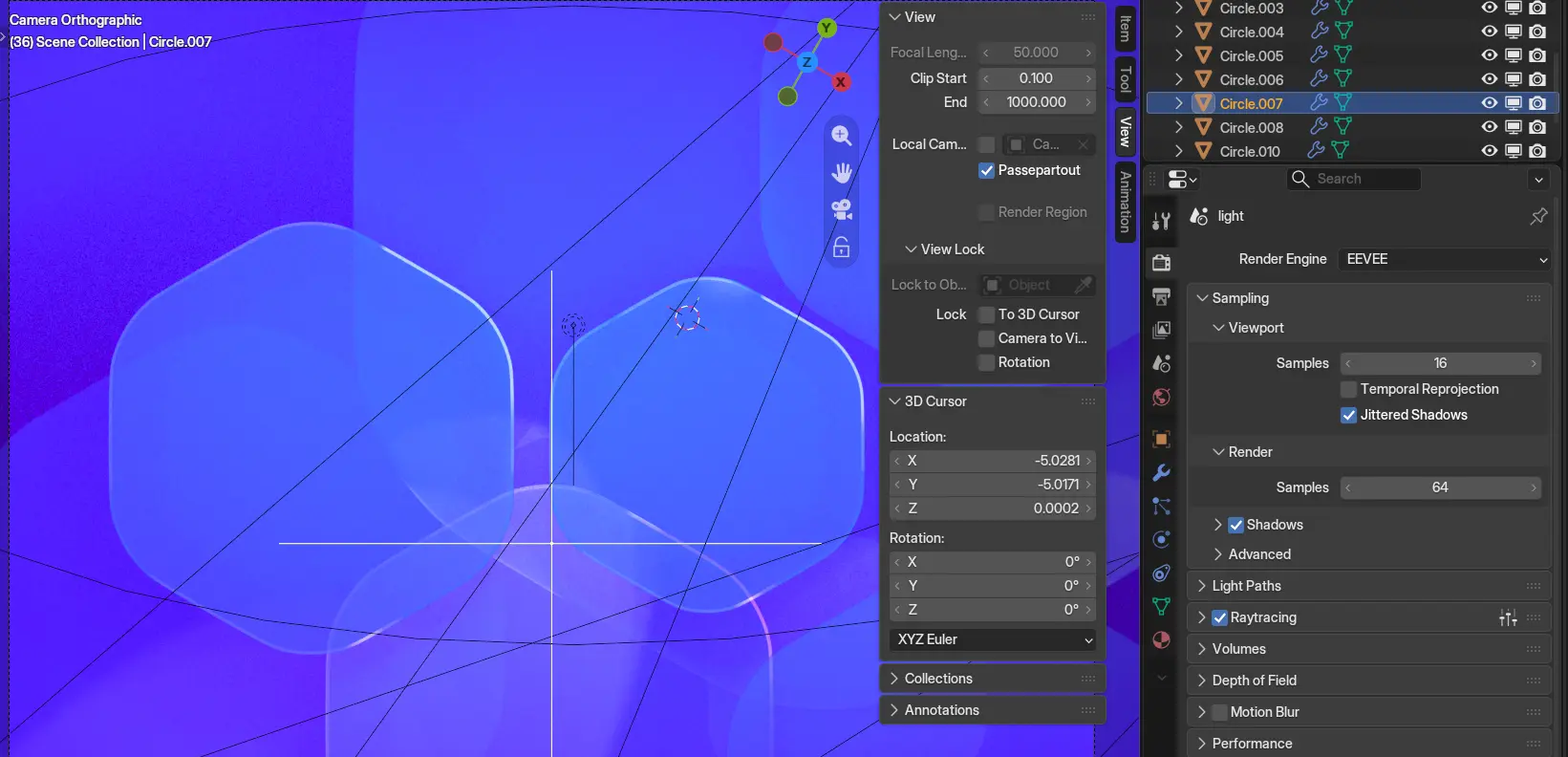
The default is really just a stylistic touch up of the 50 hexagons. The subtle rim highlight received a spotlight and now shines extra bright.
I do keep hoping landscape nature photos eventually join the lineup, but capturing the same scenery under different conditions so the light and dark variants actually make sense is trickier than it sounds. That one's still on the wishlist.
As usual, plenty of concepts didn't make the cut. For every wallpaper that ships, there's a good pile of experiments that never got past the "that's kinda neat" stage.
One thing we keep struggling with is performance in the Appearance panel. The images now include an embedded small thumbnail, so hopefully a faster way to build the initial cache of thumbnails is on the horizon.
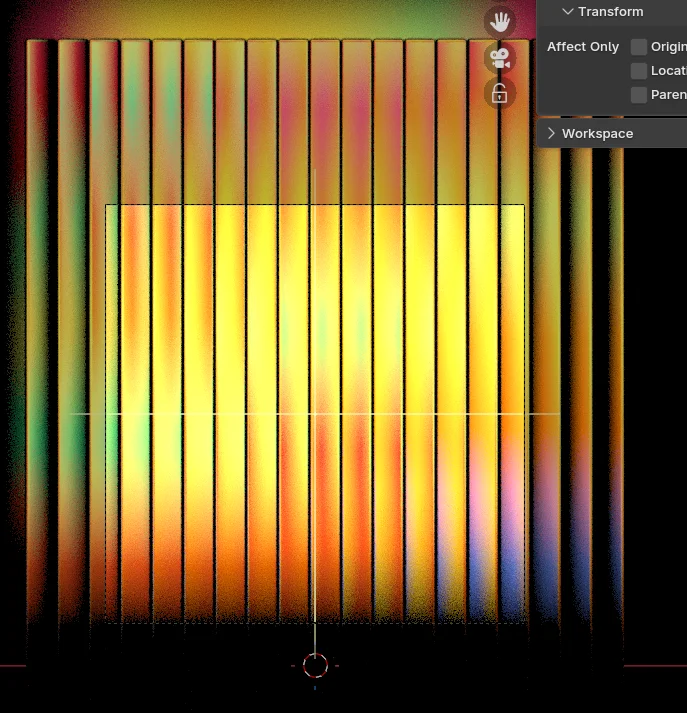
We've also started embedding attribution and license straight into the images themselves, so the credits travel with the file instead of living only in the repo. And with Loupe displaying the metadata nicely, you get to see it conveniently.
Descarga una tira aleatoria de Linux Hispano en la terminal
Con este script en Bash puedes descargar y volver a ver en tu equipo cualquiera de las 1144 tiras que su creador Danigm ha publicado desde 2004 hasta 2026

El pasado 10 de septiembre de 2026. La tira de Linux Hispano llegaba a su fin. Su creador, Danigm, cerraba así un círculo que empezó en 2004 y le llevó a publicar 1144 tiras en sus 22 años de vida.
Un gran ejemplo de constancia y de empeño. Mi agradecimiento a Danigm por todos esos años. Mi lector de feed tendrá un hueco cada semana.
Pero las tiras están publicadas bajo una licencia libre, así que podremos volver a revivirlas en nuestro equipo cuando queramos. Para eso he creado un repositorio y un script en Bash que te mostrará una tira en tu equipo utilizando feh (así que esta es la única dependencia).
Lo primero que hice fue descargar todas las tiras desde la web del creador. Mas 2 tiras que desde esa página no pude descargar, que estaban en formato jpg y las descargué desde la web de Linux Hispano.
El script en python para descargar las imágenes es el siguiente:
#!/usr/bin/env python3

import os
import re
import requests
from bs4 import BeautifulSoup
from urllib.parse import urljoin

BASE_URL = "https://tira.danigm.net/"
OUTPUT_DIR = "tiras"

# Meses en español -> número
MESES = {
    "enero": "01",
    "febrero": "02",
    "marzo": "03",
    "abril": "04",
    "mayo": "05",
    "junio": "06",
    "julio": "07",
    "agosto": "08",
    "septiembre": "09",
    "octubre": "10",
    "noviembre": "11",
    "diciembre": "12",
}

HEADERS = {
    "User-Agent": "Mozilla/5.0"
}

os.makedirs(OUTPUT_DIR, exist_ok=True)

session = requests.Session()
session.headers.update(HEADERS)

print("Leyendo listado...")
response = session.get(BASE_URL)
response.raise_for_status()

soup = BeautifulSoup(response.text, "html.parser")

total = 0
descargadas = 0
existentes = 0
errores = 0

for link in soup.find_all("a", href=True):

    texto = link.get_text(" ", strip=True)

    # Ejemplo:
    # Eof.Png (08 de septiembre de 2026)
    match = re.match(
        r"^(.+?)\.Png\s+\((\d{1,2})\s+de\s+([a-záéíóú]+)\s+de\s+(\d{4})\)$",
        texto,
        re.IGNORECASE
    )

    if not match:
        continue

    nombre = match.group(1)
    dia = match.group(2).zfill(2)
    mes_nombre = match.group(3).lower()
    año = match.group(4)

    if mes_nombre not in MESES:
        print(f"Mes desconocido: {mes_nombre}")
        errores += 1
        continue

    mes = MESES[mes_nombre]
    fecha = f"{dia}-{mes}-{año}"

    # La página individual, por ejemplo:
    # https://tira.danigm.net/all/1143-EOF.html
    pagina_url = urljoin(BASE_URL, link["href"])

    total += 1

    print(f"[{total}] {nombre} ({fecha})")

    try:
        pagina_response = session.get(pagina_url)
        pagina_response.raise_for_status()
    except requests.RequestException as e:
        print(f"    ERROR página: {e}")
        errores += 1
        continue

    pagina_soup = BeautifulSoup(pagina_response.text, "html.parser")

    # Buscamos la imagen de la tira
    imagen = None

    for img in pagina_soup.find_all("img", src=True):
        src = img["src"]

        if "_images/" in src:
            imagen = urljoin(pagina_url, src)
            break

    if not imagen:
        print("    ERROR: no se encontró la imagen")
        errores += 1
        continue

    # Siempre guardamos como PNG
    archivo = f"{nombre}|{fecha}.png"
    destino = os.path.join(OUTPUT_DIR, archivo)

    if os.path.exists(destino):
        print(f"    Ya existe: {archivo}")
        existentes += 1
        continue

    try:
        imagen_response = session.get(imagen)
        imagen_response.raise_for_status()

        with open(destino, "wb") as f:
            f.write(imagen_response.content)

        print(f"    OK -> {archivo}")
        descargadas += 1

    except requests.RequestException as e:
        print(f"    ERROR descargando: {e}")
        errores += 1

print()
print("=" * 50)
print(f"Entradas encontradas : {total}")
print(f"Descargadas           : {descargadas}")
print(f"Ya existentes          : {existentes}")
print(f"Errores                : {errores}")
print("=" * 50)
Esto me descargó las imágenes con el formato nombre|fecha_publicación.png
Esas imágenes las he subido a un repositorio de GitHub. He utilizado GitHub, para no sobrecargar de capacidad ni de peticiones ningún servidor comunitario como Codeberg o similares ni quería utilizar el servidor del propio creador. GitHub tiene dinero suficiente para mantener en sus servidores estas imágenes y capacidad para gestionar peticiones de descarga.
Ahora a ese repositorio de GitHub le hacemos una petición para que nos descargue de manera aleatoria una de las tiras y nos muestre su nombre y fecha de publicación utilizando feh.
El script en Bash en cuestión es el siguiente:
#!/usr/bin/env bash

set -euo pipefail

REPO="https://api.github.com/repos/victorhck/tiras-linux-hispano/contents/images"
RAW="https://raw.githubusercontent.com/victorhck/tiras-linux-hispano/main/images"

tab="                                              "

# Elegir una imagen PNG aleatoria del repositorio
file=$(
    curl -fsSL "$REPO" |
        grep '"name":' |
        sed -E 's/.*"name": "([^"]+)".*/\1/' |
        grep -Ei '\.png$' |
        shuf -n 1
)

[[ -n "$file" ]] || exit 1

# Extraer nombre y fecha
base="${file%.png}"
name="${base%%|*}"
date="${base#*|}"

echo "Nombre: $name"
echo "Fecha de publicación: $date"
echo "Creada por Danigm"
echo "Ctrl+c para cerrar"

# Mostrar la imagen directamente desde GitHub
feh \
    -x \
    --auto-zoom \
    --info "echo '$tab $date'" \
    "$RAW/$file"
Guardamos es script con un nombre y le damos permisos de ejecución y ya podremos ejecutarlo para volver a disfrutar de las tiras de Linux Hispano creadas por Danigm.
Podremos hacer un repaso de algunas de las noticias en estos 22 años de vida de la tira rememorando sucesos que casi habíamos olvidado.
Para terminar basta con pulsar Ctrl+C. Espero que te guste. Y de nuevo agradecer al autor su trabajo.
Syslog-ng repo for Amazon Linux 2023 updated to syslog-ng version 4.12
Two years ago, I created a syslog-ng repo for Amazon Linux 2023. As I received zero feedback, I left it alone until last week. The repo is now updated to the latest version of syslog-ng: 4.12.
According to Fedora Copr download stats, my Amazon Linux 2023 repo has many downloads. However, for over two years, I received zero feedback from the community, no matter how many GitHub, e-mail or social media posts I used to ask users about their experiences and requirements. As any kind of package maintenance needs some effort, I left the repo alone without updates.
Fast forward to last week: someone responded to my post on GitHub, asking for an update. So, once I got some idle time during a longer task, I updated the repo to syslog-ng version 4.12. During another break, I disabled Java support and slog, just as in any other repository we maintain.
As usual, you can find my Amazon Linux 2023 repo at https://copr.fedorainfracloud.org/coprs/czanik/syslog-ng-amazon23/ and share your feedback at https://github.com/syslog-ng/syslog-ng/discussions/4965
syslog-ng logo
Originally published at https://www.syslog-ng.com/community/b/blog/posts/syslog-ng-repo-for-amazon-linux-2023-updated-to-syslog-ng-version-4-12
Kudos August 2026
Welcome to our monthly report from the openSUSE Kudos recognition platform, where we take a moment to put a spotlight on the people who stepped up, helped others, and made this community a little brighter.
During the month of August 2026, 17 users received 24 kudos, and 419 badges were awarded to 251 contributors. You can see stats for this and previous months.
Spotlight
Top of the list in August: Bernhard Wiedemann (@bmwiedemann) with 5 kudos, more than twice what anyone else collected. Most of them (4) landed in Code & Engineering. That alone accounts for 5 of the month’s 24 kudos. Second place was a three-way tie at 2 kudos each: @bigironman, Gertjan Lettink (@knurpht) and Martin Schreiner (@mschreiner). Behind them, thirteen more people each picked up a kudo of their own, and all of them are listed below.
A milestone is worth stopping for: @dirkmueller, @jengelh, @krop and @pluskalm reached 100 Tumbleweed Contributions. That is the kind of steady, long-haul contribution that rarely makes headlines. Congratulations!
Not all of it is code, either. Documentation, translation, artwork, moderation and event work keep openSUSE usable and welcoming for everyone, and this month @aplanas, @bmwiedemann, @jimed-rand and @lkocman earned Wiki Contributor.
Kudos
Here are the thank-you notes themselves: 24 peer-to-peer kudos written by contributors about contributors, grouped by the person being thanked. The order follows the standings above, so August’s most recognized contributor opens the list.

From @levolet in Code & Engineering
“Thanks for all your great work in maintaining Slowroll. Your community spirit in thinking of it and creating it is also much appreciated.”
From @mdhup in Infrastructure Heroes
“Thank you for the work you do. Using slowroll has been a smooth experience. So much so that it ended my disro hopping. If it’s this good in beta, I can’t wait until it’s finished.”
From @PossiblePrinterPalace in Code & Engineering
“Thank you for the wonderful Slowroll. It has been my most pain-free Linux Desktop experience, in now more than 10 years of using different Linux distros.”
From @dnla in Code & Engineering
“Thanks for maintaining slowroll! Keep up the good work”
From @C7NhtpnK in Code & Engineering
“Thank you for offering Slowroll!”

From @lkocman in Support & User Assistance
“Many thanks for your quick help with re-branching the Leap-Images Wolfgang!”
From @lkocman in Support & User Assistance
“Thanks you for the help with the SPICE devel project for Leap 16.X Wolfgang!”

From @lkocman in Support & User Assistance
“Thank you for raising the concern with spamminess of kudos bot. Thanks to our discussion and the spamminess we actually met a new friend in /bar. So the spam from kudos-bot is actually useful. And we also get to reduce the spamminess”
From @C7NhtpnK in Support & User Assistance
“Thank you for help and assistance at forums.o.o!”

From @C7NhtpnK in Code & Engineering
“Thank you for maintaining LibreOffice!”
From @lkocman in Code & Engineering
“Martin, thank you so much for going the extra mile here! It would have been much easier to simply ship the same LibreOffice version from Factory in Leap, but instead you’re putting in the effort to maintain a separate version that better fits what users expect from a long-term stable distribution. That’s a lot of extra work behind the scenes, and I and many other users really appreciate your work to make Leap an even better LTS-style distro. Thank you! <3”

From @lkocman in Support & User Assistance
“Many thanks for your quick help on building an efficient query for OBS requests accepted within n-days Antonello! I’ll be using it for granting people Tumbleweed contributor badge in kudos. This will make sure we don’t keep OBS busy for too long:)”

From @lkocman in Infrastructure Heroes
“Many thanks for your help with whitelisting access from kudos-o-o to wiki and other services Georg!”

From @victorhck in Code & Engineering
“Thanks for your work keeping Tumbleweed rolling. and for your weekly reviews!”
@firstyear received a kudo:
From @lkocman in Support & User Assistance
“Many thanks you for the help with the 2factor recovery William!”

From @victorhck in Code & Engineering
“Thanks Imobach & Ancor for their work developing Agama, and many other tools since many years..”

From @C7NhtpnK in Code & Engineering
“Thank you for os-update!”

From @C7NhtpnK in Code & Engineering
“Thank you for answering and moderating some user questions about maintenance!”

From @lkocman in Community Moderation
“Many thanks for your quick help with the locked SPICE thread on forums-o-o Malcolm. Users will be happy to find a pointer in case they find this thread in the future. Many thanks!”

From @lkocman in Code & Engineering
“Many thanks for your work on the openSUSE-packaging-skill Martin! I’m really happy that we have somebody who’s proactively looking into how AI can actually improve general packaging experience in openSUSE.”

From @C7NhtpnK in Support & User Assistance
“Thank you for help and assistance at forums.o.o!”

From @C7NhtpnK in Code & Engineering
“Thank you for offering Myrlyn!”

From @lkocman in Code & Engineering
“Many thanks for your support with anything kernel related Takashi! I always really appreciate your help! We might make rtl8812au users happy!”

From @lkocman in Code & Engineering
“Many thanks for all your work on broadcom-wl Tobi! I think many broadcom users will highly appreciate it.”
Badges
Here is an overview of the 8 badges earned in August. The full list of badges you can earn is on the badges page.
 Wiki Contributor
Recognition for the first day/page documentation contribution on en.opensuse.org wiki.
Awarded this month to @aplanas, @bmwiedemann, @jimed-rand and @lkocman.
 100 Tumbleweed Contributions
For submitting 100 Submit Requests to openSUSE:Factory.
Awarded this month to @dirkmueller, @jengelh, @krop and @pluskalm.
 10 Tumbleweed Contributions
For submitting 10 Submit Requests to openSUSE:Factory.
35 contributors earned this badge this month, too many to list here, but every one of them counts.
 First Tumbleweed Contribution
For submitting 1 Submit Request to openSUSE:Factory.
210 contributors earned this badge this month, too many to list here, but every one of them counts.
 Leap 16.1 Contributor
Recognition for submitting at least one pull request to Leap 16.1 or related appliance repositories on src.opensuse.org.
76 contributors earned this badge this month, too many to list here, but every one of them counts.
 Leap 16.0 Contributor
Recognition for submitting at least one pull request to Leap 16.0 or related appliance repositories on src.opensuse.org.
75 contributors earned this badge this month, too many to list here, but every one of them counts.
 Got First Kudo
Received your first kudos.
Awarded this month to @atartamo, @bigironman, @firstyear, @IGonzalezSosa, @kukuk, @mschreiner, @pluskalm, @Sauerland and @Tobi_Peter.
 First Kudos Given
Shared your first kudos.
Awarded this month to @C7NhtpnK, @dnla, @levolet, @mdhup, @PossiblePrinterPalace and @victorhck.
Congrats on your kudos and badges. Keep up the great work everyone, and don’t forget to have a lot of fun!
Generated by kudos-bot-news-o-o from https://kudos.opensuse.org/api/reports/monthly for the period 1-31 August 2026.
Las novedades de Kdenlive de KDE Gear 26.08, edición «Enjoy Shiny Stuff»
Sigo con la serie con las nuevas funcionalidades que nos ofrece la Comunidad KDE después de lanzar su conjunto de aplicaciones revisadas y mejoradas. Para seguir continuamos con las novedades de Kdenlive de KDE Gear 26.08 edición «Enjoy Shiny Stuff» el editor de video no lineal que mejora versión tras versión y que ya se ha convertido en una opción más que válido para casi cualquier tipo de trabajo.
Las novedades de Kdenlive de KDE Gear 26.08, edición «Enjoy Shiny Stuff»
Kdenlive es el editor de vídeo repleto de funciones de KDE cuya evolución está asombrando a propios y extraños. La versión 26.08 llega con multitud de mejoras de calidad de vida y pulido general.
En el apartado de efectos, por ejemplo, ahora puedes mover el eje de rotación del efecto Transformar a donde quieras, en lugar de tenerlo fijo en el centro del elemento que necesitas girar.
El efecto Mapa de degradado ahora te permite añadir múltiples puntos de parada (stops) a un degradado, y ya es posible ajustar las curvas en el efecto Curvas (avfilter) de forma independiente para obtener las tonalidades de color que necesites.
En la línea de tiempo, puedes copiar una selección a una nueva secuencia o hacer que Kdenlive cree pistas de audio automáticamente según lo requieran tus clips. También puedes reordenar las pistas y configurar diferentes colores para cada tipo de elemento (vídeo, imagen, título, etc.).

En el titulador, ahora puedes copiar y pegar objetos, aplicar esquinas redondeadas a los rectángulos y ajustar objetos al centro y a los bordes de la pantalla, así como a otros elementos. Esta función incluye una guía visual para facilitarte el trabajo.
No está nada mal para una aplicación que ya tiene la madurez suficiente para ser considera útil en su uso diario.
Todo ello mientras se prepara el 30 aniversario de un proyecto que según más de uno es el I+D+I de un Software de todo el mundo para todo el mundo.
Y, recuerda, todo este software es gratuito y sin publicidad en todos los sentidos: no te cuesta ni un euro y no se cobra en en forma de datos personales. No obstante, si quieres ayudar a su desarrollo siempre puedes participar en su campaña de recaudación de fondos.
-
Las novedades de Minuet de KDE Gear 26.08, edición «Enjoy Shiny Stuff»Las novedades de Minuet de KDE Gear 26.08, edición «Enjoy Shiny Stuff»
-
Las novedades de Kdenlive de KDE Gear 26.08, edición «Enjoy Shiny Stuff»La novedades de Kdenlive de KDE Gear 26.08, edición «Enjoy Shiny Stuff»
-
Las novedades de Konsole de KDE Gear 26.08, edición «Enjoy Shiny Stuff»Las novedades de Konsole de KDE Gear 26.08, edición «Enjoy Shiny Stuff»
La entrada Las novedades de Kdenlive de KDE Gear 26.08, edición «Enjoy Shiny Stuff» se publicó primero en KDE Blog.