
 Member
 baltolkien
Esta semana en KDE Apps ha vuelto
Es increíble el trabajo de promoción que está realizando Nate en su blog, desde hace más del tiempo que puedo recordar, ha sido replicado en ocasiones por Carl Schwan hablando de aplicaciones. Igual que Nate, se trata de un resumen de las novedades más destacadas, pero no en forma de telegrama, sino de artículo completo. Dado que en la actualidad tenemos herramientas que nos facilitan la traducción y la edición voy a intentar hacer algo que es simple pero requiere constancia: promocionar dichos artículos facilitando la información a la comunidad hispana que no domina el inglés. Al mismo tiempo hará que yo esté al día y que me entere bien de todo. Bienvenidos pues al primer artículo de esta nueva serie «Esta semana en KDE Apps ha vuelto«. Espero que os guste y que os ponga los dientes largos viendo lo que nos espera.
Esta semana en KDE Apps ha vuelto
Nota: artículo original en Blogs KDE. Traducción realizada utilizando Perplexity. Esta entrada está llena de novedades en las aplicaciones de la Comunidad KDE. Mis comentarios están entre corchetes.
«This Week in KDE Apps» está de regreso! Ha pasado mucho tiempo desde la última edición, pero cada semana cubrimos todo lo posible de lo que sucede en el mundo de las aplicaciones KDE.
Volviendo a todas las novedades en la escena de aplicaciones KDE, ¡vamos a ello!
KDE PIM
Merkuro Mail Leer y escribir correos electrónicos
Yuki Joou mejoró el manejo de la información del remitente en el encabezado del visor de correo (25.12.0 – enlace). También corrigió que el compositor de correo no mostraba la dirección del remitente correcta (25.12.0 – enlace). [Debo probar esta aplicación].
Merkuro Calendar Gestiona tus tareas y eventos con rapidez y facilidad
Yuki también trabajó en Merkuro Calendar y corrigió la adición de subelementos a tareas (25.12.0 – enlace), agregó un botón de menú para mostrar/ocultar todos los calendarios de una cuenta (25.12.0 – enlace), y se aseguró de que solo se muestra un botón de actualización en el menú contextual de la cuenta (25.12.0 – enlace). [Esta aplicación se ha convertido en mi aplicación para calendarios y me gusta mucho].
Bibliotecas PIM con soporte
Volker Krause corrigió partes de la API KMime para que fueran const y adaptó varias partes del código PIM a eso. Allen Winter hizo que Akonadi prefiriera MariaDB a MySQL cuando ambos están disponibles (25.12.0 – enlace).
Aplicaciones Multimedia
Okular Ver y anotar documentos
Volker Krause agregó algunos iconos que faltaban en Android (25.12.0 – enlace).
Photos Galería de imágenes
Marco Martin optimizó el inicio de Photos al abrirlo con una imagen específica (25.12.0 – enlace).
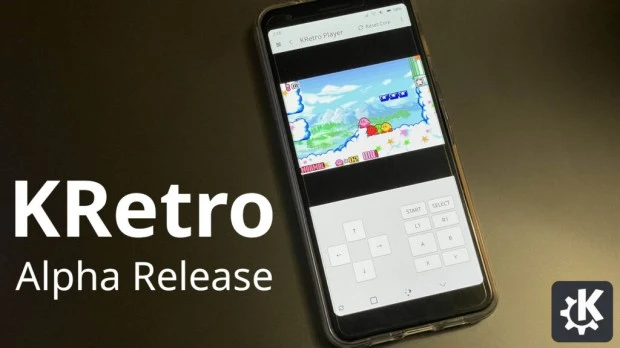
KRetro Frontend de emulación libretro para Plasma
Seshan Ravikumar lanzó una primera versión alfa de KRetro, un nuevo emulador de juegos basado en libretro. Puedes leer su anuncio aquí. [Esto es muy emocionante para los que nos gusta los videojuegos].
Aplicaciones de Chat
NeoChat Chat en Matrix
Joshua Goins corrigió que la sucesión de salas no funcionaba realmente (25.08.4 – enlace). Arno Rehn corrigió el manejo de encuestas cifradas y mensajes fijados (25.12.0 – enlace).
Navegadores
Falkon Navegador web
Juraj Oravec añadió un botón «Dis/Enable Adblock» al menú contextual de bloqueador de anuncios (25.12.0 – enlace).
Konqueror Gestor de archivos KDE y navegador web
Stefano Crocco corrigió algunos problemas con la barra de búsqueda (25.12.0 – enlace).
Aplicaciones del sistema
Dolphin Gestiona tus archivos
Kostiantyn Korchuhanov añadió la capacidad de ocultar archivos y carpetas desde el menú de contenido de Dolphin. (25.12.0 – enlace) Akseli Lahtinen añadió un separador al navegador cuando se usa fuera de la barra de menús. (25.12.0 – enlace) Jean-Baptiste Mardelle corrigió un error que hacía que el panel de vista previa de vídeo colapsara Dolphin al seleccionar un archivo de vídeo en algunos casos. (25.08.3 – enlace)
Journald Browser Navegador para bases de datos journald
Andreas Cord-Landwehr corrigió que la búsqueda sensible a mayúsculas no se aplicaba al navegar entre coincidencias resaltadas. (enlace)
Centro de Ayuda Navega y busca documentación
Carl Schwan (yo) cambió el nombre usado en Discover y apps.kde.org a Centro de Ayuda en lugar del antiguo nombre interno: KHelpCenter. (25.12.0 – enlace)
Aplicaciones de viaje
KDE Itinerary Asistente de viaje digital
Jonah Brüchert corrigió algunos problemas de rendimiento al mostrar los resultados de búsqueda para una conexión de tren/autobús. (enlace 1, enlace 2 y enlace 3) Carl Schwan (yo) movió la información de licencia sobre los componentes usados en Itinerary para usar la infraestructura estándar KAboutComponent. (enlace)
La entrada Esta semana en KDE Apps ha vuelto se publicó primero en KDE Blog.
DiraQ :O Linux de bolso para computação quântica

É com grande alegria que anuncio hoje o lançamento do DiraQ, uma distribuição Linux portátil baseada no openSUSE 15.6 — projetada especialmente para experimentação, ensino e pesquisa em computação quântica. O DiraQ roda diretamente de um pendrive, sem necessidade de modificar o disco rígido da máquina.
Por que o DiraQ existe?

A ideia do projeto nasceu da constatação de que muitos estudantes, pesquisadores e entusiastas de computação quântica esbarram em barreiras de infraestrutura: configurar ambientes complexos, instalar bibliotecas específicas, lidar com incompatibilidades etc. O DiraQ vem como uma alternativa prática e “plug-and-play”, permitindo que você inicie um ambiente completo para experimentação quântica em qualquer computador compatível, com apenas um pendrive.
Além disso, o DiraQ está intimamente ligado ao projeto LEONTI — o primeiro computador quântico fotônico de código aberto do Brasil atuando como seu sistema operacional oficial. Isso significa que o DiraQ vai além de ser “apenas mais uma distribuição” ele funciona como a ponte entre o hardware quântico fotônico e o mundo clássico de software.
Principais destaques
- Ambiente pré-configurado com bibliotecas e frameworks quânticos de ponta, como Cirq, PennyLane e Strawberry Fields.
- Robusto e portátil: basta gravar a imagem no pendrive e inicializar qualquer máquina compatível, sem tocar no restante do sistema operacional instalado.
- No futuro terá integração com API de alto nível para comunicação entre o DiraQ/LEONTI e aplicações externas, seja via Wi-Fi ou conexões físicas como USB.
- Licença aberta e espírito colaborativo: o projeto é pensado para que a comunidade participe, contribua e construa junto esse ecossistema.
Como começar a usar o DiraQ
- Baixe a imagem ISO do DiraQ (versão atual: 1.0.0) — a página oficial oferece links diretos para download. openSUSE
-
Grave no pendrive (mínimo recomendado: 4 GB) usando ferramentas como Etcher (Windows/macOS) ou comandos como
ddno Linux. openSUSE+1 - Inicialize o computador pelo pendrive — em alguns casos pode ser necessário ajustar a ordem de boot ou ativar suporte USB no BIOS/UEFI. openSUSE+1
- Explore o ambiente, execute simulações, escreva seus próprios circuitos ou integre com projetos quânticos.
Convite à comunidade: participe, colabore e compartilhe
O DiraQ foi idealizado por Wilson Fonseca e Alessandro “Cabelo” de Oliveira Faria, mas para que ele alcance seu verdadeiro potencial, é essencial que a comunidade científica, entusiastas e desenvolvedores façam parte.
Se você domina Python, quiser testar frameworks quânticos ou ajudar a documentar, tu tens um lugar garantido nesse projeto. Queremos tornar computação quântica mais acessível, e juntos podemos construir uma plataforma brasileira, aberta e robusta.

Decimonovena actualización de KDE Frameworks 6
Como los lectores habituales del blog sabrán, el 28 de febrero de 2024 la Comunidad KDE realizó un importante salto tecnológico, uno que va a marcar su evolución para los próximos años. Este gran cambio a las librerías Qt 6 nos proporcionó el nuevo escritorio Plasma 6, del que ya he hablado a lo largo de muchas entradas. Pero no solo fue eso, sino que además nos trajo el salto también a KDE Frameworks 6, las librerías propias del proyecto KDE. Ayer anunció la decimonovena actualización de KDE Frameworks 6, el motor del proyecto que soporta todo el resto de la infraestructura.
Decimonovena actualización de KDE Frameworks 6
A pesar de que para los usuarios corrientes esta noticia sea algo confusa ya que no se trata de realzar una nueva aplicación ni de una nueva gran funcionalidad del escritorio, el desarrollo de KDE Frameworks tiene repercusiones directas en él a medio y largo plazo.

Para los que no lo sepan, KDE Frameworks añade más de 70 librerías a la propias de Qt que proporcionan una gran variedad de funcionalidades necesarias y comunes, precisadas por los desarrolladores, testeadas por aplicaciones específicas y publicadas bajo licencias flexibles.
De esta forma, KDE Frameworks se convierte en la base de trabajo de los desarrolladores para realizar sus aplicaciones o sus desarrollos para los entornos de trabajo (escritorio para ordenadores, plasma mobile, etc).
Un buen símil es que KDE Frameworks es como el papel y las herramientas de dibujo para un artista: cuanto mejor sea el papel y mejores pinceles tenga, la creación de una artista será mejor.
Como he dicho, el pasado 28 de febrero de 2024 KDE Frameworks saltó de la versión 5 a la 6, y el pasado, 10 de octubre de 2025 fue anunciado que ya tenemos la decimonovena actualización de la rama, es decir, que ha sido lanzado KDE Frameworks 6.19 (aunque en honor a la verdad se ha puesto a disposición del público este domingo).
Hay que destacar que esta versión forma parte de una serie de versiones mensuales planificadas para poner las mejoras a disposición de los desarrolladores de forma rápida y previsible y que es absolutamente recomendable su actualización.
Aquí podéis encontrar un listado con todos estos frameworks y la serie de artículos que dedico a KDE Frameworks en el blog,
Más información: KDE
La entrada Decimonovena actualización de KDE Frameworks 6 se publicó primero en KDE Blog.
Memory Bank: Labels In HTML

What is the right way to label something in HTML?
This came up in something I was working on recently. I always forget the best practices for labeling so I wanted to write this blog post to help me remember… and as a quick reference when I inevitably forget 😉.
Default Accessible Names
Some elements provide a default accessible name that can be used by screen readers to provide a label for a given element. For example in a button the value between the open and close tags is the default accessible name.
<button>this is a close button</button>
Sometimes the default accessible name is inaccurate and a separate label needs to be provided to give users accurate context. In these situations labels can help.
Imagine if the button in the code above needed to have X as its text. This is not very informative to screen reader users and we need a better way to indicate what this button does. There are also many elements that do not have default accessible names, so we may need to provide labels for them as well.
Full post here: https://pureooze.com/blog/posts/2025-10-07-memory-bank-labels-in-html/
Memory Bank: Labels In HTML was originally published in Information & Technology on Medium, where people are continuing the conversation by highlighting and responding to this story.
Charla: ¿Qué es el Software Libre? en Castellón
Octubre es un mes con muchos eventos. Hoy me complace compartir con vosotros la charla: ¿Qué es el Software Libre? que se celebrará el 24 de octubre a las 18:00 en Castellón a las 18:00 en la sede de la CGT, Avinguda de La Vall d’Uixó, nº30, Entresol B.
Charla: ¿Qué es el Software Libre?
Me entero vía la Asociación GNU/Linux Valencia que se va a celebrar el siguiente evento muy cerca de mi casa:
Dins de les activitats de la Biblioteca Pilar Grangel Arrufat, el pròxim divendres 24 d’Octubre a les 18.00h, tindrem la xarrada “Què és el Programari Lliure?” a la seu del sindicat.
Coneix la tecnologia justa que t’ajuda amb la privacitat i l’anonimat digital.
Conceptes o drets tan universals com privacitat, anonimat, transparència, col·laboració, solidaritat, autogestió, llibertat, justícia o sobirania, aplicats a eines tecnològiques en els nostres entorns digitals, no són possibles sense la presència del programari lliure.
Aquesta és una xarrada per a tots els públics, sense necessitat de coneixements tècnics, on s’aprofundirà en el concepte del programari lliure i es donaran algunes alternatives a les habituals eines injustes que no respecten els nostres drets.
La xarrada serà realitzada per persones de l’Associació GNU/Linux València.
Entrada lliure per a tots els públics
Dentro de las actividades de la Biblioteca Pilar Grangel Arrufat, el próximo viernes 24 de octubre a las 18:00 h, tendremos la charla “¿Qué es el Software Libre?” en la sede del sindicato.
Conoce la tecnología justa que te ayuda con la privacidad y el anonimato digital.
Conceptos o derechos tan universales como privacidad, anonimato, transparencia, colaboración, solidaridad, autogestión, libertad, justicia o soberanía, aplicados a herramientas tecnológicas en nuestros entornos digitales, no son posibles sin la presencia del software libre.
Esta es una charla para todos los públicos, sin necesidad de conocimientos técnicos, en la que se profundizará en el concepto de software libre y se ofrecerán algunas alternativas a las habituales herramientas injustas que no respetan nuestros derechos.
La charla será realizada por personas de la Asociación GNU/Linux Valencia.
Entrada libre para todos los públicos.
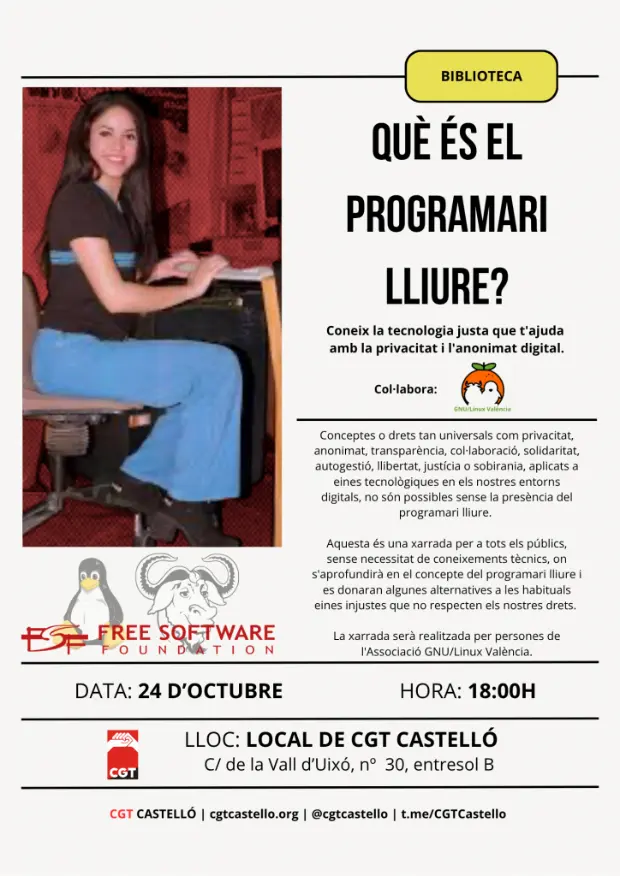
Los datos básicos del evento son:
- Día: 24 de octubre
- Hora: 18:00 horas
- Lugar: l’avinguda de La Vall d’Uixó, nº30, Entresol B, en Castelló de la Plana.
Creo que será una charla muy importante ahora que se acaba el soporte de Windows 10.
La entrada Charla: ¿Qué es el Software Libre? en Castellón se publicó primero en KDE Blog.
Segunda actualización de KDE ⚙️ Gear 25.08
La Comunidad KDE es una comunidad responsable y no solo se preocupa en lanzar novedades sino que también en mejorarlas. Me complace presentar, un poco tarde, la segunda actualización de KDE Gear 25.08 que apareció hace casi dos meses. Más estabilidad, mejores traducciones y pequeñas mejoras para las aplicaciones de nuestro entornos de trabajo.
Segunda actualización de KDE Gear 25.08
A pesar de lo que puedan pensar muchas personas, las aplicaciones no son perfectas. Entre las líneas de código se pueden colar errores de tipografía o que el usuario realice alguna opción que en un principio no estaba prevista por los desarrollador, por poner solo un par de ejemplos de imperfecciones.
Este no es un problema del Software Libre ya que el Software actual funciona de esta manera ya que no se piensa en él como un producto final que se encierra en una caja y se olvida. En la actualidad se sabe que el Software está vivo y sería estúpido ir guardando las mejoras sin dejarlas a disposición del gran público.
Con esto se gana en rapidez y evolución pero puede aumentar el número de errores (por norma general) leves, los cuales son subsanables con pequeñas actualizaciones.
La Comunidad KDE lo tiene claro: grandes lanzamientos cada cuatro meses y actualizaciones mensuales para subsanar errores.

Por ello me congratula compartir con vosotros la segunda actualización de KDE ⚙️ Gear 25.08 que nos ofrece más de 180 errores resueltos entre aplicaciones, librerías y widgets, algo que mejora el rendimiento del sistema.
Aquí podéis encontrar la lista completa de cambios de KDE Gear 25.08.2, pero por poner unos cuantos ejemplos de los errores que sea han resuelto tenemos:
- kdeconnect: Permitir teclas mayúsculas para la entrada del portal (Commit, corrige errores #483730, #489524 y #499121)
ksanecore: No falla cuando no existan la opción de origen o modo (Commit)
neochat: Enviar miniaturas al subir vídeos (Commit)
Más información: KDE Gear 25.08.02
La entrada Segunda actualización de KDE ⚙️ Gear 25.08 se publicó primero en KDE Blog.
Una gran cantidad de trabajo de estabilidad para Plasma 6.5 – Esta semana en Plasma
Es increíble el trabajo de promoción que está realizando Nate en su blog, desde hace más del tiempo que puedo recordar. Cada semana hace un resumen de las novedades más destacadas, pero no en forma de telegrama, sino de artículo completo. Su cita semanal no falla y voy a intentar hacer algo que es simple pero requiere constancia. Traducir sus artículos al castellano utilizando los magníficos traductores lo cual hará que la gente que no domine el inglés esté al día y que yo me entere bien de todo. Bienvenidos pues a «Una gran cantidad de trabajo de estabilidad para Plasma 6.5 – Esta semana en Plasma». Espero que os guste.
Una gran cantidad de trabajo de estabilidad para Plasma 6.5 – Esta semana en Plasma
Nota: artículo original en Blogs KDE. Traducción realizada utilizando Perplexity. Esta entrada está llena de novedades de la Comunidad KDE. Mis comentarios están entre corchetes.
¡Bienvenidos a un nuevo número de «Esta semana en Plasma»!
Esta semana se ha dedicado aún más trabajo para hacer de Plasma 6.5 la versión más estable y mejor hasta ahora. Aunque suelo decirlo mucho, cada vez siento que somos mejores en ello, y esta vez parece realmente cierto.
Nuestro equipo de triage de errores ha terminado prácticamente con la revisión del historial de informes de errores de Plasma, lo que les permite a ellos y a los desarrolladores centrarse en los problemas conocidos y solucionables. ¡Y los han solucionado! Esta semana se han corregido montones y montones de errores. Entre ellos estaban los accidentes #2 y #3 más frecuentes de Plasma, y también se identificó que el accidente #1 más común era causado por código de terceros.
Este tipo de trabajo concertado de corrección de errores puede que no sea el más glamuroso, pero marca una gran diferencia en la calidad general del producto.
Mejoras en la interfaz de usuario
Plasma 6.5
Ahora puedes activar los botones de Suspender, Apagar y Reiniciar (etc.) en Kickoff usando la tecla Enter además de la barra espaciadora. (Julius Zint, enlace) [Todo lo que sea «naturalizar» las acciones es bienvenido. Esto, además, facilita la usabilidad para personas que utilizan mayoritariamente el teclado].
Plasma 6.6.0
El tema de iconos Breeze ahora tiene versiones invertidas del icono “Enviar” (normalmente parece un pequeño avión de papel volando hacia la derecha), y los usa en notificaciones cuando se utiliza un idioma de derecha a izquierda, como árabe o hebreo. (Farid Abdelnour y Nate Graham, enlace) [Mejorando la inclusión].
Mejorada la aleatoriedad de los pases de diapositivas de fondos de pantalla ordenados aleatoriamente. (Sebastian Meyer, enlace) [Esto del azar en informática es algo complicado].
Corrección de errores importantes
Plasma 6.4.6
Corregido un problema que podía provocar que KWin fallara al intentar consultar el sensor de orientación de un dispositivo. (Xaver Hugl, enlace) [No tengo Plasma instalado en ningún dispositivo con estas características].
Corregido el segundo accidente más común en Plasma cuando se utilizaba el widget Weather Report con información de Environment Canada. (Ismael Asensio, enlace) [¡Ese es mi Isma!]
Solucionado un problema muy molesto que hacía que contenido gráfico vectorial copiado en apps como Inkscape y LibreOffice Draw se rasterizara innecesaria y destructivamente al pegarlo. (Fushan Wen, enlace) [Integrar aplicaciones Gtk en KDE es muy importante].
Arreglado un problema que provocaba que los colores de la pantalla no fueran correctos al reproducir vídeos HDR. (Xaver Hugl, enlace) [Veáse primer problema corregido].
Plasma 6.5.0
Solucionado un caso donde KWin podía fallar al arrastrar archivos o carpetas desde Dolphin. (Vlad Zahorodnii, enlace)
Corregido otro caso de fallo de KWin. (Vlad Zahorodnii, enlace)
Arreglado un fallo de Plasma al crear una nueva carpeta dentro de un submenú emergente de un widget Vista de Carpeta o de una carpeta en el escritorio. (Akseli Lahtinen, enlace)
Solucionado un fallo en la implementación de portal XDG de KDE. (David Redondo, enlace)
Corregido un problema que hacía que el texto copiado al portapapeles en una aplicación que usara XWayland se perdiera si cambiaba el foco inmediatamente después. (Vlad Zahorodnii, enlace) [Esto me pasaba, a ver si ahora ya me funciona correctamente].
Solucionado un fallo que impedía que la rotación automática de la pantalla funcionase correctamente. (David Edmundson, enlace)
Arreglado un problema que hacía parpadear aplicaciones usando XWayland en algunas pantallas con ciertas GPUs. (Xaver Hugl, enlace)
Corregida una situación extraña en la que el uso de CPU y memoria se disparaba tras buscar ciertas cosas con KRunner y pulsar la tecla Page Up. (Harald Sitter, enlace)
Al activar el inicio de sesión automático y aparecer un mensaje indicando que hay que cambiar la contraseña de la billetera para desbloquearla automáticamente, el botón vuelve a funcionar. (David Edmundson, enlace)
Solucionadas varias etiquetas que no mostraban texto localizado correctamente. (Nicolas Fella y Nate Graham, enlace 1 y enlace 2)
Arreglado un problema que hacía que los iconos del escritorio saltaran al mover un panel a otro borde de la pantalla. (Akseli Lahtinen, enlace)
Solucionado un fallo curioso que hacía que los paneles recién creados heredaran algunos valores de configuración del panel creado justo antes, en vez de usar los valores por defecto. (Fabian Vogt, enlace)
Arreglado un problema en el Monitor del Sistema que impedía volver a seleccionar columnas tras quitar la selección haciendo clic en el área vacía debajo de la tabla. (Arjen Hiemstra, enlace)
Frameworks 6.20
Arreglado el que era el tercer accidente más común en Plasma al cambiar temas. (Arjen Hiemstra, enlace)
Solucionado un problema que hacía que el icono de enlace externo se viera extraño en aplicaciones GTK usando el tema de iconos Breeze (David Redondo, enlace)
Otra información de errores destacables:
- 1 bug Plasma de muy alta prioridad (igual que la semana pasada). Lista actual de errores
- 29 fallos de Plasma de 15 minutos (uno más que la semana pasada). Lista actual de fallos
Mejoras de rendimiento y aspectos técnicos
Plasma 6.4.5
Se ha reducido notablemente el uso de CPU de KWin al reproducir vídeo a pantalla completa. (enlace)
Plasma 6.5.0
Mejorada la velocidad con la que Discover recupera información de Flatpak al arrancar, mejorando la respuesta y el tiempo de inicio en muchos casos. (Aleix Pol Gonzalez, enlace) [Siempre he dicho que tener la tienda de aplicaciones optimizada es muy importante para los nuevos usuarios].
La información sobre el tamaño del diálogo de selección de carpetas ahora se almacena en el archivo de configuración de estado y no en el de ajustes. Esto ayuda a que el archivo de configuración de ajustes no cambie por estados transitorios, facilitando el control de versiones. (Nicolas Fella, enlace)
Cómo puedes ayudar
KDE se ha convertido en algo importante en el mundo, y tu tiempo y contribuciones nos han ayudado a conseguirlo. A medida que crecemos, necesitamos su apoyo para mantener KDE sostenible.
Puedes ayudar a KDE convirtiéndote en un miembro activo de la comunidad e involucrándote de alguna manera. Cada colaborador marca una gran diferencia en KDE – ¡no eres un número o un engranaje en una máquina!
Tampoco tienes que ser programador. Existen muchas otras oportunidades:
- Clasificar y confirmar informes de errores, tal vez incluso identificar su causa raíz.
- Contribuir al diseño de fondos de pantalla, iconos e interfaces de aplicaciones.
- Diseñar y mantener sitios web
- Traducir elementos de texto de la interfaz de usuario a su propio idioma.
- Promover KDE en su comunidad local
- …¡Y un montón de cosas más!
¡También puedes ayudarnos haciendo una donación! Cualquier contribución monetaria – por pequeña que sea – nos ayudará a cubrir los costes operativos, salarios, gastos de viaje de los colaboradores, y en general a mantener KDE llevando el Software Libre al mundo.
Para obtener una nueva característica de Plasma o una corrección de errores mencionada aquí, siéntase libre de enviar un commit a la solicitud de fusión correspondiente en invent.kde.org.
La entrada Una gran cantidad de trabajo de estabilidad para Plasma 6.5 – Esta semana en Plasma se publicó primero en KDE Blog.
#openSUSE Tumbleweed revisión de la semana 41 de 2025
Tumbleweed es una distribución de GNU/Linux «Rolling Release» o de actualización contínua. Aquí puedes estar al tanto de las últimas novedades.

openSUSE Tumbleweed es la versión «rolling release» o de actualización continua de la distribución de GNU/Linux openSUSE.
Hagamos un repaso a las novedades que han llegado hasta los repositorios esta semana.
Y recuerda que puedes estar al tanto de las nuevas publicaciones de snapshots en esta web:
El anuncio original lo puedes leer en el blog de Dominique Leuenberger, publicado bajo licencia CC-by-sa, en este este enlace:
De momento esta semana se han vuelto a publicar 5 nuevas snapshots (1003, 1004, 1005, 1006, y 1007).
Las actualizaciones más destacadas de esta semana:
- GTK 4.20.2
- Reglas de polkit preparadas para systemd v258
- SDL 3.2.24
- Rust 1.90
- FreeRDP 3.17.2
- Apparmor 4.1.2
Y para próximas snapshots, ya se están preparando las siguientes actualizaciones:
- FFMpeg 8
- Linux kernel 6.17.1
- GIMP 3.0.6
- libxml2 2.14.5
- QEmu 10.1.1
- Ruby 3.4.7
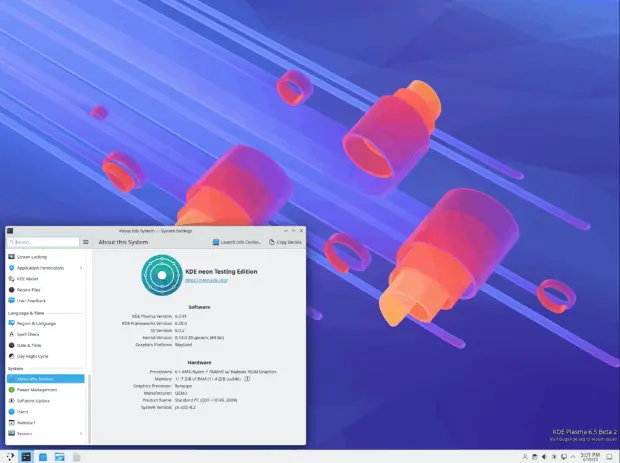
- KDE Plasma 6.5 (la beta 2 ya se está testeando)
- KDE Gear 25.08.2
- Qt 6.10.0
- GNOME 49.1
- util-linux 2.41.2
Si quieres estar a la última con software actualizado y probado utiliza openSUSE Tumbleweed la opción rolling release de la distribución de GNU/Linux openSUSE.
Mantente actualizado y ya sabes: Have a lot of fun!!
Enlaces de interés
- ¿Por qué deberías utilizar openSUSE Tumbleweed?
- zypper dup en Tumbleweed hace todo el trabajo al actualizar
- ¿Cual es el mejor comando para actualizar Tumbleweed?
- ¿Qué es el test openQA?
- http://download.opensuse.org/tumbleweed/iso/
- https://es.opensuse.org/Portal:Tumbleweed
——————————–
Tumbleweed – Review of the week 2025/41
Dear Tumbleweed users and hackers,
Week 41 started strong, with daily snapshots released, but unfortunately, we hit some roadblocks by the end of the week. A seemingly harmless rename of a snapper plugin caused quite some havoc in openQA, as SELinux was unaware of that change and consequently, a completely untrusted executable was blocked from messing around with the bootloader. Generally, exactly what we want – except in this case, it was an intentional rename of a file. The change has been retracted for now and will be given back to engineering.
Still, we managed to release five snapshots this week (1003, 1004, 1005, 1006, and 1007), containing these changes:
- GTK 4.20.2
- polkit rules prepared for systemd v258
- SDL 3.2.24
- Rust 1.90
- FreeRDP 3.17.2
- Apparmor 4.1.2
The next snapshots in the making will bring these changes:
- FFMpeg 8 by default
- Linux kernel 6.17.1
- GIMP 3.0.6
- libxml2 2.14.5
- QEmu 10.1.1
- Ruby 3.4.7
- KDE Plasma 6.5 (beta 2 is staged, being tested)
- KDE Gear 25.08.2
- Qt 6.10.0
- GNOME 49.1
- util-linux 2.41.2
Fiestas por el 29 aniversario KDE
Como ya sabréis, el 14 de octubre es una fecha especial para la Comunidad KDE y siempre intentamos celebrar. Por ello se están organizando eventos presenciales para celebrarlo, en otras palabras, fiestas por el 29 aniversario KDE. ¿Te interesaría estar con gente involucrada con el proyecto? Sigue leyendo.
Fiestas por el 28 aniversario KDE
Está volviendo a ser costumbre, un año más la Comunidad KDE decide que es un buen momento para reunirse de forma local para celebrar que su proyecto cumple años. Se hizo un gran evento por el 25 aniversario, saliendo de la pandemia, y se ha ido replicando con otras excusas, como el megalanzamiento de Plasma 6, el 28 aniversario y este año se repite para el 29, una forma de mantener la inercia para el año que viene, que celebramos nuestra tercera década.
Es hora de retomar la sana costumbre de reunirnos y ya hay programadas algunas. De momento, se tienen previstas las siguientes actividades:
Como veis, en España ya tenemos una pero esperamos que alguien se anime, así que estad atentos. A ver si los clásicos de Valencia, Barcelona o A Coruña dan el paso. Y por cierto, si se hace un poco más tarde, no hay problema.
Más información: KDE
Nacimiento del proyecto KDE
En la mesa que podemos ver en la imagen inferior Matthias Ettrich y Martin Konold hablaron sobre la creación de un proyecto que iba a ser parte fundamental del Software Libre y de la vida de cientos de desarrolladores.

Un poco más tarde, Mattias redactó y envió un 14 de octubre de 1996 el correo electrónico que a anunciaba el nacimiento de KDE y pidiendo desarrolladores que se involucraran en él. Seguidamente, creó la primera lista de correo del Proyecto KDE, que fue la principal vía de comunicación de los desarrolladores durante un tiempo.
Desde entonces ha llovido mucho. Y KDE ha pasado ser «The Kool Desktop Environment (KDE)» a ser una Comunidad donde tienen cabida todo tipo de personas con todo tipo de talentos, y no todos necesariamente ligados con la programación.
La entrada Fiestas por el 29 aniversario KDE se publicó primero en KDE Blog.