
 Member
 baltolkien
Sostenibilidad y software/hardware libre por Alien en Kockatoo tube #akademyes 2023
Poco a poco, a basa de ir escribiendo estos artículos se me están quedando en la memoria el nombre del canal propio de vídeos de la Comunidad KDE. Seguro que cuando lo logro se cambia. Lo cierto es que Kockatoo tube, nombre elegido para su canal de Peertube de KDE, no es el más simple del mundo pero eso no significa que no debamos hacer un esfuerzo por familiarizarnos con él. Por mi parte he pensado que la forma de hacerlo será escribir mucho sobre él al tiempo que promociono algo más la edición de Akademy-es 2023 de Málaga. De esta forma bienvenidos a la charla grabada de «Sostenibilidad y software/hardware libre» por Alien en el canal de #akademyes 2023″ Opensouthcode Edition.
Sostenibilidad y software/hardware libre por Alien en Kockatoo tube #akademyes 2023
Antes de empezar alguien se puede preguntar porqué no utilizar solo Youtube para compartir contenido multimedia. La respuesta es muy simple: para evitar que esta plataforma que pertence a a Google tenga el control de todo contenido multimedia de la Comunidad KDE.
Para evitarlos se ha creado Kocaktoo tube, simplemente una alternativa libre de youtube, donde se cuelgan por defecto los vídeos de KDE pero no de forma exclusiva ya que si se puede se suben también a la plataforma con más usuarios (hay que pescar donde hay peces).

Como la gente asidua al blog sabrá, el pasado 9 y 10 de junio de 2023 la asociación KDE España celebró en Málaga su Akademy-es 2023 integrada en el evento marco Opensouthcode. Fruto de ella se realizaron una serie de charlas, las cuales fueron grabadas en su gran mayoría y subidas al Kocaktoo tube de KDE España. Aunque ya las he presentado en el blog creo que es positivo compartis con vosotros todas las que pueda.
De esta forma sigo esta serie con la charla «Sostenibilidad y software/hardware libre» de Alien en el canal de #akademyes 2023″ esLibre Edition en el Kockatoo Tube de KDE España. Espero que las disfrutéis.
Más información: Kockatoo Tube de KDE España
Canal de Peertube de KDE: Kockatoo Tube
Para los que no conozcan este servicio, os presento (y me sirve a mi para seguir conociéndolo más a fondo) PeerTube, desarrollado por Framasoft, es la alternativa gratuita y descentralizada a las plataformas de video, que le brinda más de 400000 vídeos publicados por 60000 usuarios y vistos más de 15 millones de veces.
Hace poco, la asociación GNU/Linux València anunció que empezaba a utilizar este servicio, poco tiempo después, anuncié que KDE España también empezaba a utilizar este servicio. Lo que no dije es que esta instancia de Peertube en realidad estaba siendo alojada en una mayor de la Comunidad KDE: Kockatoo.

De esta forma, en este instancia de KDE podemos encontrar todo tipo de vídeos, desde los de KDE España que ya he comentado hasta los vídeos de Niccolò Ve pasando por anuncios de lanzamiento como el último de Plasma 5.23, edición 25 aniversario.
La entrada Sostenibilidad y software/hardware libre por Alien en Kockatoo tube #akademyes 2023 se publicó primero en KDE Blog.
openSUSE.Asia Summit 2024 開催のお知らせ

このページは news.opensuse.org の Invitation to openSUSE Asia Summit 2024 Tokyo Japan の翻訳です。
openSUSE.Asia Summit とは?
openSUSE Project は openSUSE.Asia Summit 2024 を日本の東京で開催することをお知らせします。openSUSE.Asia Summit は openSUSE ユーザーと貢献者、そして FLOSS 熱狂者のための年次カンファレンスです。これまでのサミットでは、主にインドネシア、中国、台湾、日本、韓国、インドから参加者を集めてきました。
2014年に最初の openSUSE.Asia Summit が北京で開催されてから、openSUSE.Asia Summit はオンラインでつながったコミュニティが、対面で集まり、お互いを知り、openSUSE やその上で動作するアプリケーションについての知識と経験を共有する重要な機会でした。しかしながら、COVID-19 により、3年の間、これが難しい状況が続きました。今年のサミットのゴールの1つは、コミュニケーションのための場所を提供することです。そのため、今年はビデオ会議による発表を受け入れないことを予めご了承下さい。
開催日
openSUSE.Asia Summit は11月2日と3日に行われます。また、発表者向けのエクスカーションを11月4日に予定していますが、後日ご案内予定です。
サミットの直前には、The Linux Foundationによる Open Source Summit Japan と Open Compliance Summit が開催されています。合わせて参加してみてはいかがでしょうか?
Cross-Distro トラック
Cross Distro Developers Camp (XDDC) の協力で、Cross-Distro トラックを開催します。XDDCは openSUSE、Debian、Ubuntu を含む、FLOSS OSディストリビューション横断の開発者コミュニティで、特に日本語に関する共通の問題を解決するために活動しています。今年の openSUSE.Asia Summit では、他のディストリビューションのコミュニティから発表者と参加者を集める予定です。これはイベントをより盛り上げることにつながるだけではなく、openSUSEとコミュニティがどのようであるかを知ってもらう良い機会になるでしょう。
会場
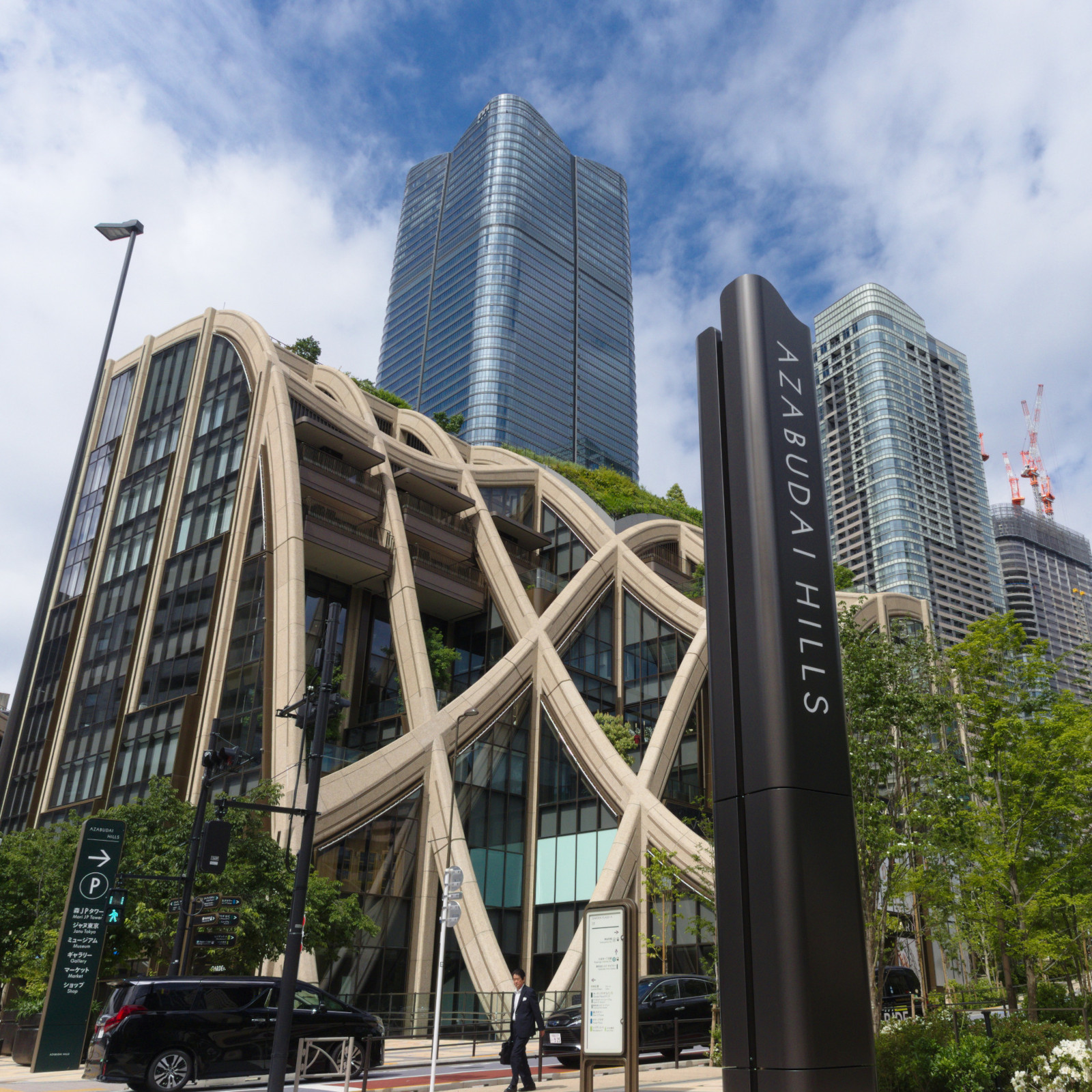
openSUSE Asia Summit 2024は、東京都港区の麻布台ヒルズに本社を置く、株式会社SHIFTで開催されます。株式会社SHIFTは、お客様の売れるソフトウェアサービス/製品づくりを支援し、お客様のビジネスの成長をサポートするIT企業です。金融機関などのエンタープライズ領域におけるミッションクリティカルな基幹システムから、ECサイト、スマートフォン向けのアプリ・ゲーム検証まで幅広い分野のお客様に対するテスト・品質保証サービスで事業基盤をつくり、現在は、ビジネスの構築からシステ厶の企画、開発、運用、セキュリティやマーケティング領域、さらにはDX推進まで、お客様のITにまつわるあらゆるビジネス課題の解決をご支援しています。
麻布台ヒルズは2023年11月に竣工した大規模再開発プロジェクトです。このエリアにはオフィス、住居、商業施設、文化施設があり、最新の観光スポットとして注目されています。羽田空港や首都圏のどのエリアからも公共交通機関で簡単にアクセスできます。
東京と日本

東京は日本の首都です。東京のインフラと国際的な接続性により、参加者は容易に渡航することができます。アジア太平洋地域、ヨーロッパ、北アメリカの主要都市から、羽田空港または成田空港のいずれかの空港に直行便があります。東京は独特の文化、食べ物などで観光地としても人気があります。特にゲーム、アニメ、漫画のキャラクターは近年では国際的に一般的になっており、観光客を日本に引き寄せています。東京では簡単にキャラクターショップを見つけることができ、好きな作品のグッズを手に入れることができるでしょう。
東京は独特の文化、食べ物などで観光地としても人気があります。特にゲーム、アニメ、漫画のキャラクターは近年では国際的に一般的になっており、観光客を日本に引き寄せています。東京では簡単にキャラクターショップを見つけることができ、好きな作品のグッズを手に入れることができるでしょう。
外国からの旅行者は昨年、COVID-19 前のレベルまで回復しています。為替レートの影響もあり、今はお金を節約しつつ日本への旅行を楽しむことができる大きなチャンスです。
しかしながら、もし少しでも openSUSE.Asia Summit に参加する可能性がある場合は、すぐに、キャンセル可能なプランでホテルを予約することをおすすめします。今回の推奨ホテルのいくつかは5ヶ月前(6月1日)から予約を受け付けています。11月4日は日本では祝日にあたるため、ビジネスホテルの部屋はすぐに売り切れることが予想されています。予約できなかった場合は、異常に高額な費用を払う必要が発生することになり、旅費補助プログラムで賄うことができなくなる可能性があります。
東京と日本の観光情報については、次のウェブサイトもチェックして下さい
- GO TOKYO (Tokyo Convention & Visitors Bureau)
- Travel Japan (Japan National Tourism Organization)
- Japan Guide
発表者募集
発表者募集は6月から開始します。news.opensuse.org に投稿した別の投稿を確認して下さい。
最後に
openSUSE.Asia Summit はopenSUSE コミュニティが集まる重要な機会です。参加者は開催期間中に東京での滞在を楽しむことができるでしょう。
11月に東京でお会いできることを楽しみにしています。
Have a lot of fun!
Tercera actualización de KDE Frameworks 6
Como los lectores habituales del blog sabrán, el pasado 28 de febrero la Comunidad KDE realizó un importante salto tecnológico, uno que va a marcar su evolución para los próximos años. Este gran cambio a las librerías Qt 6 nos proporcionó el nuevo escritorio Plasma 6, del que ya he hablado a lo largo de muchas entradas de marzo, y el ecosistema de aplicaciones KDE Gear 24.02, del cual desgrané a lo largo del pasado mes de abril. Pero no solo fue eso, sino que además nos trajo el salto también a KDE Frameworks 6, las librerías propias del proyecto KDE. Tantas noticias han aparecido de los anteriores proyectos que no he tenido tiempo todavía de hablar de esto, y lo hago hoy dado que ayer se anunció la tercera actualización de KDE Frameworks 6. Es el momento de dar su parte de protagonismo.
Tercera actualización de KDE Frameworks 6
A pesar de que para los usuarios corrientes esta noticia sea algo confusa ya que no se trata de realzar una nueva aplicación ni de una nueva gran funcionalidad del escritorio, el desarrollo de KDE Frameworks tiene repercusiones directas en él a medio y largo plazo.

Para los que no lo sepan, KDE Frameworks añade más de 83 librerías a la propias de Qt que proporcionan una gran variedad de funcionalidades necesarias y comunes, precisadas por los desarrolladores, testeadas por aplicaciones específicas y publicadas bajo licencias flexibles.
De esta forma, KDE Frameworks se convierte en la base de trabajo de los desarrolladores para realizar sus aplicaciones o sus desarrollos para los entornos de trabajo (escritorio para ordenadores, plasma mobile, etc).
Un buen símil es que KDE Framworks es como el papel y las herramientas de dibujo para un artista: cuanto mejor sea el papel y mejores pinceles tenga, la creación de una artista será mejor.
Como he dicho, el pasado 28 de febrero KDE Frameworks saltó de la versión 5 a la 6, y ha sido ayer viernes 7 de junio cuando se ha anunciado que ya tenemos la tercera actualización de la rama, es decir, que ha sido lanzado KDE Frameworks 6.3.
Hay que destacar que esta versión forma parte de una serie de versiones mensuales planificadas para poner las mejoras a disposición de los desarrolladores de forma rápida y previsible y que es absolutamente recomendable su actualización.
Aquí podéis encontrar un listado con todos estos frameworks y la serie de artículos que dedico a KDE Frameworks en el blog,
Más información: KDE
La entrada Tercera actualización de KDE Frameworks 6 se publicó primero en KDE Blog.
#openSUSE Tumbleweed revisión de las semanas 22 y 23 de 2024
Tumbleweed es una distribución de GNU/Linux «Rolling Release» o de actualización contínua. Aquí puedes estar al tanto de las últimas novedades.

openSUSE Tumbleweed es la versión «rolling release» o de actualización continua de la distribución de GNU/Linux openSUSE.
Hagamos un repaso a las novedades que han llegado hasta los repositorios esta semana.
Y recuerda que puedes estar al tanto de las nuevas publicaciones de snapshots en esta web:
El anuncio original lo puedes leer en el blog de Dominique Leuenberger, publicado bajo licencia CC-by-sa, en este este enlace:
Durante las últimas dos semanas, se han publicado 4 snapshots. Algunos cambios en AppArmor 4.0 hicieron que hubiera que retener algunas snapshots hasta que se solucionara, algunos problemas relacionados con systemd 255.7 y, por supuesto, también las vacaciones que muchas se prolongaron durante un fin de semana, lo que resultó en que se enviaran menos instantáneas al control de calidad para su prueba.
Las cuatro snapshots publicadas fueron 0524, 0531, 0605 y 0606)
Los cambios más relevantes que han traído estas snapshots son:
- Mesa 24.0.8
- Mozilla Firefox 126.0.1
- KDE Gear 24.05.0
- KDE Plasma 6.0.5
- AppArmor 4.0.1
- cURL 8.8.0
- GNOME 46.2
- Qt 5.15.14 & 6.7.1
- Qemu 9.0.0
- Samba 4.20.1
- SQLite 3.46.0
- systemd 255.7
- Python requests 2.32.2
- ICU 75.1
- libvirt 10.4.0
Y como siempre muchas más actualizaciones están preparándose para próximas snapshots:
- CMake 3.29.4
- python setuptools 70.0
- LibreOffice 24.2.4
- Pytest 8.2
- dbus-broker
- GCC 14
Si quieres estar a la última con software actualizado y probado utiliza openSUSE Tumbleweed la opción rolling release de la distribución de GNU/Linux openSUSE.
Mantente actualizado y ya sabes: Have a lot of fun!!
Enlaces de interés
- ¿Por qué deberías utilizar openSUSE Tumbleweed?
- zypper dup en Tumbleweed hace todo el trabajo al actualizar
- ¿Cual es el mejor comando para actualizar Tumbleweed?
- ¿Qué es el test openQA?
- http://download.opensuse.org/tumbleweed/iso/
- https://es.opensuse.org/Portal:Tumbleweed

——————————–
openSUSE Tumbleweed – Review of the weeks 2024/22 & 23
Dear Tumbleweed users and hackers,
The time of the holidays is coming to an end and, at least until my next vacation, I should be able to keep up with weekly reports again. Of course, I am not complaining about having holidays and days off – sometimes stepping away from the computer and doing something unrelated is just the right thing to do (and often leads to good and new ideas). But that means you had to wait an extra week to learn again about all the things going on in openSUSE Tumbleweed. So here we go: during the last two weeks, we have released 4 snapshots. Some changes around AppArmor 4.0 made us hold back a few snapshots, some issues around systemd 255.7, and of course also the holiday which many stretched over a weekend resulting in fewer snapshots even being submitted to QA for testing. The four snapshots published were 0524, 0531, 0605, and 0606)
The most relevant, cumulated changes of those snapshots were:
- Mesa 24.0.8
- Mozilla Firefox 126.0.1
- KDE Gear 24.05.0
- KDE Plasma 6.0.5
- AppArmor 4.0.1
- cURL 8.8.0
- GNOME 46.2
- Qt 5.15.14 & 6.7.1
- Qemu 9.0.0
- Samba 4.20.1
- SQLite 3.46.0
- systemd 255.7
- Python requests 2.32.2
- ICU 75.1
- libvirt 10.4.0
The upcoming snapshots should soon bring us those changes:
- CMake 3.29.4
- python setuptools 70.0
- LibreOffice 24.2.4
- Pytest 8.2
- dbus-broker: some networking issue after upgrades left to work out
- GCC 14: phase 2: use gcc14 as the default compiler – lots of help needed: https://build.opensuse.org/project/show/openSUSE:Factory:Staging:Gcc7
Programa Ujilliurex 2024, «LliureX como herramienta de innovación educativa»
Ujilliurex es un evento que se celebra en la Universidad Jaume I de Castellón y que ya tiene a sus espaldas una buena cantidad de ediciones ya que ni con la pandemia cesaron su actividad. Hoy quiero seguir la promoción presentando el programa Ujilliurex 2024, «LliureX com a eina d’innovació educativa, un evento que busca de difundir más el Software Libre entre la Comunidad Docente
Programa Ujilliurex 2024, «LliureX como herramienta de innovación educativa»
La conversión de eventos presenciales a virtuales fue una constante este últimos años. Ujilliurex no fue la excepción en su edición de 2020 y del 2021, pero gracias a la aparición de las vacunas y al control que tenemos del COVID 19 volvió a ser presencial en la edición del 2022 y 2023.
De hecho, creo que fue la «maldición » del COVID lo que hizo que un servidor se hiciera un ponente habitual de este evento ya que por razones horarias y escolares nunca podía asistir al mismo.
Este 2024 se vuelve a realizar y viene cargado de interesantes ponencias. La fecha en concreto será el 12 de junio y lleva como lema principal: «LliureX como herramienta de innovación educativa».

Desde hace un tiempo que tenemos a nuestra disposición el programa de ponencias, una densa jornada donde centrados en LLiurex se darán trucos de para su escritorio, hablaremos de accesibilidad, miraremos aplicaciones educativas, etc. Pero mejor leer el programa completo.
09:30 10:00 Recogida de las credenciales
10:00 10:30 Apertura de la Jornada
10:30 11:30 LLiurex: Estado actual y visión de futuro – Sofia Bellés Ramos, Miguel Ángel Juan López, Héctor Garcia Huerta, Víctor Manuel Alonso Barberán, Cristian Jorge Garcia Marcos
11:30 12:00 Pausa café
12:00 12:30 Skills Olimpiadas de la FP – Noelia Ángel
12:30 13:00 Formación Professional – David Montalvà
13:00 13:45 Las 3 A de LliureX: acceso al equipo, acceso a las WIFI corporativas y accessibilidad – Raúl Rodrigo Segura, Enrique Medina Gremaldos, Juan Manuel Navarro Mañez
13:45 14:30 Appsedu – Aplicaciones Educativas e Identidad Digital – José Salvador Mira Gregori
14:30 16:00 Comica – Cafeteria de la Facultat
16:00 16:30 Biblioedu – Cristian Jorge Garcia Marcos
16:30 17:00 Exprime KRunner – Tàfol Nebot
17:00 17:30 LliureX en Bocairent IV – Eduardo Millán
17:30 18:00 Descanso
18:00 18:30 Trucos del escritorio Lliurex y aplicaciones educativas KDE – Baltasar Ortega
18:30 19:00 Una mirada sobre la competencia digital del alumnado – Ana Navarro Ponce
Más información: Programa | Ponencias Ujilliurex 2024
¿Qué es Ujilliurex?
Se trata de un evento que tiene bastante solera en la provincia de Castellón en el que teniendo como protagonista la distribución de la Generalitat Valenciana Lliurex se presentan novedades sobre ésta y sobre otros proyectos libres.
Concretamente sus objetivos fundamentales son:
- Difundir el uso y manejo de las TIC en la distribución LliureX entre la comunidad educativa universitaria
- Promover la coordinación, el intercambio y la discusión de conocimientos y experiencias entre profesores universitarios, especialmente de los departamentos con una mayor implicación tanto en la parte educativa de los futuros docentes (Depto. Educación), como posibles usuarios de Lliurex como herramienta en su especialidad (Depto. de Traducción e Interpretación y Depto. de Estudios Ingleses), con docentes de centros educativos de la comunidad valenciana, especialmente de los departamentos de idiomas y Coordinadores de Tecnologías de la Información (Coordinadores TIC).
- Compartir conocimiento y debatir sobre el contenido de la distribución y la utilización de diversas aplicaciones de la distribución
- Iniciar una serie de contactos entre las entidades organizadoras de la jornada y los asistentes de los diferentes centros y departamentos.
La entrada Programa Ujilliurex 2024, «LliureX como herramienta de innovación educativa» se publicó primero en KDE Blog.

openSUSE Community Readies for Release Party
Members of openSUSE Project are excited about the launch of Leap 15.6 on June 12 and encourages people to host a Release Party.
If you don’t know how to do this, there is a list of steps below on how to have a successful release party.
If you’re interested in hosting your own Release Party, there’s a handy checklist to help you plan a successful event:
- Find a Date: A weekend date is usually best, but flexibility is key. Find a common date that works for most people.
- Find a Place: A café, bar, or Linux group meetup location works great. Whether you opt for a coffee and cake party or a beer and pizza gathering, the key is to have fun.
- Cake: While not essential, a cake adds to the celebration. You can also bake openSUSE cookies.
- Pictures: Capture the moment with photos or videos and share them on social media. Tag openSUSE on X, Facebook, Mastodon, BlueSky or more.
There is already a plan to have peoole to meet virtually in the openSUSE Bar for the launch June 12. The virtual release party will feature members of the release team and community members. Join sometime on June 12 as participants from various countries are encouraged to join and interact with the openSUSE community.
Some will celebration the event in Nuremberg. Certainly people at the openSUSE Conference will highlight the release during the BBQ/Release Party.
These launch parties provide a chance for the community to connect with the people behind the project and to show an appreciation for contributors who make the release of Leap 15.6 possible. It’s an excellent opportunity for the community to gather, celebrate and discuss the new release after months of development.
Schedule your release party today on the wiki and have a lot of fun!
(Image made with DALL-E)
Calendario original para tu escritorio, Almanac Asimetric – Plasmoides para Plasma 6 (2)
ir
Tras un parón debido al salto de Qt5/KF5 a Qt6/KF6 que realizó la Comunidad KDE el pasado 28 de febrero he decidido retomar esta sección aunque renonbrándola ya que en ella solo hablaré de Plasmoides para Plasma 6. De esta forma os presento un calendario original paa tu escritorio llamado Almanac Asimetric, el segundo plasmoide de esta nueva sección que tiene muy buena pinta.
Calendario original para tu escritorio, Almanac Asimetric – Plasmoides para Plasma 6 (2)
Como he comentado en otras ocasiones, de plasmoides tenemos de todo tipo funcionales, de configuración, de comportamiento, de decoración o, como no podía ser de otra forma, de información sobre nuestro sistema como puede ser el uso de disco duro, o de memoria RAM, la temperatura o la carga de uso de nuestras CPUs.
Así que espero que le deis la bienvenida a un plasmoide creado por un viejo conocido del blog ZayronXIO que recibe el nombre de Almanac Asimetric y que nos ofrece una original forma de mostrar el calendario en nuestro fondo de pantalla ya que combina escritura horizontal para el número de día y el mes, y vertical para el día de la semana.

Y como siempre digo, si os gusta el plasmoide podéis «pagarlo» de muchas formas en la página de KDE Store, que estoy seguro que el desarrollador lo agradecerá: puntúale positivamente, hazle un comentario en la página o realiza una donación. Ayudar al desarrollo del Software Libre también se hace simplemente dando las gracias, ayuda mucho más de lo que os podéis imaginar, recordad la campaña I love Free Software Day de la Free Software Foundation donde se nos recordaba esta forma tan sencilla de colaborar con el gran proyecto del Software Libre y que en el blog dedicamos un artículo.
¿Qué son los plasmoides?
Para los no iniciados en el blog, quizás la palabra plasmoide le suene un poco rara pero no es mas que el nombre que reciben los widgets para el escritorio Plasma de KDE.
En otras palabras, los plasmoides no son más que pequeñas aplicaciones que puestas sobre el escritorio o sobre una de las barras de tareas del mismo aumentan las funcionalidades del mismo o simplemente lo decoran.
La entrada Calendario original para tu escritorio, Almanac Asimetric – Plasmoides para Plasma 6 (2) se publicó primero en KDE Blog.

Hardware failure on IPFire | Blathering
Introducción a Obsidian + Montar un Asistente Inteligente de tus datos en local en Linux Center València
Vuelven las charlas y talleres a Linux Center València, el espacio creado por Slimbook para la divulgación del Software Libre . De esta forma me complace compartir una sesión dual: Introducción a Obsidian + Montar un Asistente Inteligente de tus datos en local en Linux Center València. ¡No te lo pierdas!
Introducción a Obsidian + Montar un Asistente Inteligente de tus datos en local en Linux Center València
Ya es un clásico del blog hablar de la compañía valenciana de ensamblaje de dispositivos compatibles 100% con el Software Libre conocida como Slimbook. Tras su primera charla en octubre que inició esta nueva temporada de eventos vuelven a promocionar el Software Libre mediante actividades comunitarias que realizan en su Linux Center.

De esta forma el próximo sábado 8 de junio vamos a poder disfrutar de una sesión doble de talleres en la sede de Slimbook.
Por un lado tendremos Introducción a Obsidian, una charla a cargo de Borja López, organizador y dinamizador de comunidades tecnológicas de Valencia (WordPress y PrestaShop son dos ejemplos de ello), y consultor y desarrollador de proyectos online basados en WordPress.

Este taller está diseñado para familiarizarte con la herramienta de productividad y gestión de conocimiento llamada Obsidian. Aprenderás cómo crear y organizar notas, vincular ideas, utilizar etiquetas y aprovechar las funciones avanzadas de esta aplicación. Ideal para aquellos interesados en mejorar su flujo de trabajo personal o colaborativo
El segundo taller lleva por título Montar un Asistente Inteligente de tus datos en local y corre a cargo de Manuel S. Lemos, organizador de la comunidad WordPress Valencia (WP-Valencia), titulado como Técnico Superior en Desarrollo de Software, cuenta con dilatada experiencia en desarrollo y programación.

En este taller, aprenderás a configurar y ejecutar un asistente de chat basado en inteligencia artificial en tu propio ordenador. A diferencia de los asistentes alojados en servidores externos, este funcionará localmente, lo que significa que tus datos no se enviarán a ningún servidor remoto. Usaremos la información que hay en Obsidian para personalizarlo con tu conocimiento.
Los talleres son presenciales, por tanto no se va a retransmitir por streaming pero se colgará un resumen del curso en el canal de Youtube, varias semanas después del evento.
La información adicional que necesitas es esta:
Plazas Total: 20 (corre que suelen agotarse)
¿Curso Gratuito o de Pago?: GRATUITO gracias a SLIMBOOK y a Borja y Manuel.
Duración del evento: 4h + Preguntas y respuestas
¿Podemos retransmitirlo via streaming?: No
Localización: Linux Center (Grupo Odín). Ronda de la Química s/n Edificio ABM L’Andana, 7ª planta Frente a Parque Técnológico 46980 Paterna, Valencia
Más información: Linux Center
La entrada Introducción a Obsidian + Montar un Asistente Inteligente de tus datos en local en Linux Center València se publicó primero en KDE Blog.