
 Member
 Diamond_gr
Εξερευνώντας τη δύναμη του openSUSE MicroOS: Μια επαναστατική διανομή Linux

Αποδοτικές ατομικές ενημερώσεις
Το openSUSE MicroOS διακρίνεται για το μοντέλο ατομικών ενημερώσεων, εξασφαλίζοντας συνεκτικές και αξιόπιστες ενημερώσεις χωρίς να διαταράσσονται οι εφαρμογές που εκτελούνται. Χρησιμοποιώντας τη λειτουργία transactional updates, το λειτουργικό σύστημα εφαρμόζει αυτόματα τις ενημερώσεις ως ενιαία μονάδα, εξαλείφοντας τις πολυπλοκότητες που σχετίζονται με τους παραδοσιακούς μηχανισμούς ενημέρωσης. Η προσέγγιση αυτή μειώνει σημαντικά τον κίνδυνο αποτυχιών του συστήματος που προκαλούνται από μερικές ενημερώσεις και απλοποιεί τη διαδικασία επαναφοράς σε περίπτωση τυχόν προβλημάτων.Αμετάβλητο σύστημα αρχείων
Στην καρδιά του openSUSE MicroOS βρίσκεται ένα αμετάβλητο σύστημα αρχείων root μόνο για ανάγνωση. Με την υιοθέτηση ενός αμετάβλητου σχεδιασμού, το λειτουργικό σύστημα διασφαλίζει ότι τα βασικά στοιχεία του συστήματος παραμένουν αναλλοίωτα, ενισχύοντας τη σταθερότητα και την ασφάλεια. Οποιεσδήποτε τροποποιήσεις ή εγκαταστάσεις αποθηκεύονται σε container και αποθηκεύονται σε ξεχωριστά στιγμιότυπα με δυνατότητα εγγραφής, τα οποία μπορούν εύκολα να απορριφθούν ή να ανακληθούν αν χρειαστεί. Αυτή η προσέγγιση επιτρέπει επίσης καλύτερη αναπαραγωγιμότητα και εγγυάται ότι το σύστημα παραμένει σε γνωστή και προβλέψιμη κατάσταση.Εστίαση σε container
Το openSUSE MicroOS έχει σχεδιαστεί με μια νοοτροπία που είναι πρώτα από τα container. Ενσωματώνεται καλά με τεχνολογίες container όπως το Docker και το Kubernetes, παρέχοντας μια απρόσκοπτη εμπειρία για προγραμματιστές και διαχειριστές. Με το βελτιστοποιημένο σύστημα του host, το openSUSE MicroOS προσφέρει ελάχιστο αποτύπωμα, μειώνοντας την επιφάνεια επίθεσης και βελτιστοποιώντας τη χρήση των πόρων. Επιπλέον, η ενσωμάτωσή του με πλατφόρμες ενορχήστρωσης container επιτρέπει την αποτελεσματική κλιμάκωση, εξισορρόπηση φορτίου και διαχείριση εφαρμογών με container.Ενισχυμένη ασφάλεια και απομόνωση
Η ασφάλεια αποτελεί πρωταρχικό μέλημα στα σύγχρονα υπολογιστικά περιβάλλοντα. Το openSUSE MicroOS ενσωματώνει διάφορα χαρακτηριστικά για να διασφαλίσει ισχυρή ασφάλεια και απομόνωση για τα φορτία εργασίας που βασίζονται σε container. Χρησιμοποιώντας τεχνολογίες όπως το SELinux και το AppArmor, το λειτουργικό σύστημα επιβάλλει αυστηρούς ελέγχους πρόσβασης και απομονώνει τα container, αποτρέποντας τη μη εξουσιοδοτημένη πρόσβαση και μειώνοντας τον αντίκτυπο των πιθανών ευπαθειών. Επιπλέον, το μοντέλο ατομικής ενημέρωσης διασφαλίζει την άμεση εφαρμογή των επιδιορθώσεων ασφαλείας, ελαχιστοποιώντας το παράθυρο έκθεσης σε γνωστές ευπάθειες.Ευκολία διαχείρισης
Το openSUSE MicroOS προσφέρει μια βελτιωμένη και διαισθητική εμπειρία διαχείρισης. Με εργαλεία οι διαχειριστές μπορούν να διαχειρίζονται εύκολα τις ενημερώσεις, τις επαναφορές και τη διαχείριση στιγμιότυπων, διασφαλίζοντας τη συνέπεια και την αξιοπιστία του συστήματος. Επιπλέον, το εργαλείο Yomi απλοποιεί την ανάπτυξη και τη διαχείριση των συστοιχιών Kubernetes, διευκολύνοντας τη δημιουργία και τη συντήρηση περιβαλλόντων container. Αυτά τα εργαλεία διαχείρισης, σε συνδυασμό με το μοντέλο ατομικών ενημερώσεων, μειώνουν σημαντικά τον διαχειριστικό φόρτο, επιτρέποντας στους διαχειριστές συστημάτων να επικεντρωθούν σε εργασίες υψηλότερης αξίας.Κατεβάστε το openSUSE MicroOS
Το openSUSE MicroOS είναι διαθέσιμο για δωρεάν λήψη από τον ιστότοπο του openSUSE. Μπορείτε να κατεβάσετε το openSUSE MicroOS για μια ποικιλία αρχιτεκτονικών, συμπεριλαμβανομένων των x86_64, ARMv6, ARMv7 και ARMv8.Συμπέρασμα
Το openSUSE MicroOS είναι ένα εξαιρετικό λειτουργικό σύστημα που φέρνει στο προσκήνιο τη δύναμη των container. Με το μοντέλο ατομικής ενημέρωσης, το αμετάβλητο σύστημα αρχείων, τη σχεδίαση που εστιάζεται σε container, τις βελτιωμένες δυνατότητες ασφαλείας και τα απλοποιημένα εργαλεία διαχείρισης, το openSUSE MicroOS παρέχει μια στέρεη βάση για την αποτελεσματική και ασφαλή εκτέλεση φόρτου εργασίας με container. Είτε είστε προγραμματιστής που αναζητά ένα σταθερό και βελτιστοποιημένο περιβάλλον είτε διαχειριστής συστήματος που αναζητά βελτιωμένες δυνατότητες διαχείρισης, το openSUSE MicroOS είναι μια συναρπαστική επιλογή που συνδυάζει τα δυνατά σημεία του openSUSE με τα πλεονεκτήματα των σύγχρονων τεχνολογιών container.Θα βρείτε ερωτήσεις και απαντήσεις σχετικά με το Micro OS στο formum του openSUSE.
Βίντεο
Δείτε κάποια βίντεο σχετικά με το Micro OS.
Thunderbird planea resucitar el servicio Firefox send
Las personas que desarrollan el cliente de correo Thunderbird, en un futuro tratarán de resucitar el servicio Firefox send e integrarlo en el cliente de correo

La noticia la han comunicado en uno de los podcasts donde repasan las novedades que últimamente está teniendo el cliente de correo Thunderbird y sobre ello no hay muchas más noticias, más que un pequeño «spoiler».
En dicho podcast, se repasaban algunas de las novedades sobre las que está trabajando la comunidad que desarrolla Thunderbird:
- La contratación de un nuevo desarrollador de iOS, para mejorar esta aplicación en ese sistema.
- La continua integración entre Thunderbird y el cliente K9 para android, que con la base de K9, se convertirá en el cliente disponible para esa plataforma.
- La intención de resucitar Firefox sen para integrarlo en Thunderbird.
Y sobre este último punto trata el artículo, ya que es el que más me ha llamado la atención.
Firefox send fue un servicio ofrecido por el navegador Firefox que servía para enviar archivos de gran tamaño a alguien, subiéndolo a sus servidores y pasando el enlace a ese contacto. Con ese enlace la persona podía descargar el archivo en cuestión.
Un servicio similar al más conocido WeTransfer, pero desarrollado y mantenido por la comunidad de Mozilla, que posibilitaba mandar archivos de hasta 2.5Gb de tamaño, cosa que igual por correo no nos permite nuestro proveedor.
Después de un par de años en funcionamiento, Mozilla cerró el servicio, porque era utilizado para distribuir Malware.
Según anuncian «así de pasada», Thunderbird planea volver a abrir el servicio e integrarlo en el cliente de correo.
La verdad es que no necesito ese tipo de servicios, pero siempre está bien saber que hay servicios como este respaldados por esta comunidad detrás.
No tengo más información os dejo con los extractos del podcast donde se mencionan las novedades que he enumerado más arriba (en peertube y el mismo en youtube):
¿Te interesaría que se resucitara ese servicio? ¿Pagarías por él? Usa los comentarios de blog para compartir tu opinión.

A nadie le importa tu blog
¿Un blog personal en la época en la que a nadie le importan los blogs? ¿Sería mejor dejar de publicar en el blog?

A nadie le importa tu blog es una traducción de un artículo en inglés escrito por Alex Molas donde escribe acerca de si sigue siendo buena idea eso de mantener un blog personal, cuando todo el mundo repite que ese tiempo ya ha pasado.
Alex es un físico que escribe sobre muchas otras cosas, que quizás encuentras interesantes. No dudes en visitar su blog que por cierto tiene un diseño muy minimalista y limpio.
Como responsable de este blog personal sobre GNU/Linux que estás leyendo, ese artículo me pareció muy interesante y que en parte me sentía reflejado. Así que le pedí permiso al autor para traducirlo y publicarlo en mi blog. Y como la respuesta fue afirmativa, aquí lo tienes.
Lee los motivos por los que a nadie le importa tu (mi) blog…
Comencé a escribir en mi blog hace algunos años, y desde entonces he tenido muchas razones para dejar de escribir. Aquí hay una lista de por qué a nadie le importa tu blog:
- Tu blog no es original. Hay cientos de blogs por ahí, ¿qué te hace pensar que el tuyo es diferente? Probablemente estés repitiendo cosas que has leído en otro lugar.
- No eres un experto en tu campo, de lo contrario no estarías publicando en un blog, sino escribiendo artículos y dando entrevistas.
- Solo le estás mostrando al mundo lo estúpido que eres. Si lo que dices no es mejor que el silencio, mejor cállate.
- Si alguien, en algún momento, se preocupa por tu blog será sólo para criticarlo. Tu trabajo es basura, y exponerlo hará que las personas también se den cuenta de que eres basura.
Pero todas estas razones no son un problema, porque no debería importarte ni un poco lo que piensen los demás. Estas son mis razones sobre por qué sí deberías preocuparte por tu blog:
- Puedes usarlo como notas para tu yo futuro. Después de algunos años, tendrás un buen diario de cómo has evolucionado a lo largo de los años. Releer tus textos antiguos es como comunicarte con tu yo del pasado.
- Para soltar ideas que tienes en la cabeza y que necesitas sacar. Incluso si nadie más se preocupa por ellas, escribirlas puede ser un proceso catártico.
- Aprender a escribir y expresar ideas complejas. La mejor forma de aprender es enseñando (aunque nadie te lea). Como dice Paul Graham, escribir sobre algo, incluso sobre algo que conoces bien, generalmente te muestra que no lo sabías tan bien como creías.
- Incluso si las ideas que estás compartiendo con el mundo no son originales, puedes enriquecerlas con tu visión personal. Como dijo Bill Thurson, todos tenemos una comprensión clara de algunas cosas y conceptos poco claros de muchas más. No hay forma de quedarse sin ideas que necesitan aclaración.
- Si has perdido tiempo resolviendo un problema superespecífico entonces necesitas escribir sobre ello, puede pasar que algún día acabes siendo un héroe. También puede suceder que vuelvas a tener el mismo problema y seas tu propio héroe.
- Es genial mantener un blog, aunque solo sea desde la perspectiva técnica. La sensación de propiedad total sobre algo es realmente gratificante, incluso si son solo algunos bytes en un servidor remoto en este mundo etéreo de internet.
- Puedes decir lo que te de la gana. Es tu blog, no necesitas seguir ninguna regla. Puedes soltar palabras malsonantes y no puedes hacer nada al respecto, porque este es mi blog y hago lo que quiero. Esto te dará una sensación de libertad que en mi humilde opinión es realmente genial.
PD. Estaba a punto de publicar este post, y luego me puse a pensar “¿por qué debería publicar este texto? ¿Quién va a perder el tiempo leyendo esta porquería?”, pero ¿sabes qué? Simplemente no me importa lo que pienses, aquí está mi publicación y no puedes hacer nada al respecto 
Con mi traducción pasa algo similar ¿a quién le puede importar lo que escriba? ¿a quién le puede importar esta traducción? Pero el blog es mío y a mí me importa.
Quiero que un pedazo muy pequeño de este proceloso internet lleno de anuncios, clickbaits, que cuatro grandes empresas manejan a sus anchas, sean las palabras que a mí me apetezca juntar, ya sea para escribir sobre GNU/Linux, software libre o artículos como este.
Las estadísticas de visitas desde hace meses han bajado un montón, así que ¿A quién le va a importar mi blog? A mí me importa, y tu lector o lectora si has llegado hasta aquí, creo que a tí también un poco. Gracias por eso…

Crear contenidos educativos H5P offline con Lumi
Sigo realizando una investigación de qué herramientas tenemos los docentes para generar unidades didácticas o parte de ellas de forma libre. Hace poco descubrí H5P, un creador de contenidos educativos en línea potente y muy interesante, sobre todo cuando descubrí que con Lumi podría crear contenidos educativos H5P offline con Lumi Desktop, una aplicación de escritorio que nos facilita la tarea si queremos diseñar actividades en nuestro PC sin conexión a la red y sin subir cosas a servidores de terceros.
Crear contenidos educativos H5P offline con Lumi
Como he dicho me interesa mucho la creación de contenidos educativos digitales. Tanto es así que hce poco que hablé de Asker, estoy hablando recurrentemente de eXeLearning y pronto hablaré de Geogebra. Todos ellos relacionados de una forma u otra con la plataforma virtual de aprendizaje Moodle, básicas para mi proyecto.

Dentro de esta búsqueda topé con H5P, que según la Wikipedia es un entorno «de trabajo colaborativo de contenidos libre y de fuente abierta basado en Javascript. H5P es una abreviatura para Paquete HTML5, cuyo objetivo es facilitar la creación, participación y reutilización de contenidos interactivos en HTML 5.»
Eso si, para hacerlo debía hacerlo en línea utilizando H5p.org o H5p.com, las cuales tienen sus inconvenientes como depender de un servidor externo o limitaciones de tamaño. Así que investigué un poco más y encontré Lumi que además de una opción online nos ofrece un cliente, Lumi Desktop, que instalado en tu PC nos permite crear contenido interactivo y atractivo entre más de 60 tipos de actividades.
Por supuesto que de esta forma te aseguras de que el contenido será tuyo y que puedes hacer lo que quieras con él como vender y distribuir su contenido. Igual que si lo haces en h5P el contenido es compatible con todos los dispositivos y navegadores, pudiendo importarlo a moodle, wordpress, canvas, itsLearning y más.

En resumen, una muy buena opción si quieres tener un control exhaustivo de tu contenido.
¿Qué tipos de contenidos podemos hacer con Lumi?
Lo cierto es que con Lumi podemos hacer todas las actividades que permite H5P. En otras palabras, entre otras muchas más cosas, podemos, :
- Crear imágenes para compararlas, completarlas, etc.
- Presentaciones
- Llíneas de tiempo
- Escenarios y videos interactivos
- Recorridos virtuales
- Test de personalidad
- Trivials
- Cuestionarios
- Actividades de dictado
- Juegos de Memoria
- Asistentes de creador de textos
- Rellenar huecos
- Pruebas artiméticas básicas
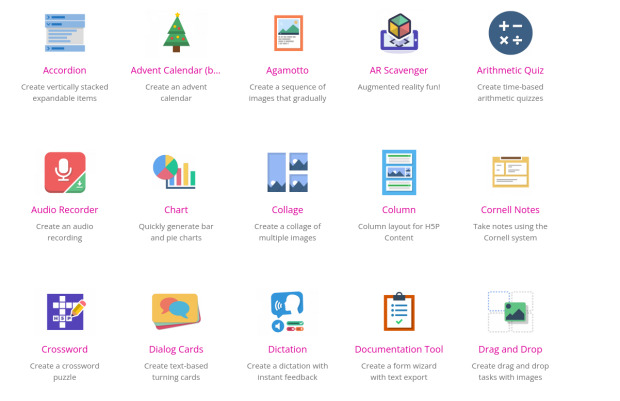
Como vemos, tenemos un abananico de posibilidades bastante amplio y que se adapta a casi cualquier necesidad.
No obstante lo mejor es su integración con otras aplicaciones o entornos educativos vía LTI como Moodle, Blackboard, Canvas, Brightspace y posee plugins para Drupal y WordPress,
No por nada la filosofía de H5P es :
Crea contenido HTML5 más rico en las plataformas de publicación existentes.
Comparte contenido sin fisuras en cualquier sitio compatible con H5P
Reutiliza y modifica contenido en su navegador en cualquier momento
La entrada Crear contenidos educativos H5P offline con Lumi se publicó primero en KDE Blog.

Try out the new CDN with openSUSE-repos
For a while Dirk Mueller was working in the background to get a sponsored CDN subscription. Thanks to his effort Fastly.com has agreed to sponsor the openSUSE project with bandwidth. We primarily intend to use it to improve the reachability (latency) of download.opensuse.org in various areas of the world, but of course can expand it to other usecases as well.
openSUSE-repos simplifies openSUSE repository management by utilizing Repository Index Service (RIS) for core distribution repositories and its latest update switches users to the new cdn.opensuse.org.
Change just landed in Tumbleweed, openSUSE Leap 15.5 users will receive it in the next few days via a maintenance update. The change will be available also as part of Leap Micro 5.5. Users who don’t want to wait can get it from Base:System/openSUSE-repos.
Installation of openSUSE-repos for your distribution
openSUSE-repos backs up and disables all default system repositories as long as they have original filenames. User-defined repositories will remain untouched.
Install the correct package for your distribution and you should be all set.
sudo zypper in openSUSE-repos-Leap
sudo zypper in openSUSE-repos-Tumbleweed
sudo zypper in openSUSE-repos-MicroOS
sudo zypper in openSUSE-repos-LeapMicro
About Repository Index Service
zypp supports RIS services which translate a (remote) repoindex.xml into (local) repository definitions.
These definitions are identified by a prefix, in this particular case openSUSE: .
Example:
/etc/zypp/repos.d/openSUSE:repo-oss.repo
Making a change like switching users to CDN takes a one-line change in the service template. Service template can reference zypp variables such as a new /etc/zypp/vars.d/DIST_ARCH.
# head /usr/share/zypp/local/service/openSUSE/repo/repoindex.xml
<repoindex ttl="0"
disturl="https://cdn.opensuse.org"
distsub="leap/"
distver="${releasever}"
debugenable="false"
sourceenable="false">
<repo url="%{disturl}/distribution/%{distsub}%{distver}/repo/oss"
alias="repo-oss"
name="%{alias} (%{distver})"
enabled="true"
autorefresh="true"/>
Let’s have a look at our services
# zypper ls # list-services
# | Alias | Name | Enabled | GPG Check | Refresh | Type
--+----------------------------------------+----------------------+---------+-----------+---------+-------
1 | openSUSE | openSUSE | Yes | ---- | Yes | ris
2 | NVIDIA | NVIDIA | Yes | (r ) Yes | Yes | rpm-md
3 | google-chrome | google-chrome | Yes | (r ) Yes | Yes | rpm-md
You may optionally use zypper ref -s to explicitly refresh services.
You can manually trigger refresh the service including its repos with zypper refs -r.
If you’d experiment with your own services, /var/log/zypper.log will help you troubleshoot most of the service-related issues. See doc-o-o for more information about zypper and RIS.
Rollback
Users can restore old repository files by following instructions in the project README file.
Geeko Magazine Special Edition 2023夏
コミックマーケットC102に出展します。スペースは 2日目 西地区 か-09a です。
今回からは午後入場券の当日販売がありますので、参加しやすくなったかと思います。周囲には Linux をはじめとした技術系同人誌を扱うサークルが多数集まっていますので、ぜひお越しください。
Webカタログでは見本誌を公開しています。
Cómo crear una actividad rosco con eXeLearning – Vídeo
Hace ya más de un año que presenté eXeLearning, un editor de recursos educativos e interactivos de código abierto que te permite llevar tu actividades a otro nivel a la vez que compartirlos sin ningún tipo de restricción en multitud de formatos. Lo cierto es que me interesa mucho esta aplicación y he empezado a aprender mucho sobre ella, y es mi deber pagarlo mediante promoción. Hoy os traigo cómo crear una actividad rosco con eXeLearning, un vídeo de Cedec_Intef que explica muy bien los principios básicos en 6 pasos.
Cómo crear una actividad rosco con eXeLearning – Vídeo
Seguimos con eXeLearning, y en esta ocasión con un vídeo de Cedec_Intef, que no es más que el Centro Nacional de Desarrollo Curricular en Sistemas no Propietarios (Cedec), un organismo público español que promueve la transformación digital y metodológica de las aulas que pone a disposición de los docentes recursos educativos abiertos (REA) del Proyecto EDIA, elaborados por docentes en activo con la herramienta de software libre eXeLearning.
Pues bien, en el vídeo que os presento hoy se explica en 6 pasos cómo crear una secuencias didáctica con esta aplicación, en otras palabras, cómo crear una página de un libro digital completamente libre, con la posibilidad de compartirlo con la Comunidad siguiendo los protocolos necesarios para que sea compatible con las principales herramientas docentes libres como Moodle.
De esta forma, este vídeo empieza ya con un eXeLearning instalado, así que directamente se dirige a la sección de Experimental (en la actualidad se encuentra en Juegos) y empieza la elaboración de la actividad. Dicha actividad se divide en tres bloques principales: instrucciones, opciones y las palabras, donde tenemos las opciones «La palabra empieza por» y «La palabra contiene», que son intercambiables pinchando en el icono que está al lado de la letra
¿Qué es EXeLearning?

Para los que no lo conozcan, eXeLearning es un editor de recursos educativos e interactivos de código abierto se caracteriza por:
- Permite crear contenidos educativos de una manera sencilla
- Descarga fácil y gratuita desde su web.
- Está disponible para todos los sistemas operativos.
- Nos pemite catalogar los contenidos y publicarlos en diferentes formatos:
- Sitio web navegable y adaptable a diferentes dispositivos (responsive design).
- Estándar educativo, para trabajar con Moodle y otros LMS.
- Página HTML única para imprimir cómodamente tu trabajo.
- ePub3 (libro electrónico), etc.
- Ofrece diferentes diseños a elegir desde el menú, además de la posibilidad de crear diseños propios.
Con eXelearnig se puede crear todo tipo de actividades entre las que destaco rellenar huecos, pregunta de elección múltiple, pregunta de selección múltiple, pregunta verdadero-falso, cuestionario SCORM o actividad desplegable.
Además, y este es uno de los principales usos que hago de esta aplicación, nos permte crear rúbricas de forma sencilla, así como incluir recursos realizados con otras aplicaciones. Por ejemplo, Jclic, Descartes, Scratch, Geogebra, Physlets…
La entrada Cómo crear una actividad rosco con eXeLearning – Vídeo se publicó primero en KDE Blog.
Prueba la beta de KDE Gear 23.08 en KDE Neon
Los desarrolladores de la Comunidad KDE ya están preparando el lanzamiento de la siguiente versión de su conjunto de aplicaciones de su ecosistemae. Es por lo que ya se empiezan a saber noticias poco a poco. De esta forma ya está disposible la prueba la beta de KDE Gear 23.08 en KDE Neon, es el momento de probar estas nuevas versiones y que se reporten los errores que se encuentren. ¡No pierdas la oportunidad de contribuir al desarrollo de Plasma!
Prueba la beta de KDE Gear 23.08 en KDE Neon
Hace unos días que ya está disponible la beta de KDE Gear 23.08, la segunda versión liberada del 2023 de este cconjunto de aplicacione no apta todavía para el usuario que busquen estabilidad.
En palabras de sus desarrolladores:
KDE Gear es nuestro paquete de aplicaciones que lanzamos tres veces al año. La versión del próximo mes acaba de recibir una beta para pruebas, así que ahora hay docenas de aplicaciones que necesitan ser probadas. Puede descargar la ISO de pruebas de KDE neon o probar el contenedor KDE neon con Distrobox para probarlas.
Prueba el nuevo KTuberling. No pruebes KFloppy, finalmente ha terminado su larga y feliz vida.
Más información: KDE Neon Blog | Lista de paquestes de KDE Gear 23.08
Pruébalo y reporta errores

Todas las tareas dentro del mundo del Software Libre son importantes: desarrollar, traducir, empaquetar, diseñar, promocionar, etc. Pero hay una que se suele pasar por alto y de la que solo nos acordamos cuando las cosas no nos funcionan como debería: buscar errores.
Desde el blog te animo a que tú seas una de las personas responsables del éxito del nuevo lanzamiento de KDE Gear 23.08 de la Comunidad KDE. Para ello debes participar en la tarea de buscar y reportar errores, algo básico para que los desarrolladores los solucionen para que el despegue del escritorio esté bien pulido. Debéis pensar que en muchas ocasiones los errores existen porque no le han aparecido al grupo de desarrolladores ya que no se han dado las circunstancias para que lo hagan.
Para ello debes instalarte esta beta y comunicar los errores que salgan en bugs.kde.org, tal y como expliqué en su día en esta entrada del blog.
La entrada Prueba la beta de KDE Gear 23.08 en KDE Neon se publicó primero en KDE Blog.
Akademy Award 2023, los premios de la Comunidad KDE
Este año hemos vuelto a tener una edición más tradicional de Akademy, la cual no ha estado exenta de los Akademy Award 2023, es decir, los premios de la Comunidad KDE. Se trata de un reconocimiento a aquellas personas que han destacado en el desarrollo del Proyecto KDE. Rindámosles un pequeño homenaje.
Akademy Award 2023, los premios de la Comunidad KDE
Tradicionalmente, las ponencias, charlas y las minireuniones de pasillo del fin de semana de cualquier Akademy finalizan con el anuncio de los Akademy Award, es decir, los premios que se otorgan a los miembros de la Comunidad KDE a aquellos integrantes que destacan por una u otra razón.
Tras dos ediciones especiales de Akademy (2020 y 2021) que son recordadas por ser realizadas en línea por fin se ha vuelto a la modalidad presencial, pero híbrida, en Barcelona en el 2022 y en Tesalónia, celebrados este mes de julio.
Y, por supuesto, a cualquier edición de Akademy no puede faltar los Akademy Award, unos premios que tienen un curiosa forma de ser otorgados, ya que son elegidos por los ganadores de la anterior edición. De esta forma se consigue diversificar los ganadores a lo largo de los años, tal y como se puede apreciar en el listado de premiados.

De esta forma Jasem Mutlaq, Harald Sitter y Aniqa Knockchar ganadores del 2022 han fallado otorgar los premios Akademy Award 2023 a:
- Mejor aplicación: Heaptrack, mantenida por Milian Wolff y su equipo de desarrollo.
- Mejor No-Aplicación para Hannah Von Reth por su trabajo en el sistema KDE’s *Craft*.
- Premio del jurado para Johnny Jazeix por su trabajo organizando y dando soporte a Season of KDE y Google Summer of Code
Por último, el premio especial fue para el equipo local que representaba a la Universidad de Macedonia, coorganizadora del evento. La comunidad KDE no puede agradecer lo suficiente a la Universidad y al equipo organizador el trabajo realizado para que Akademy 2023 fuera un éxito.
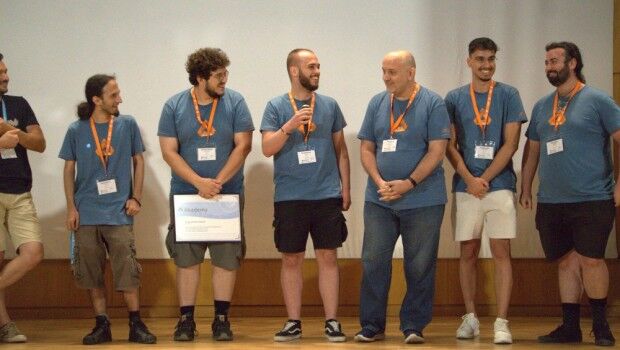
Así que las lista de gente cuyo trabajo es reconocido por la Comunidad KDE sigue creciendo a medida que pasan los años, aunque en mi humilde opinión se debería aumentar el número de reconocidos por año porque hay decenas de personas que se merecerían este galardón.
¡Muchas felicidades a todos ellos!
Más información: KDE.News
La entrada Akademy Award 2023, los premios de la Comunidad KDE se publicó primero en KDE Blog.

OWASP SP : Primeiro Meetup Virtual de 2023

Nesta quarta-feira, dia 02 de Agosto (quarta feira), a OWASP SP proporcionará o primeiro Meetup com debate de extrema relevância, sendo uma vez que o mundo vive uma crise no contexto de segurança da informação e uma grande transformação tecnológica. Todo dia nos deparamos com um novos vazamentos de dados. Sendo assim, a propagação de conhecimento, proporcionará softwares e sistemas seguros minimizando esta crise.
Faremos um bate papo com o tema: “A Importância da OWASP para os Times de Ataque e Defesa”. Um encontro obrigatório para profissionais de segurança, desenvolvedores, e qualquer pessoa interessada em aprender mais sobre a segurança na web.
Estamos animados em já ter confirmado dois convidados especiais:

Paulo Baldin atualmente é CISO e DPO da STARK BANK. Possui mais de 16 anos de experiência e coordenou/participou de mais de 86 projetos (contabilizando 22 mil horas efetivas) em prevenção a fraudes, segurança da informação, auditoria interna/externa, controles internos, combate a crimes cibernéticos, data analytics e desde 2017 atuando diretamente com proteção de dados e privacidade. Graduado e com quatro Pós-Graduações, possui mais de 51 certificações nas suas áreas de atuação, entre elas CISM, CDPSE, DPO, ISO 27001 LI e CPC-PD.

Ana Paula Tessaro: Ana ou Nana, atua como Engenheira de Segurança na JUSBRASIL. Além disso, possuí doutorado em Tecnologia Nuclear, com foco em sistemas, pelo IPEN/USP. Seu campo de atuação abrange segurança defensiva e inteligência cibernética. Possuí várias publicações de artigos em revistas renomadas como Radiation Physics and Chemistry e Brazilian Journal of Radiation Sciences e segue sua jornada com curiosidade, sempre buscando excelência e inovação.

Jonathan Coradi, é Especialista de Segurança da Informação no Banco Safra atua nas frentes do time de pentest e engajamento de RedTeam diretamente alinhado com o negócio. Possui as certificações CRTO e DCPT, autor da CVE-2022-38350 e amante de busca por falhas.
Será um momento de grande aprendizado e troca de experiências. Prepare-se para ampliar seus conhecimentos e habilidades em segurança da web! A troca de ideias e experiências é um dos alicerces da nossa comunidade, por isso, reserve um espaço na sua agenda para esse encontro!
