
 Member
 Victorhck
La supercomutadora más rápida del mundo ejecuta SUSE Linux Enterprise Server
Una versión derivada de SUSE Linux es el sistema operativo que hace funcionar a Frontier la supercomputadora más rápida del mundo

En la lista de las 500 supercomputadoras más potentes del mundo, ya no es noticia que GNU/Linux sea el sistema adoptado en el 100%.
Desde versiones propias adaptadas y desarrolladas para esas máquinas tan exigentes a soluciones más conocidas por la comunidad GNU/Linuxera como pueden ser CentOS, Red Hat, SUSE, o incluso Ubuntu.
Pero en este caso quiero destacar que la supercomputadora que ocupa el puesto número 1 en la lista de 500 elaborada el pasado mes de noviembre de 2022, llamada Frontier, usa un sistema operativo llamado HPE Cray OS, una versión especializada de SUSE Linux Enterprise Server.
Este artículo es una traducción/adaptación de un artículo en inglés escrito por Bret Dayley publicado en la web de SUSE.
En materia de equipos en este alto nivel de exigencia de computación, los avances son casi increíbles. En 2022, sin duda uno de los avances más dramáticos en el mundo de la computación fue una supercomputadora que rompió la barrera de la computación a exaescala.
Esto significa que puede procesar más de un quintillón de cálculos por segundo, lo que la hace capaz de realizar las tareas informáticas más complejas del mundo. Y puede servir de modelo informático en escenarios para avances en modelado climático, astrofísica, genómica, medicina y una red energética más eficiente, etc.
Esta supercomputadora, denominada Frontier, fue desarrollada por HPE Cray en conjunto con el Laboratorio Nacional Oak Ridge del Departamento de Energía de EE. UU. Tal vez el aspecto más impresionante de Frontier se manifiesta al compararla con sus predecesoras, con las supercomputadoras «más rápidas» anteriores.
¡Realmente ni siquiera está cerca ya que Frontier es 2.5 veces más rápido que la supercomputadora número 1 anterior del mundo!
La asociación de SUSE con HPE Cray se remonta a principios de la década de 1990, antes de la adquisición de Cray por parte de HPE, y todo el tiempo que SUSE ha estado colaborando en Cray OS, una versión especializada de SUSE Linux Enterprise Server.
Trabajando juntos, hemos creado un sistema operativo especializado de bajo jitter mejorado para computación de alto rendimiento que ocupa un espacio particularmente pequeño.
Y HPE Cray OS incluye funciones de confiabilidad, disponibilidad y capacidad de servicio (RAS), como servicios para verificar que los nodos informáticos se ejecuten de manera eficiente con pruebas de rendimiento integradas e informes de hardware.
Otro aspecto impresionante a tener en cuenta es que estas mejoras especializadas no alteran la capacidad de Frontier y HPE Cray OS para ejecutar aplicaciones Linux estándar, sino que mejoran el rendimiento, la escala y la confiabilidad.
El paquete de software HPE Cray OS ofrece compatibilidad con contenedores integrados para una mayor flexibilidad y muchas aplicaciones ISV pueden implementarse para ejecutarse en Frontier «listas para usar».
Una tercera característica extraordinaria de Frontier es que también ocupó el puesto número 2 en la lista Green500 en junio de este año, que califica el uso y la eficiencia de la energía de los sistemas de supercomputación disponibles en el mercado, con un rendimiento de 62,68 gigaflops por vatio… con su sistema hermano, el Frontier Test & Development System (TDS), reclamando el puesto número 1.
Desde supercomputadoras hasta terminales y dispositivos médicos, SUSE Linux Enterprise es la elección de muchos fabricantes líderes en todo el mundo.
No sé si llegará el año de Linux en el escritorio, pero sí es cierto que GNU/Linux ha llegado hace tiempo a los sistemas que hacen funcionar internet y a las supercomputadoras que gestionan un montón de cálculos necesarios para muchos proyectos.
También ha llegado GNU/Linux a dispositivos embebidos, con sistemas inmutables, que los hacen eficientes y seguros y donde desplegar aplicaciones específicas.
Es un placer disfrutar de parte de esa potencia y parte de ese adelanto en nuestros pequeños portátiles en los que tenemos instalada alguna de las distribuciones de GNU/Linux disponibles…
Enlaces de interés

La nueva versión de Linux Mint centra sus esfuerzos en dinamizar la apariencia
Como muchos de vosotros sabréis KDE Blog es un blog personal. No es una decisión que yo haya tomado y que sea inamovible, sino que por circunstancias no he conseguido tener colaboradores que se sumen al proyecto de forma constante. En cierto modo lo comprendo: llevar un blog no está de moda y requiere cierta disciplina. No obstante, siempre encuentro algunos colaboradores puntuales como Rubén Gómez, o Edith Gómez. En esta ocasión de la mano de Abel Martínuez os presento «La nueva versión de Linux Mint centra sus esfuerzos en dinamizar la apariencia» donde nos habland de las bondades de esta excelente distribución Linux
La nueva versión de Linux Mint centra sus esfuerzos en dinamizar la apariencia
Ya es un hecho. Acaba de lanzarse nueva versión de Linux Mint, una de las distribuciones más célebres de Linux para entornos de PC con apariencia de Windows, la cual la hace muy amigable para los nuevos usuarios. En otras palabras, Linux Mint es una sobresaliente opción de cambio para aquellos usuarios que continúan utilizando las versiones 7 y 8.1 del gigante de Microsoft, cuyo futuro es más bien oscuro a corto plazo.
Tras la aparición de Linux Mint 21.0 hace aproximadamente seis meses, es ahora cuando aparece su primera actualización, que lleva por nombre Linux Mint 21.1 y cuyo soporte incluye algunas de las novedades que ya trajo consigo lo último de Ubuntu 22.04 el pasado mes de abril: entre otros, el kernel 5.15, la pila gráfica de mesa 22 o el servidor de audio PulseAudio 16.
Ahora bien, más allá de las similitudes de base, las diferencias entre Linux Mint y Ubuntu son más que evidentes. De entrada, uno de los cambios más significativos es la distribución del software, que en el caso de Mint descarta la Snap Store de Canonical y su ramillete de aplicaciones autocontenidas. De este modo, los usuarios tienen la opción de elegir si quieren o no dar cauce al Firefox empaquetado que hasta la fecha venía instalado de forma inamovible.
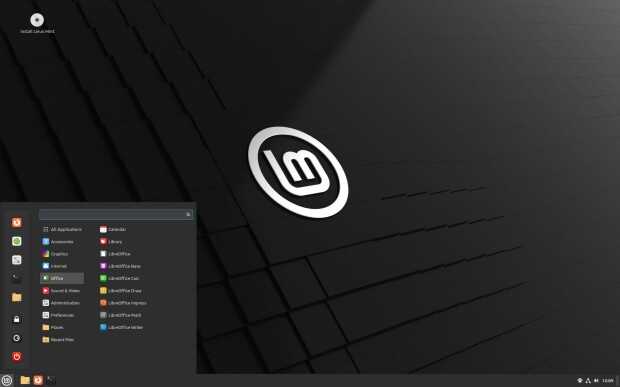
El apartado relativo a la seguridad es otro de los que también presenta retoques. En este caso, el desarrollador ha buscado matizar el soporte para asemejarse lo máximo posible a aquellos entornos digitales que presentan un potente sistema de protección de usuarios, como pueden ser las entidades bancarias y las plataformas de juegos de azar. En este sentido, Linux Mint ha puesto el foco sobre los modelos de encriptación que usan los neobancos para salvaguardar los datos personales de su clientela. La tecnología más eficaz en estos términos es sin duda el certificado TLS (Transport layer security), que se ocupa de ocultar los números de cuenta y las contraseñas privadas que los usuarios depositan en la web y que luego viajan hasta el servidor.
Tampoco ha pasado desapercibido para Mint el trabajo de fondo que vienen realizando los operadores de juego en Internet, especialmente los casinos online fiables en España, que a nivel de programación están sabiendo eludir con mucha precisión los delitos de suplantación de perfiles. La industria del juego se ha especializado en el empleo del sistema KYC (Know your customer), el protocolo de verificación de identidad cuya función pasa por confirmar que los jugadores que tratan de acceder a sus cuentas son realmente quienes dicen ser.
Lejos de este tipo de particularidades, la nueva versión de Linux Mint aterriza una vez más con su tridente de ediciones, cada una de ellas con un entorno de escritorio distinto. Así, encontramos Cinnamon, MATE y Xfce, que vienen completamente actualizadas. La primera de ellas destaca por la importante variación estética que presenta, ya que el color azul ha terminado sustituyendo al verde habitual, las carpetas son amarillas y los bordes de la zona superior de las ventanas ahora están redondeadas.
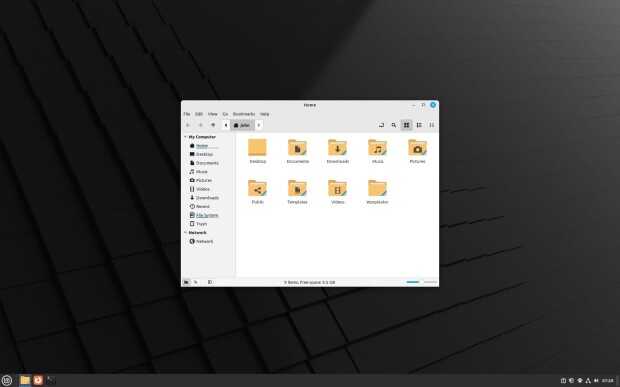
También resalta la simplificación del escritorio que ha traído consigo Linux Mint 21.2, ya que se han suprimido algunos accesos directos para ganar limpieza sin perder practicidad. De hecho, la carpeta de usuario y la papelera han desaparecido. De igual modo, cambian la apariencia del curso y los diferentes temas disponibles, gracias sobre todo al buen hacer de Material Design V, que ha permitido desarrollar una pantalla de primerísimo nivel.
Al margen de lo visual, lo último de Linux Mint incorpora asimismo alguna que otra nueva función en el gestor de controladores, que ahora puede ejecutarse sin contraseña de administrador y sin necesidad de estar conectado. Otro punto importante es la evolución de Flatpak, que ya disfruta de soluciones para actualizar las apps en el gestor.
En definitiva, la versión 21.2 se caracteriza por la renovación de sus formas, de sus rasgos estéticos, aunque no descuida por ello otros cambios funcionales que dan solidez, seguridad y eficiencia al soporte.
La entrada La nueva versión de Linux Mint centra sus esfuerzos en dinamizar la apariencia se publicó primero en KDE Blog.

Fixed security issue that affected tsp.opensuse.org
Hi,
We were contacted by Lukas Euler from Positive Security, to inform us that Travel Support Program (TSP), the application we use to reimburse the costs of traveling to events where you can promote or are organized by the project, had a significant security flaw that impacted our and others' production systems. We have since patched the vulnerability, contacted other organizations that also use the software, and have spent some time and wrote a script to parse logs, in order to asses the impact. Over the span of the last 2 years, the flaw has not been abused, outside of a script written by Lukas, which read contents of the production database via brute force.
The what & the how
In essence, the flaw allowed an attacker to see if any arbitrary string is in the database by detecting size of a response to a request with a query containing the string, table by table. Let me illustrate:
Observe the following requests:
"GET /events.json?q[end_date_gteq]=0&q[name_eq]=Open Mainframe Summit&q[requests_comments_body_cont]=a HTTP/1.1" 200 516
"GET /events.json?q[end_date_gteq]=0&q[name_eq]=Open Mainframe Summit&q[requests_comments_body_cont]=aa HTTP/1.1" 200 12
-
/events.jsonis our public api endpoint containing all the events ever created on the instance -
end_date_gteqmeans match toend_dategreater or equal to what is after the equals sign -
name_eqmeans match to name equal (not case sensitive) to what is after the equals sign -
requests_comments_body_contmeans all the comment bodies that contain what is after the equals sign in all the requests that were created
As you can see, the two requests have wildly different response sizes (last number), the one with 516B returned a body containing the details of the event, while the second one with 12B did not, because no comment body in any request associated with that event matched string 'aa'. Since every reimbursement request has to have an event that is attached to it, you could find contents of every comment in the database if you spent the time going through every character one by one. Of course, the comments are the least of our worry in an application that deals with addresses and bank information. Bank information is attached to a reimbursement, which is mapped directly onto a request, so that's easy enough to find. You could find users through any object created by them, comments, reimbursements, requests, and from there you have an easy time getting to address information.
The why
By default the Ransack library that we use for querying various objects in the frontend allows for querying any association of those objects. We didn't limit the scope of association or columns that could be accessed by it. Since all the objects within the database of TSP are associated in some way or another, that gave just anybody access to the entire database.
Here's some documentation on the subject:
https://activerecord-hackery.github.io/ransack/going-further/associations/
https://activerecord-hackery.github.io/ransack/getting-started/search-matches/
And the way to fix the scopes that ransack can access:
https://activerecord-hackery.github.io/ransack/going-further/other-notes/#authorization-allowlistingdenylisting
How we fixed it:
https://github.com/openSUSE/travel-support-program/commit/d22916275c51500b4004933ff1b0a69bc807b2b7
Github Advisory:
https://github.com/openSUSE/travel-support-program/security/advisories/GHSA-2wwv-c6xh-cf68
Huge thanks to Lukas and the Positive Security team for letting us know about this, we wouldn't have known about this without you, and our data would have been in jeopardy.
Habit Tracker : Agar Kebiasaan Baik Menjadi Gaya Hidup dan Mudah Mencapai Tujuan
Saya pertama kali mendengar istilah Habit Tracker dari bukunya James Clear : Atomic Habits. Apa itu Habit Tracker?
Habit tracker adalah cara yang sederhana untuk mengukur apakah kita melakukan kebiasaan yang direncanakan atau tidak. Misalnya kita berolah raga secara rutin di waktu pagi setiap harinya, apakah kita membuat penanda di kalender untuk tanggal atau hari olah raga tersebut? Jika kita mulai olah raga rutin sejak 1 Januari 2023, maka saat ini sudah ada 9 tanggal yang dichecklist.
Habit Tracker berguna untuk beberapa alasan, antara lain:
- Habit Tracker menciptakan tanda visual yang dapat mengingatkan Anda untuk bertindak
- Habit Tracker memberikan motivasi tambahan setelah melihat kemajuan yang kita buat. Kita tidak ingin menghentikan tren kebiasaan baik yang sudah dilakukan
- Habit Tracker menjadi salah satu tools untuk merekam kesuksesan kita yang kemudian mendorong kita untuk lebih sukses lagi.
Saya mulai berpuasa Daud sejak minggu pertama Desember 2022. Saya juga mulai berolah raga secara rutin sejak itu. Sebagai bagian dari upaya terencana untuk mendapatkan target yang diinginkan, saya menggunakan mekanisme habit tracker sebagai berikut :
- Saya menandai tanggal dimana saya sukses berpuasa Daud dan tanggal dimana saya terpaksa skip (misalnya saat hari Sabtu dan Minggu ada tamu keluarga besar yang datang). Dari situ saya bisa melihat trend kedisiplinan saya
- Saya menggunakan aplikasi Abs Workout sebagai habit tracker untuk memastikan tidak ada hari yang terlompati. Jika saya sudah menjalani 9 hari olah raga berturut-turut, sayang jika ada jadwal yang bolong. Hal ini membuat saya lebih bersemangat untuk tidak membiarkan ada tanggal yang terlompati.
- Saya juga menjadikan aplikasi Abs Workout untuk mencatat kalori yang “dibakar” saat olah raga. Catatan ini berjalan otomatis karena terkait jenis dan banyaknya kegiatan olah raga yang dilakukan. Karena saya mengambil jadwal 30 days abs workout, maka setiap hari ada peningkatan jumlah kalori yang dibakar karena makin hari makin banyak latihan yang dilakukan dan durasinya juga lebih lama.
- Saya mencatat tensi dan berat badan secara rutin tiap pagi dan sore. Dari situ saya bisa tahu tensi saya mulai normal di kisaran 115 sd 130 untuk sistolik dan 70-85 untuk diastolik. Sebelumnya tensi saya di 140-155 untuk sistolik dan 90-110 untuk diastolik.


Berat badan saya juga perlahan menurun, awalnya di kisaran 81-82 kg diawal Desember menjadi 75-an kg di pekan kedua Januari 2023.
Kedua hal ini menjadi tambahan kepuasan bahwa apa yang saya lakukan secara benefit sesuai dengan keinginan dan target yang saya rencanakan
- Habit Tracker membuat saya mengubah hal lain secara paralel. Misalnya saya sudah tidak lagi minum teh manis atau minuman dengan gula. Saya mengganti teh manis dengan teh sereh dan daun salam tanpa gula. Saya juga mengurangi konsumsi nasi. Makan juga relatif lebih sedikit, rata-rata hanya 2x dalam sehari dan jarang ngemil.
Saya juga tidak minum es, mengurangi gorengan, mengurangi makanan beku dan lebih banyak berjalan kaki atau naik sepeda untuk bepergian jarak dekat. Ini berlangsung otomatis dengan sendirinya karena memang waktu makan juga relatif lebih sempit.


Saya ingat salah satu nasihat Ustadz Zaidul Akbar seperti dalam gambar :
- Obat terbaik adalah lapar
- Penyakit adalah memasukkan kedalam perut saat didalam perut sedang ada makanan

Nasihat yang sangat baik dan bisa menjadi pengingat bagi kita semua.
Semangat buat yang sedang menjalani program dan kegiatan untuk kebaikan pribadi, keluarga dan untuk masyarakat banyak.
Iconos con gradientes para tu PC: Ketsa
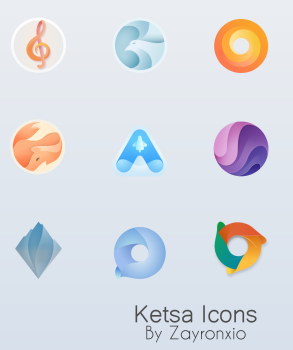
Hoy toca hablar de diseño, y concretamente de diseño de iconos. Se trata de Ketsa, un set de iconos con gradientes para tu PC que le dan un toco orgánico y sofisticado a tu escritorio. Espero que os gusten.
Iconos con gradientes para tu PC: Ketsa
Me fascina la variedad que tenemos a nuestra disposición tanto de forma, estilo o colores. Tenemos iconos clásicos, minimalistas, lineales, 3D, que simulan otros sistemas operativos, imaginativos, que recuerdan a objetos cotidianeos, etc.
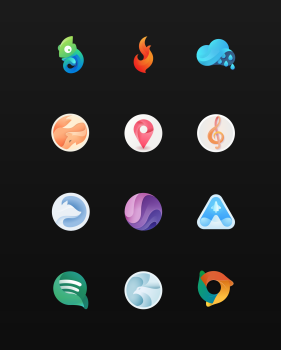
Hoy os presento Ketsa, un pack de iconos creados por zayronXIO que, inspirado en el trabajo de Yoga en Dribbble y después en el de sikebo, ha creado este pack de iconos con bonitos degradados y colores suaves que les dan una profundidad que en ocasiones se encuentra a faltar.
Los podéis encontrar tanto adaptados para temas claros como oscuros. Hay que destacar que el autor comenta que le resulta laborioso crear este tipo de iconos, por lo que el pack todavía está incompleto y que está abierto a sugerencias.
Y como siempre digo, si os gusta el pack de iconos podéis pagarlo de muchas formas en la página en continua evolución (mirad su nuevo aspecto) de KDE Store, que estoy seguro que el desarrollador lo agradecer: puntúale positivamente, hazle un comentario en la página o realiza una donación. Ayudar al desarrollo del Software Libre también se hace simplemente dando las gracias, ayuda mucho más de lo que os podéis imaginar, recordad la campaña I love Free Software Day 2017 de la Free Software Foundation donde se nos recordaba esta forma tan sencilla de colaborar con el gran proyecto del Software Libre y que en el blog dedicamos un artículo.
Más información: KDE Store Claros | KDE Store Oscuros
La entrada Iconos con gradientes para tu PC: Ketsa se publicó primero en KDE Blog.
Hoy toca hablar de diseño, y concretamente de diseño de iconos.
Hoy toca hablar de diseño, y concretamente de diseño de iconos. Se trata de Ketsa, un set de iconos con gradientes para tu PC que le dan un toco orgánico y sofisticado a tu escritorio. Espero que os gusten.
Iconos con gradientes para tu PC: Ketsa
Me fascina la variedad que tenemos a nuestra disposición tanto de forma, estilo o colores. Tenemos iconos clásicos, minimalistas, lineales, 3D, que simulan otros sistemas operativos, imaginativos, que recuerdan a objetos cotidianeos, etc.
Hoy os presento Ketsa, un pack de iconos creados por zayronXIO que, inspirado en el trabajo de Yoga en Dribbble y después en el de sikebo, ha creado este pack de iconos con bonitos degradados y colores suaves que les dan una profundidad que en ocasiones se encuentra a faltar.
Los podéis encontrar tanto adaptados para temas claros como oscuros. Hay que destacar que el autor comenta que le resulta laborioso crear este tipo de iconos, por lo que el pack todavía está incompleto y que está abierto a sugerencias.
Y como siempre digo, si os gusta el pack de iconos podéis pagarlo de muchas formas en la página en continua evolución (mirad su nuevo aspecto) de KDE Store, que estoy seguro que el desarrollador lo agradecer: puntúale positivamente, hazle un comentario en la página o realiza una donación. Ayudar al desarrollo del Software Libre también se hace simplemente dando las gracias, ayuda mucho más de lo que os podéis imaginar, recordad la campaña I love Free Software Day 2017 de la Free Software Foundation donde se nos recordaba esta forma tan sencilla de colaborar con el gran proyecto del Software Libre y que en el blog dedicamos un artículo.
Más información: KDE Store Claros | KDE Store Oscuros
La entrada se publicó primero en KDE Blog.
Persiapan Bank Pakan untuk Ternak Kambing dan Sapi
Salah satu masalah utama beternak adalah kebutuhan pakan. Tanpa persediaan pakan yang cukup, ternak yang dipelihara bisa jadi terganggu pertumbuhannya.
Masalahnya, menyiapkan pakan yang cukup dalam jumlah besar itu menyita waktu dan tenaga. Jika harus mengupah orang, biayanya juga jadi cukup besar. Jika harga jual ternak tidak terlalu tinggi, nanti hasilnya bukan untung melainkan buntung karena hasil ternak tidak dapat menutup biaya pemeliharaan.
Saya punya ternak kambing didekat rumah kabin Zeze Zahra. Karena terbentur masalah yang sama dalam hal pakan, saya berusaha mencari tahu lewat pembelajaran di Youtube. Ada beberapa inspirasi dan pembelajaran dari peternak yang sudah lebih berpengalaman. Ada yang menanam rumput gajah, rumput odot, membuat fermentasi pakan dan lain-lain.
Akhirnya pembelajaran itu coba diterapkan. Saya menanam rumput odot di tepian pagar rumah kabin sebagai percobaan. Ternyata berhasil. Rumput odot itu tumbuh subur dan bisa dijadikan sebagai pakan tambahan. Saya berencana untuk menanam rumput odot lebih luas pada lahan kurang produktif di sekitar area Zeze Zahra.


Adik saya Achos Maryadi Aris Munandar juga beternak kambing. Ia menanam rumput odot di tegalan sebagai bank pakan. Persediaan pakan hijauan ini sangat membantu mengurangi beban penyediaan makan. Kalaupun tidak mencukupi, bisa ditambah dengan pakan lain namun tidak sesulit jika harus menyediakan pakan dari hasil “ngarit” setiap hari.
Melihat anak kambing yang sehat dan hamparan rumput odot yang tumbuh menghijau bisa menjadi bagian dari refreshing pribadi sekaligus bagian dari investasi “bisnis daratan” untuk pencapaian Financial Independence.

Ender3 Ikea Lack Table Printer Enclosure
Controla el consumo de tu Plasma – Plasmoides de KDE (214)
En estos tiempo que se avecinan en cuanto a problemas energéticos es bueno tener opciones para tener presente de qué forma utilizamos este bien tan preciados. De esta forma os presento el plasmoide de KDE número 214 de la gran serie de los mismos mostrados en el blog llamado Energy Monitor con lo que se controla el consumo de energía de nuesta batería Una funcionalidad que puede ser útil para tomar consciencia de nuestra huella en el medioambiente.
Controla el consumo de tu Plasma – Plasmoides de KDE (214)
De plasmoides tenemos de todo tipo funcionales, de configuración, de comportamiento, de decoración o, como no podía ser de otra forma, de información sobre nuestro sistema como puede ser el uso de disco duro, o de memoria RAM, la temperatura o la carga de uso de nuestras CPUs.
Es esta ocasión nos vamos a centrar en una parte esencial en nuestros equipos, la batería, sobre el cual el desarrollador 0xm4r71n ha creado un plasmoide que nos permite controlar el consumo de tu ordenador con Plasma.
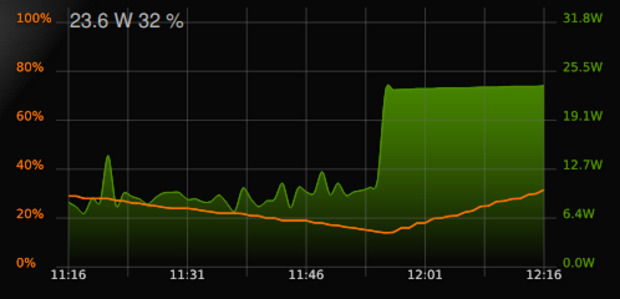
Según su creador:
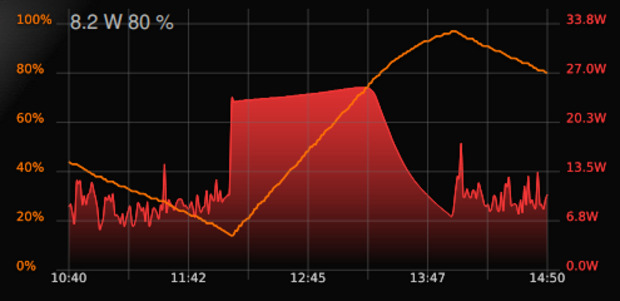
Esta extensión de Plasma 5 permite controlar el consumo actual y la capacidad de la batería (línea naranja = capacidad de la batería, roja = consumo). La extensión muestra los datos gráficamente. Es posible ajustar el número de muestras por minuto (1-60: p. ej. 5 = 5x por minuto valores de trazado en el gráfico) y el intervalo de tiempo de los datos mostrados (10 – 600 minutos). El color del gráfico y de la etiqueta del panel cambia automáticamente (verde cuando la batería se está cargando y rojo cuando se está descargando). Este widget se puede añadir al panel, pero no recomiendo añadirlo a la bandeja del sistema. El consumo mostrado es el consumo total de todas las baterías del sistema.
Y como siempre digo, si os gusta el plasmoide podéis “pagarlo” de muchas formas en la mutante página de KDE Store, que estoy seguro que el desarrollador lo agradecerá: puntúale positivamente, hazle un comentario en la página o realiza una donación. Ayudar al desarrollo del Software Libre también se hace simplemente dando las gracias, ayuda mucho más de lo que os podéis imaginar, recordad la campaña I love Free Software Day 2017 de la Free Software Foundation donde se nos recordaba esta forma tan sencilla de colaborar con el gran proyecto del Software Libre y que en el blog dedicamos un artículo.
Más información: KDE Store
¿Qué son los plasmoides?
Para los no iniciados en el blog, quizás la palabra plasmoide le suene un poco rara pero no es mas que el nombre que reciben los widgets para el escritorio Plasma de KDE.
En otras palabras, los plasmoides no son más que pequeñas aplicaciones que puestas sobre el escritorio o sobre una de las barras de tareas del mismo aumentan las funcionalidades del mismo o simplemente lo decoran.
La entrada Controla el consumo de tu Plasma – Plasmoides de KDE (214) se publicó primero en KDE Blog.
Controla el consumo de tu monitor en Plasma – Plasmoides de KDE (214)
En estos tiempo que se avecinan en cuanto a problemas energéticos es bueno tener opciones para tener presente de qué forma utilizamos este bien tan preciados. De esta forma os presento el plasmoide de KDE número 214 de la gran serie de los mismos mostrados en el blog llamado Energy Monitor con lo que se controla el consumo de tu monitor en Plasma. Una funcionalidad que puede ser útil para tomar consciencia de nuestra huella en el medioambiente.
Controla el consumo de tu monitor en Plasma – Plasmoides de KDE (214)
De plasmoides tenemos de todo tipo funcionales, de configuración, de comportamiento, de decoración o, como no podía ser de otra forma, de información sobre nuestro sistema como puede ser el uso de disco duro, o de memoria RAM, la temperatura o la carga de uso de nuestras CPUs.
Es esta ocasión nos vamos a centrar en un periférico esencial en nuestros equipos, el monitor, sobre el cual el desarrollador 0xm4r71n ha creado un plasmoide que nos permite controlar el consumo de nuestra pantalla en Plasma.
Según su creador:
Esta extensión de Plasma 5 permite controlar el consumo actual y la capacidad de la batería (línea naranja = capacidad de la batería, roja = consumo). La extensión muestra los datos gráficamente. Es posible ajustar el número de muestras por minuto (1-60: p. ej. 5 = 5x por minuto valores de trazado en el gráfico) y el intervalo de tiempo de los datos mostrados (10 – 600 minutos). El color del gráfico y de la etiqueta del panel cambia automáticamente (verde cuando la batería se está cargando y rojo cuando se está descargando). Este widget se puede añadir al panel, pero no recomiendo añadirlo a la bandeja del sistema. El consumo mostrado es el consumo total de todas las baterías del sistema.
Y como siempre digo, si os gusta el plasmoide podéis “pagarlo” de muchas formas en la nueva página de KDE Store, que estoy seguro que el desarrollador lo agradecerá: puntúale positivamente, hazle un comentario en la página o realiza una donación. Ayudar al desarrollo del Software Libre también se hace simplemente dando las gracias, ayuda mucho más de lo que os podéis imaginar, recordad la campaña I love Free Software Day 2017 de la Free Software Foundation donde se nos recordaba esta forma tan sencilla de colaborar con el gran proyecto del Software Libre y que en el blog dedicamos un artículo.
Más información: KDE Store
¿Qué son los plasmoides?
Para los no iniciados en el blog, quizás la palabra plasmoide le suene un poco rara pero no es mas que el nombre que reciben los widgets para el escritorio Plasma de KDE.
En otras palabras, los plasmoides no son más que pequeñas aplicaciones que puestas sobre el escritorio o sobre una de las barras de tareas del mismo aumentan las funcionalidades del mismo o simplemente lo decoran.
La entrada Controla el consumo de tu monitor en Plasma – Plasmoides de KDE (214) se publicó primero en KDE Blog.