
Kata Containers now available in Tumbleweed

Kata Containers is an open source container runtime that is crafted to seamlessly plug into the containers ecosystem.
We are now excited to announce that the Kata Containers packages are finally available in the official openSUSE Tumbleweed repository.
It is worthwhile to spend few words explaining why this is a great news, considering the role of Kata Containers (a.k.a. Kata) in fulfilling the need for security in the containers ecosystem, and given its importance for openSUSE and Kubic.
What is Kata
As already mentioned, Kata is a container runtime focusing on security and on ease of integration with the existing containers ecosystem. If you are wondering what’s a container runtime, this blog post by Sascha will give you a clear introduction about the topic.
Kata should be used when running container images whose source is not fully trusted, or when allowing other users to run their own containers on your platform.
Traditionally, containers share the same physical and operating system (OS) resources with host processes, and specific kernel features such as namespaces are used to provide an isolation layer between host and container processes. By contrast, Kata containers run inside lightweight virtual machines, adding an extra isolation and security layer, that minimizes the host attack surface and mitigates the consequences of containers breakout. Despite this extra layer, Kata achieves impressive runtime performances thanks to KVM hardware virtualization, and when configured to use a minimalist virtual machine manager (VMM) like Firecracker, a high density of microVM can be packed on a single host.
If you want to know more about Kata features and performances:
- katacontainers.io is a great starting point.
- For something more SUSE oriented, Flavio gave a interesting talk about Kata at SUSECON 2019,
- Kata folks hang out on katacontainers.slack.com, and will be happy to answer any quesitons.
Why is it important for Kubic and openSUSE
SUSE has been an early and relevant open source contributor to containers projects, believing that this technology is the future way of deploying and running software.
The most relevant example is the openSUSE Kubic project, that’s a certified Kubernetes distribution and a set of container-related technologies built by the openSUSE community.
We have also been working for some time in well known container projects, like runC, libpod and CRI-O, and since a year we also collaborate with Kata.
Kata complements other more popular ways to run containers, so it makes sense for us to work on improving it and to assure it can smoothly plug with our products.
How to use
While Kata may be used as a standalone piece of software, it’s intended use is serve as a runtime when integrated in a container engine like Podman or CRI-O.
This section shows a quick and easy way to spin up a Kata container using Podman on openSUSE Tumbleweed.
First, install the Kata packages:
$ sudo zypper in katacontainers
Make sure your system is providing the needed set of hardware virtualization features required by Kata:
$ sudo kata-runtime kata-check
If no errors are reported, great! Your system is now ready to run Kata Containers.
If you haven’t already, install podman with:
$ sudo zypper in podman
That’ all. Try running a your first Kata container with:
$ sudo podman run -it --rm --runtime=/usr/bin/kata-runtime opensuse/leap uname -a
Linux ab511687b1ed 5.2.5-1-kvmsmall #1 SMP Wed Jul 31 10:41:36 UTC 2019 (79b6a9c) x86_64 x86_64 x86_64 GNU/Linux
Differences with runC
Now that you have Kata up and running, let’s see some of the differences between Kata and runC, the most popular container runtime.
When starting a container with runC, container processes can be seen in the host processes tree:
...
10212 ?        Ssl    0:00 /usr/lib/podman/bin/conmon -s -c <ctr-id> -u <ctr-id>
10236 ?        Ss     0:00  \_ nginx: master process nginx -g daemon off;
10255 ?        S      0:00      \_ nginx: worker process
10256 ?        S      0:00      \_ nginx: worker process
10257 ?        S      0:00      \_ nginx: worker process
10258 ?        S      0:00      \_ nginx: worker process
...
With Kata, container processes are instead running in a dedicated VM, so they are not sharing OS resources with the host:
...
10651 ?        Ssl    0:00 /home/marco/go/src/github.com/containers/conmon/bin/conmon -s -c <ctr-id> -u <ctr-id>
10703 ?        Sl     0:01  \_ /usr/bin/qemu-system-x86_64 -name sandbox-<ctr-id> -uuid e54ee910-2927-456e-a180-836b92ce5e7a -machine pc,accel=kvm,kernel_ir
10709 ?        Ssl    0:00  \_ /usr/lib/kata-containers/kata-proxy -listen-socket unix:///run/vc/sbs/<ctr-id>/proxy.sock -mux-socket /run/vc/vm/829d8fe0680b
10729 ?        Sl     0:00  \_ /usr/lib/kata-containers/kata-shim -agent unix:///run/vc/sbs/<ctr-id>/proxy.sock -container <ctr-id>
...
Future plans
We are continuing to work to offer you a great user experience when using Kata on openSUSE by:
- improving packages quality and stability,
- delivering periodic releases,
- making sure that Kata well integrates with the other container projects, like Podman and CRI-O.
As a longer term goal, we will integrate Kata in the Kubic distribution and in CaaSP, to make them some of the most complete and secure solutions to manage containers.

 Member
 Diamond_gr
Το GUADEC δεν είναι ένα βαρετό συνέδριο με ομιλίες. Θα έχουμε και δραστηριότητες

Οι περισσότεροι έχουν στο μυαλό ότι τα συνέδρια αποτελούνται από μερικές βαρετές ομιλίες, όπου ένας τρελοεπιστήμονας έχει φτιάξει κάτι και θέλει να το παρουσιάσει. Ειδικότερα, όταν αφορά πληροφορική, θα είναι κάποιοι καμμένοι, χοντροί και κολλημένοι στο πληκτρολόγιό τους και το συνέδριο θα είναι όσο πιο βαρετό γίνεται.
Και όμως έχετε λάθος. Γιατί; Καταρχήν οι περισσότεροι προγραμματιστές γνωρίζουν ότι κάνουν καθιστική ζωή και φροντίζουν να αθλούνται. Επίσης γνωρίζουν ότι είναι πίσω από μια οθόνη και φροντίζουν με την πρώτη ευκαιρία να συναντήσουν φίλους από κοντά για φαγητό, μπύρες, καφέδες κλπ.
Ας δούμε όμως στο GUADEC τι θα γίνει. Καταρχήν για να συμμετάσχετε, πρέπει να κάνετε εγγραφή ή να γίνετε εθελοντής.
| ΗΜΕΡΟΜΗΝΙΑ | ΔΡΑΣΗ |
|---|---|
| 22 Αυγούστου | Pre-registration party: Εδώ θα μαζευτούμε πριν το συνέδριο ώστε να γνωριστούμε και να κάνουμε και εγγραφές ώστε να αποφύγουμε τον πολύ κόσμο την επομένη το πρωί. Θα γίνει στο Κίτρινο Ποδήλατο (https://goo.gl/maps/Zz6vY4HEMTyrGXqt8) στις 7μμ. Εδώ τα έξοδα των ποτών είναι δικά σας. Λέτε ότι είστε από το συνέδριο. |
| 23 Αυγούστου | Κυρίως party: Θα γίνει στον χώρο του συνεδρίου στις 7μμ. Θα πρέπει να έχετε κάνει εγγραφή. |
| 24 Αυγούστου | Πικνικ στα Πλατανάκια: Είναι παράδοση σε κάθε συνέδριο να κάνουμε πικνικ. Εδώ το λεωφορείο και το φαγητό θα πληρωθεί από το GNOME (αρκεί να κάνετε την εγγραφή στο συνέδριο) αλλά καλό είναι να φέρετε κανένα ποτό από το σπίτι (θα υπάρχει και εκεί με χρέωση). Γραφτείτε στο https://wiki.gnome.org/GUADEC/2019/Picnicday. Αν δεν μπορείτε, στείλτε μου μνμ. |
| 25 Αυγούστου | Ποδοσφαιρικός αγώνας: Ακόμα ένα παραδοσιακό γεγονός. Θα γίνει δίπλα στο Καυτατζόγλειο στάδιο, περίπυ 7.30-8.30 μμ. Γραφτείτε στην σελίδα https://wiki.gnome.org/GUADEC/2019/Football. Αν δεν μπορείτε, στείλτε μου μνμ. |
| 28 Αυγούστου | Εκδρομή στην Επανομή για μπάνιο: Επειδή είμαστε παραθαλάσσια χώρα, θα κάνουμε μια κοντινή εκδρομή στη θάλασσα. Θα πληρωθεί το λεωφορείο από το GNOME (αρκεί να έχετε κάνει εγγραφή). Οι ξαπλώστρες θα είναι δωρεάν αρκεί να κάνετε κατανάλωση καφέ-ποτό. Επίσης δηλώστε μέχρι τις 18 Αυγούστου στην σελίδα https://wiki.gnome.org/GUADEC/2019/DayTrip. Αν δεν μπορείτε, στείλτε μου μνμ. |
| 28 Αυγούστου | Εναλλακτικά όσοι δεν γουστάρετε παραλία, μπορείτε να συμμετάσχετε στο γκρουπ που θα γυρίσει τα αξιοθέατα της Θεσσαλονίκης. Δηλώστε συμμετοχή στο https://wiki.gnome.org/GUADEC/2019/MuseumBoF. Αν δεν μπορείτε, στείλτε μου μνμ. Μικρό τιπ: Ο Φεντερίκο θα συμμετάσχει εδώ. Οπότε θα έχετε την τιμή να βγείτε φωτογραφίες στα αξιοθέατα με κάποιον διάσημο του χώρου. |
Επίσης να είστε σε εγρήγορση γιατί θα ανακοινωθεί δείπνο για τις γυναίκες στο GNOME (μάλλον στις 22 Αυγούστου) καθώς και για τους νέους στο GNOME (μάλλον και αυτό στις 22 Αυγούστου).

Patch Workflow With Mutt 2019
Given that the main development workflow for most kernel maintainers is with email, I spend a lot of time in my email client. For the past few decades I have used (mutt), but every once in a while I look around to see if there is anything else out there that might work better.
One project that looks promising is (aerc) which was started by (Drew DeVault). It is a terminal-based email client written in Go, and relies on a lot of other go libraries to handle a lot of the “grungy” work in dealing with imap clients, email parsing, and other fun things when it comes to free-flow text parsing that emails require.

Operasional dan Kegiatan Yayasan Ultima Insani Madania
Setelah seluruh berkas dokumen legal dan administrasi yayasan selesai diproses, sejak bulan lalu yayasan Ultima Insani Madania mulai beroperasional.
Acara pertama adalah pemberian hadiah untuk siswa/siswi/santri berprestasi : https://www.insanimadania.id/acara-di-yayasan-ultima-insan…/
Secara operasional kegiatan, setiap bulan yayasan Ultima Insani Madania mendapat donasi dana CSR dari PT. Excellent Infotama Kreasindosebesar Rp. 1.500.000,-. ditambah dengan pemasukan lain berasal dari donasi pribadi/perorangan.
Untuk pengeluaran rutin bulanan, saat ini beberapa item pengeluaran adalah sebagai berikut :
1. Biaya untuk operasional pengajian bulanan. Ditetapkan sebesar Rp. 500.000,- untuk keperluan pembayaran listrik, penambahan/penggantian kelengkapan buku dan lain-lain
2. Pemberian santunan rutin bulanan berupa beras sebanyak 5 liter per orang sebanyak 16 orang. Total sebanyak 80 liter beras. Santunan diutamakan pada lansia yang tidak bekerja/tidak memiliki penghasilan tetap. Pembelian dilakukan sebanyak 2 karung beras @60 liter, jadi total beras sebanyak 120 liter.
Dari 40 liter beras (120 liter – 80 liter), dibagikan kepada pengajar pengajian sebanyak masing-masing 10 liter/orang. Sisa 10 liter dijadikan sebagai cadangan darurat jika ada yang membutuhkan
1 karung beras berisi 60 liter harganya sekitar 450 s/d 500 ribu rupiah, tergantung dari kualitas berasnya.
3. Ada donasi langganan majalah Bobo dan National Geographic untuk keperluan tambahan koleksi di Taman Bacaan Excellent. Mulai berjalan mulai bulan Agustus 2019 ini
Saat didirikan, modal dasar yayasan sebesar Rp. 15 juta rupiah. Dari donasi tetap CSR Excellent 1.5 juta rupiah per bulan, ada pengeluaran tetap dengan nilai sejumlah itu juga. Jadi tambahan asset yayasan berasal dari donasi personal lainnya.
Saya berpikir-pikir, kira-kira upaya apa yang elegan, normal dan masuk akal yang bisa dilakukan untuk menambah asset modal yayasan sehingga bisa meningkatkan jumlah santunan sekaligus membuat yayasan lebih mandiri.
Saya paham, namanya juga yayasan baru berdiri, yang penting sabar dan stabil agar jalannya tidak oleng. Meski demikian, jika ada tambahan pemasukan yang baik dan berkah, mengapa tidak kan ya 
Jadi saya mengambil langkah pertama, yaitu menginformasikan ke group keluarga besar, jika mau beramal, berapapun nilainya, bisa ditujukan ke rekening yayasan. Alhamdulillah ada tambahan yang masuk.
Saya juga mengalihkan hasil penjualan buku untuk dijadikan sebagai donasi yayasan (tanpa mengubah/mengurangi hak royalti penulis)
Kemudian ada piutang personal yang pembayarannya dilakukan secara bulanan, atas kesepakatan, prosesnya bisa dialihkan juga untuk penambah modal dan asset yayasan.
Yang berikutnya adalah hasil kolam ikan dan kebun, rencananya sebagian pendapatannya bisa dijadikan sebagai tambahan donasi meski nilainya tidak terlalu besar.
Harapan saya, diakhir tahun ini asset yayasan bisa mencapai Rp. 50 juta. Ini adalah target terdekat agar yayasan bisa mulai belajar menata diri dan memulai awal menghidupi dirinya sendiri.

Website yayasan : https://www.insanimadania.id
Catatan : Bagi rekan-rekan yang tertarik berdonasi baik berupa uang, buku bacaan, majalah, buku iqro, buku yasin, al-quran dan lain-lain silakan menggunakan halaman kontak pada website yayasan.
Communities in the distrowatch.org top 20
| Distribution | Forum | Wiki | Community | Membership | Bug Reporting | Mailing List | Chat |
| MX Linux | Yes | Technical Only | No | No | Yes | No | No |
| Manjaro | Yes | Yes | No | No | Forum Only | Yes | Yes |
| Mint | Yes | No | Yes | No | Upstream or Github | No | IRC |
| elementary | Stack Exchange | No | No | No | Yes | No | Slack |
| Ubuntu | Yes | Yes | Yes | Yes | Yes | Yes | IRC |
| Debian | Yes | Yes | Yes | Yes | Yes | Yes | IRC |
| Fedora | Yes | Yes | Yes | Yes | Yes | Yes | IRC |
| Solus | Yes | No | Yes | No | Yes | No | IRC |
| openSUSE | Yes | Yes | Yes | Yes | Yes | Yes | IRC |
| Zorin | Yes | No | No | No | Forum Only | No | No |
| deepin | Yes | Yes | No | No | Yes | Yes | No |
| KDE neon | Yes | Yes | Yes | No | Yes | Yes | IRC |
| CentOS | Yes | Yes | Yes | No | Yes | Yes | IRC |
| ReactOS* | Yes | No | Yes | No | Yes | Yes | Webchat |
| Arch | Yes | Yes | Yes | Yes | Yes | Yes | Yes |
| ArcoLinux | Yes | No | No | No | No | No | Discord |
| Parrot | Yes | Debian Wiki | No | No | Forum Only | No | IRC/Telegram |
| Kali | Yes | No | Yes | No | Yes | No | IRC |
| PCLinuxOS | Yes | No | No | No | Forum Only | No | IRC |
| Lite | Yes | No | Yes | Yes | Yes | No | No |
*All are Linux distributions except ReactOS
Column descriptions:
- Distribution: Name of the distro
- Forum: Is there a support message board?
- Wiki: Is there a user-editable wiki?
- Community: Are there any links where I can directly contribute to the project?
- Membership: Can I become a voting member of the community?
- Bug Reporting: Is there a way to report bugs that I find?
- Mailing list: Is there an active mailing list for support, announcements, etc?
- Chat: Is there a way to talk to other people in the community directly?
What is this list?
This is the top 20 active projects distributions according to distrowatch.org in the past 12 months.
Things that I learned:
Only well-funded corporate sponsored Linux distributions (Fedora, Ubuntu, OpenSUSE) have all categories checked. That doesn’t mean that anyone is getting paid. I believe this means that employees are probably the chief contributors and that means there are more people putting in resources to help.
Some distributions are “Pat’s distribution”. Pat’s group owns it and Pat doesn’t want a steering committee or any other say in how the distro works. Though contributions by means of bug reports may be accepted.
A few distributions “outsource” resources to other distributions. Elementary allows Stack Exchange to provide their forum. Parrot Linux refers users to the Debian wiki. Mint suggests that you put in bug reports with the upstream provider unless it is a specific Mint create application.
There are a few Linux distributions that leave me scratching my head. How is this in the top 20 distros on distrowatch? There’s nothing here and the forum, if there is one, is nearly empty. Who uses this?
What do you want from an open source project?
Do you want to donate your time, make friends, and really help make a Linux distribution grow? Look at Fedora, Ubuntu, OpenSUSE, or Arch. These communities have ways to help you make this happen.
Do you want to just install a free OS on your machine and not worry about what goes into it until something breaks? Check out a Linux distribution with an active and friendly support community. Sometimes the more avenues the better. Sometimes you only need one really good and helpful forum.
Suggestions for distro owners:
Explicitly declare on your website what you want from the people who use your distribution and how they can help! Maybe you just need funding so you can quit your day job and do this full time. Maybe you really need well written bug reports and testers. Say so and help them help you!
Did I miss something? Did I say that you have no chat but you have a thriving community on IRC? Then let me know and I will update this blog post! Also, make sure that it is visible on your page and not hidden away.

On responsible vulnerability disclosure
Recently KDE had an unfortunate event. Someone found a
vulnerability in the code that processes .desktop and
.directory files, through which an attacker could create a malicious
file that causes shell command execution (analysis). They went for immediate,
full disclosure, where KDE didn't even get a chance of fixing the bug
before it was published.
There are many protocols for disclosing vulnerabilities in a coordinated, responsible fashion, but the gist of them is this:
-
Someone finds a vulnerability in some software through studying some code, or some other mechanism.
-
They report the vulnerability to the software's author through some private channel. For free softare in particular, researchers can use Openwall's recommended process for researchers, which includes notifying the author/maintainer and distros and security groups. Free software projects can follow a well-established process.
-
The author and reporter agree on a deadline for releasing a public report of the vulnerability, or in semi-automated systems like Google Zero, a deadline is automatically established.
-
The author works on fixing the vulnerability.
-
The deadline is reached; the patch has been publically released, the appropriate people have been notified, systems have been patched. If there is no patch, the author and reporter can agree on postponing the date, or the reporter can publish the vulnerability report, thus creating public pressure for a fix.
The steps above gloss over many practicalities and issues from the real world, but the idea is basically this: the author or maintainer of the software is given a chance to fix a security bug before information on the vulnerability is released to the hostile world. The idea is to keep harm from being done by not publishing unpatched vulnerabilities until there is a fix for them (... or until the deadline expires).
What happened instead
Around the beginning of July, the reporter posts about looking for bugs in KDE.
On July 30, he posts a video with the proof of concept.
On August 3, he makes a Twitter poll about what to do with the vulnerability.
On August 4, he publishes the vulnerability.
KDE is left with having to patch this in emergency mode. On August 7, KDE releases a security advisory in perfect form:
-
Description of exactly what causes the vulnerability.
-
Description of how it was solved.
-
Instructions on what to do for users of various versions of KDE libraries.
-
Links to easy-to-cherry-pick patches for distro vendors.
Now, distro vendors are, in turn, in emergency mode, as they must apply the patch, run it through QA, release their own advisories, etc.
What if this had been done with coordinated disclosure?
The bug would have been fixed, probably in the same way, but it would not be in emergency mode. KDE's advisory contains this:
Thanks to Dominik Penner for finding and documenting this issue (we wish however that he would have contacted us before making the issue public) and to David Faure for the fix.
This is an extremely gracious way of thanking the reporter.
I am not an infosec person...
... but some behaviors in the infosec sphere are deeply uncomfortable to me. I don't like it when security "research" is hard to tell from vandalism. "Excuse me, you left your car door unlocked" vs. "Hey everyone, this car is unlocked, have at it".
I don't know the details of the discourse in the infosec sphere around full disclosure against irresponsible vendors of proprietary software or services. However, KDE is free software! There is no need to be an asshole to them.

Automatisiertes Tippen von Passwörtern auf openSUSE
Die Passwortverwaltung KeePass hat das äußerst praktische Feature Auto-Type um Anmeldeformulare in jeglicher Software, also nicht nur im Browser, per Knopfdruck ausfüllen zu können.
Damit spart man sich das manuelle Kopieren und Einfügen, was nicht nur komfortabler ist, sondern auch verhindert, dass das Passwort auf diesem Weg doch an einer falschen Stelle landet.
Leider funktionierte dies in openSUSE bisher nur, wenn man manuell das Paket xdotool nachinstalliert.
Ansonsten begrüßt folgende Fehlermeldung:
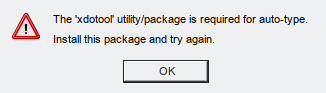
Die Fehlermeldung sagt dem Nutzer zwar bereits wie das Problem zu beheben ist, aber ich als Nutzer bevorzuge es eigentlich, wenn Dinge einfach funktionieren.
Von daher sollte die Installation des Paketes keepass eigentlich dafür sorgen, dass auch xdotool installiert wird.
Zum Glück hat openSUSE einen gut Dokumentierten Prozess um Korrekturen zu Paketen beizutragen. Das Paket zu reparieren ist also fast genau so schnell erledigt wie die fehlende Abhängigkeit zu installieren. Und als Bonus muss ich es auf dem nächsten System dann nicht wiederholen.
Wie man an meinem Request sehen kann habe ich xdotool übrigens nicht einfach als Abhängigkeit zu keepass hinzugefügt, denn KeePass funktioniert ja auch ohne xdotool fehlerfrei.
Stattdessen nutze ich den Vorschlagsmechanismus, also Recommends statt Depends.
So bekommt ein normaler Nutzer das empfohlene Paket automatisch mitinstalliert.
Wer aber --no-recommends nutzt, um beispielsweise aus Sicherheitsgründen oder wegen beschränktem Platz auf der Systemfestplatte, nur die absolut notwendigen Pakete installieren möchte, bekommt weiterhin die gleiche minimale Installation wie bisher.
Leider habe ich meine Korrektur minimal zu spät beigetragen, als dass sie es noch in openSUSE Leap 15.1 geschafft hätte. Von daher profitiert man bisher in in Tumbleweed davon. Mit der nächsten Leap-Version können dann aber auch Leap-Nutzer ohne manuelle Nacharbeit Auto-Type nutzen.
Το GUADEC ένα συνέδριο που διεξάγεται χάρη στους χορηγούς
Το GNOME αποτελεί ένα project ανοικτού λογισμικού που ξεκίνησε από 2 ιδεολόγους που πιθανό να μην φανταζόταν την γιγάντωση του project τους. Στα χρόνια που πέρασαν, μεγάλωσε η κοινότητα των ατόμων που συνεισφέρουν στο project σε όλους τους τομείς. Πως επιβιώνουν όλα τα projects ανοικτού λογισμικού που δεν έχουν κάποια εταιρία να στηρίζει οικονομικά; Οι χορηγίες είναι αυτές που παρέχουν κάποια οικονομική βοήθεια σε έξοδα φιλοξενίας σε servers (ιστοσελίδα, iso) κλπ κλπ. Οι χορηγίες μπορεί να είναι από τον απλό χρήστη που απλά χρησιμοποιεί ΔΩΡΕΑΝ το λογισμικό (αν και δεν είναι αυτό το νόημα του ελεύθερου λογισμικού/λογισμικού ανοικτού κώδικα), έως τις μεγάλες εταιρίες (το καταπληκτικό είναι ότι και γι' αυτές είναι ΔΩΡΕΑΝ).
Χορηγίες. Πως όμως διαχειρίζονται τα χρήματα; Στο GNOME συγκεκριμένα υπάρχει το GNOME Foundation με το board και υπάρχει διαφάνεια στην διάθεση των χρημάτων. Η απόδειξη είναι το Annual Report 2018 το οποίο αναφέρει ότι έγινε στο GNOME το 2018.
Στα χρόνια της ανάπτυξης του GNOME, γεννήθηκε το GUADEC, αρχικά για το GNOME Users And Developers European Conference, το οποίο είναι το ετήσιο συνέδριο που λαμβάνει χώρα στην Ευρώπη. Κύριος σκοπός των συνεδρίων σαν το GUADEC είναι η κοινωνικοποίηση, να συναντηθούν από κοντά όλοι όσοι συνεισφέρουν στο project (είτε προγραμματιστές είτε χρήστες). Τις περισσότερες φορές συναντιόμαστε μέσω πληκτρολογίου. Η συνάντηση μας αυτή μπορεί να γεννήσει νέες ιδέες και να υλοποιηθούν γρηγορότερα διότι συναντιόμαστε πρόσωπο με πρόσωπο και όλα γίνονται γρηγορότερα έτσι.
Ένα τέτοιο συνέδριο χρειάζεται κάποια τοπική ομάδα για να διεκπεραιώσει κάποιες εργασίες. Στην περίπτωσή μας, σταθήκαμε τυχεροί με την άψογη συνεργασία με το Πανεπιστήμιο Μακεδονίας Θεσσαλονίκης. Όμως όσο και καλή πρόθεση να έχουμε, τίποτα δεν κινείται χωρίς την δύναμη του χρήματος. Έτσι εδώ έρχονται να βοηθήσουν οι χορηγοί. Μια λίστα χορηγών μπορείτε να βρείτε στην σελίδα https://2019.guadec.org/pages/sponsors.html. Εκεί μπορείτε να βρείτε και πως μπορείτε να γίνεται και εσείς χορηγός (έστω και την τελευταία στιγμή).
Θα σταθούμε όμως σε μερικούς από αυτούς τους οποίους θα θέλαμε να ευχαριστήσουμε ξεχωριστά.
ΠΛΑΤΙΝΕΝΙΟΣ

Η Private Internet Access (PIA), είναι ο κορυφαίος πάροχος υπηρεσιών no-log VPN στον κόσμο. Η PIA πιστεύει ότι η πρόσβαση σε ένα ανοιχτό διαδίκτυο αποτελεί θεμελιώδες ανθρώπινο δικαίωμα και κάνει δωρεές σε σκοπούς όπως το EFF, ORG και FFTF για την προώθηση των σκοπών της ιδιωτικής ζωής σε διεθνές επίπεδο. Η PIA διαθέτει πάνω από 3.200 κεντρικούς υπολογιστές σε 25 χώρες, οι οποίοι παρέχουν αξιόπιστες, κρυπτογραφημένες πύλες tunnel VPN για οποιαδήποτε περίπτωση χρήσης.
ΧΡΥΣΟΙ

Canonical είναι η εταιρεία πίσω από το Ubuntu. Ιδρύθηκε το 2004. Το Ubuntu είναι μια πλατφόρμα που εκτείνεται από τις συσκευές PC και IoT στον server και το cloud. Περιλαμβάνει μια ολοκληρωμένη σειρά επιχειρηματικών εργαλείων για την ανάπτυξη, τη ρύθμιση, τη διαχείριση και την ενοποίηση των υπηρεσιών. Το Ubuntu έρχεται με όλα όσα χρειάζεστε για να οργανώσετε τον οργανισμό, το σχολείο, το σπίτι ή την επιχείρησή σας. Η Canonical παρέχει επιχειρηματικά προϊόντα, υποστήριξη και υπηρεσίες για το Ubuntu. Η Canonical είναι μια ιδιωτική εταιρεία.

Η Red Hat είναι ο κορυφαίος προμηθευτής λύσεων λογισμικού ανοιχτού κώδικα, χρησιμοποιώντας μια προσέγγιση που βασίζεται στην κοινότητα για την παροχή αξιόπιστων και υψηλής απόδοσης τεχνολογιών cloud, Linux, ενδιάμεσου λογισμικού, αποθήκευσης και εικονικοποίησης. Η Red Hat προσφέρει επίσης βραβευμένες υπηρεσίες υποστήριξης, εκπαίδευσης και συμβουλευτικών υπηρεσιών. Ως συνδετικός κόμβος σε ένα παγκόσμιο δίκτυο επιχειρήσεων, εταίρων και κοινοτήτων ανοιχτού κώδικα, η Red Hat συμβάλλει στη δημιουργία σχετικών καινοτόμων τεχνολογιών που απελευθερώνουν πόρους για την ανάπτυξη και προετοιμάζουν τους πελάτες για το μέλλον της πληροφορικής.

Η Endless ιδρύθηκε το 2012 με μία μοναδική αποστολή: να καταστήσει τον υπολογιστή προσβάσιμο παγκοσμίως, επιλύοντας τα εμπόδια του κόστους, της συνδεσιμότητας και της ευκολίας χρήσης. Το προϊόν ναυαρχίδα ονομάζεται Endless OS, ένα πλήρως λειτουργικό σύστημα σχεδιασμένο για αναδυόμενες αγορές. Το Endless βασίζεται στο GNOME και είναι εύκολο για χρήστες που δεν έχουν εμπειρία στην τεχνολογία. Λειτουργεί καλά με εξαιρετικά κακές συνδέσεις στο διαδίκτυο και κάνει χρήση της λανθάνουσας μνήμης τέτοια ώστε να βοηθήσει τους χρήστες να έχουν πρόσβαση στο περιεχόμενο που χρειάζονται σε περιοχές με ελάχιστη πρόσβαση στο διαδίκτυο. Διαθέτει πάνω από 100 εφαρμογές, ώστε να είναι χρήσιμη από τη στιγμή που το ενεργοποιείτε - ακόμα και αν δεν έχετε σύνδεση στο διαδίκτυο. Το Endless έχει δημιουργήσει εφαρμογές γεμάτες πολύτιμο περιεχόμενο για εκπαίδευση, υγεία, ευεξία, ανατροφή παιδιών, μικρές επιχειρήσεις και πολλούς άλλους τομείς για να βοηθήσουν τους χρήστες να επιτύχουν το καλύτερο στη ζωή. Το όραμα του Endless είναι οι χρήστες να είναι συνδημιουργοί ενός ζωντανού οικοσυστήματος εφαρμογών που επιλύει τις πραγματικές προκλήσεις και δημιουργεί ένα σύνολο εργαλείων που θα επιτρέπουν σε όλους, ανεξάρτητα από τις τεχνικές γνώσεις, να συμμετέχουν στη δημιουργία σχετικού περιεχομένου τοπικά.
Τέλος, θα θέλανε να ευχαριστήσουμε και τους ασημένιους χορηγούς αλλά και όσους έχουν δώσει έστω και 1 Euro για την οργάνωση του συνεδρίου. Να ξέρετε ότι κάνετε την διαφορά.
Εάν θέλετε να γίνετε και εσείς χορηγός, μπορείτε να δείτε πως εδώ.

Azure Storage Explorer with openSUSE Leap 15 小記
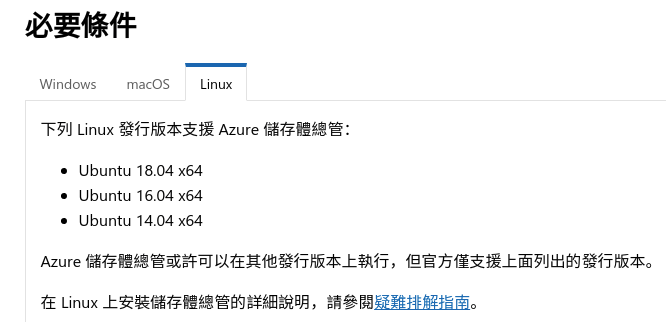
- Azure 儲存體總管 可以在 Windows , Mac, Linux 上存取 Azure 儲存體

- 上面只列出 Ubuntu 14.04 ~ Ubuntu 18.04
- .NET core 2.0 執行階段
- libgconf-2-4
- libgnome-keyring0 或 libgnome-keyring-dev
- libgnome-keyring-common
- 這邊看到 libicu 在 openSUSE Leap 15 應該是由 libicu60_2 提供




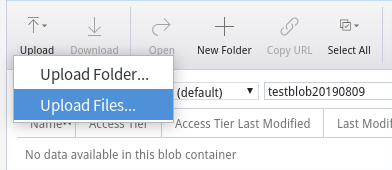
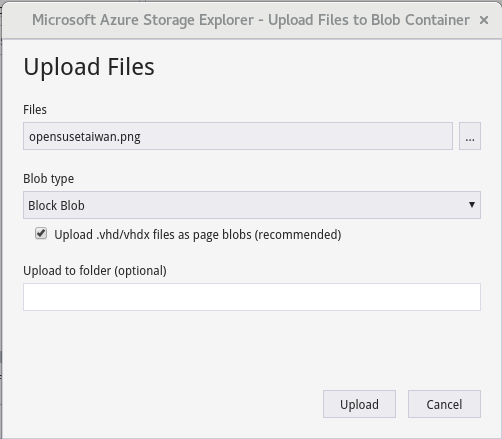


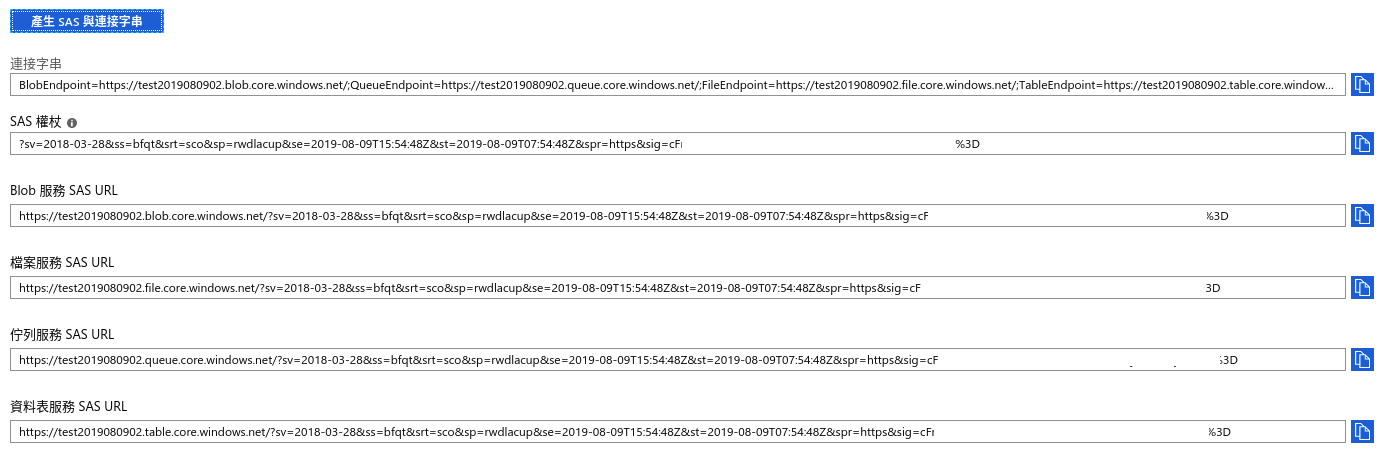


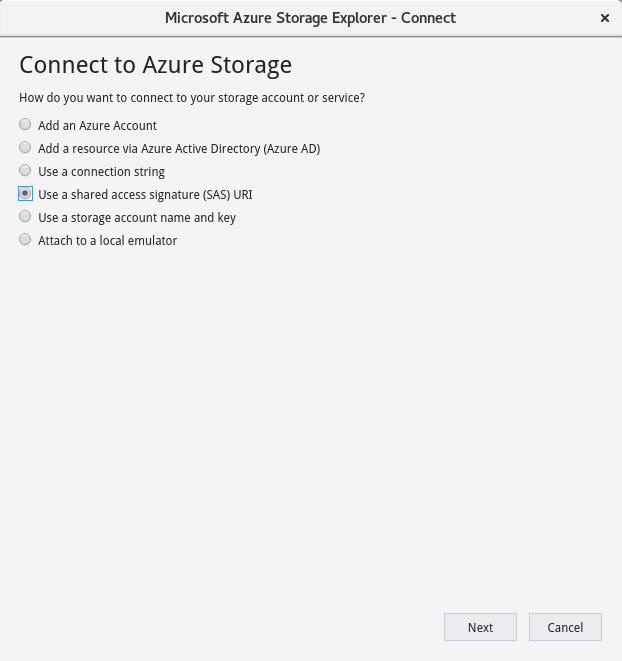

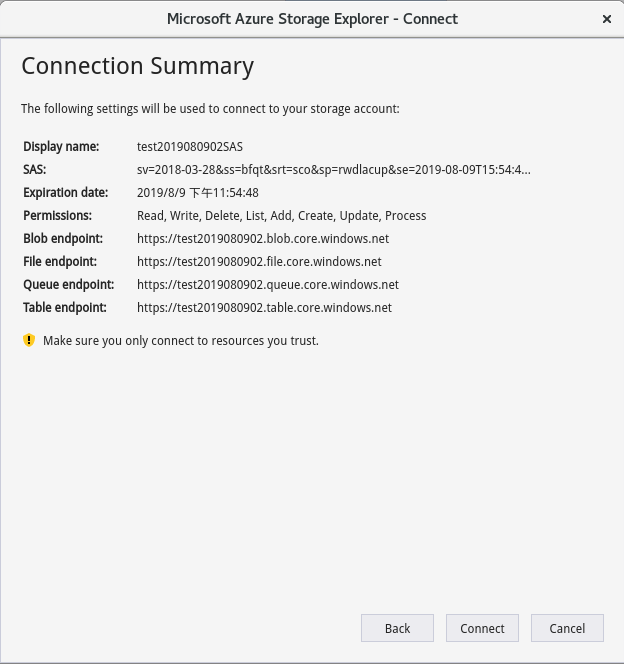

- 相關設定檔, Linux 在 ~/.config/StorageExplorer
這樣又在 Azure 前進一步

Tricks with IPFS
Since April I am using IPFS
Now I wanted to document some neat tricks and details.
When you have the hex-encoded sha256sum of a small file – for this example let’s use the GPLv3.txt on our media –
sha256sum /ipns/opensuse.zq1.de/tumbleweed/repo/oss/GPLv3.txt

8ceb4b9ee5adedde47b31e975c1d90c73ad27b6b165a1dcd80c7c545eb65b90
Then you can use the hash to address content directly by prefixing it with /ipfs/f01551220 so it becomes
/ipfs/f015512208ceb4b9ee5adedde47b31e975c1d90c73ad27b6b165a1dcd80c7c545eb65b903
In theory this also works with SHA1 and the /ipfs/f01551114 prefix, but then you risk experiencing non-unique content like
/ipfs/f0155111438762cf7f55934b34d179ae6a4c80cadccbb7f0a
And dont even think about using MD5.
For this trick to work, the file needs to be added with ipfs add --raw-leaves and it must be a single chunk – by default 256kB or smaller, but if you do the adding, you can also use larger chunks.
Here is a decoding of the different parts of the prefix:
/ipfs/ is the common path for IPFS-addressed content
f is the multibase prefix for hex-encoded data
01 is for the CID version 1
55 is for raw binary
12 is for sha2-256 (the default hash in IPFS)
20 is for 32 byte = 256 bit length of hash
And finally, you can also access this content via the various IPFS-web-gateways:
https://ipfs.io/ipfs/f015512208ceb4b9ee5adedde47b31e975c1d90c73ad27b6b165a1dcd80c7c545eb65b903
You can also do the same trick with other multibase encodings of the same data – e.g. base2
Base2 looks pretty geeky, but so far I have not found practical applications.