
KVM и/или Xen? Выбор платформы виртуализации
Останется только один?
Встреча Санкт-Петербургского openSUSE Community

Кафе называется Элвис Пресли - интерьер соответствующий.


И да, мы таки её нашли - любуйтесь :)


GUADEC 2010
Business
I'm giving a talk on Friday, July 30 at 10:15am. I intend it for people who want to start hacking on FOSS and GNOME projects but haven't found a way in yet, and those of all experience levels who want to learn more about hacking on Banshee in particular. Of course I'll talk a lot about the state of the project, and some of our cool new features too.
Pleasure
If you want to meet up in Amsterdam sometime Wednesday through Saturday, or in The Hague after that, send me an e-mail. I arrive in AMS early Wednesday with no plans.
Finally, a lazyweb request: if you have advice on prepaid data SIM cards in the Netherlands, I'd love to hear it.
Update
After taking the train to Amsterdam Central, I went to this Vodafone store and got a €7.50 sim card, €5 of call/txt credit (incoming is free, outgoing is 30 cents/min and 19 cents/txt) and a 50% off €10 30 days of data — so all told, €17.50. The guy spent 10 min or so fiddling with my G1 (dev phone) to get it activated, and then I goggled the APN info you need to enter manually: live.vodafone.com with username and password 'Vodafone'. Seems to be working great!

 Member
 coolo
cooloIt's so easy to fall in love
KDE Project:
It's been a while since I had baby photos to show, Felix grew just too quickly. But we two have a lot in common, and the latest addition to the list is the love to his sister:

Julia was born late night of the 12th of july in Fürth and now we're complete ;)
Неожиданное обновление :)
Все мы привыкли к тому, что, в так называемых, стабильных дистрибутивах версии ПО остаются теми же, что и на момент релиза, зато на них накладываются исправления, связанные с безопасностью и ошибками (чтоб не мешать стабильности). Но, что интересно, разработчики openSUSE обновляют версии ПО прямо на протяжении жизни релиза. Насколько я помню, версия 11.2 вышла с KDE версии 4.3.1, который затем обновился до 4.3.5, а теперь до 4.4.4 (вместе с Qt). Решение в общем-то правильное с учетом того, что сил на поддержку более старых версий приходится тратить больше, в то время как есть уже более свежая и поддерживаемая основным разработчиком версия (и что немаловажно, гораздо более стабильная). Обновление прошло достаточно гладко и безпроблемно (спасибо zypper'у).
Ну и следует отметить, что такие обновления происходят не со всем ПО, входящим в текущий релиз openSUSE. На моей памяти это касалось только KDE, Qt, zypper и yast.
Неожиданное обновление :)
Все мы привыкли к тому, что, в так называемых, стабильных дистрибутивах версии ПО остаются теми же, что и на момент релиза, зато на них накладываются исправления, связанные с безопасностью и ошибками (чтоб не мешать стабильности). Но, что интересно, разработчики openSUSE обновляют версии ПО прямо на протяжении жизни релиза. Насколько я помню, версия 11.2 вышла с KDE версии 4.3.1, который затем обновился до 4.3.5, а теперь до 4.4.4 (вместе с Qt). Решение в общем-то правильное с учетом того, что сил на поддержку более старых версий приходится тратить больше, в то время как есть уже более свежая и поддерживаемая основным разработчиком версия (и что немаловажно, гораздо более стабильная). Обновление прошло достаточно гладко и безпроблемно (спасибо zypper'у).
Ну и следует отметить, что такие обновления происходят не со всем ПО, входящим в текущий релиз openSUSE. На моей памяти это касалось только KDE, Qt, zypper и yast.

openSUSE present in the Especial Edition of CIBESS
 Happily, I was invited the last Weekend to give a conference about Security and Hacking at the International Congress of Informatics and E-Business (Congreso Internacional de Informática y E-Business) at the paradisaical Island of Margarita, Venezuela at the Caribbean Sea .
Of course, I don’t loose any time to Spread the openSUSE word, so I talk a lot about Linux, Why to use Linux in security matters, Why Windows is a Joke, and how openSUSE its a great choice for newbies and advanced users. There was 3 conferences for 600 people, in groups of 200. I gave DVD’s, CD’s and Stuff to everybody who ask, or want one… After my chat, everybody ask a lot about our beloved Geeko… 
I hang some pictures in Flickr about the event. Next stop, make my Launch Party, that I couldn’t the last Weekend because this event. Cheers!
git bisect in action
We have a little regression in the buildservice API test suite. And looking at the commit log I didn’t find the obvious problem, so I tried bisect, because I know it worked very recently:
git bisect start master 1dfd9717348d8425492b556d3a183b4d265007d

git bisect run sh -c "cd src/api; ruby test/functional/build_controller_test.rb --name=test_project_index"
And it gave me:
25347c2d712e6e4b598e05442dd95b5e82f14aed is the first bad commit

commit 25347c2d712e6e4b598e05442dd95b5e82f14aed

Author: Jan-Simon Möller

Date:   Sun Jul 18 01:14:01 2010 +0200
[api] Add fixtures for request controller ACL tests.
Now if you look at the commit, it is not obvious why it’s a problem. But now that git has proven, it has to be buggy I looked at the other fixture data and then it’s obvious and the fix is simple:
--- a/src/api/test/fixtures/package_user_role_relationships.yml

+++ b/src/api/test/fixtures/package_user_role_relationships.yml

@@ -11,8 +11,8 @@ testpack_maintainer:

bs_user_id: 267

role_id: 3

-testpack_maintainer:

-  db_package_id: 10095

+testpack1_maintainer:

+  db_package_id: 11006

bs_user_id: 42

role_id: 3
Thanks git 
"Вот, новый поворот..." или 48 часов с openSUSE 11.3
Установка
Ставил я систему с Live-CD KDE, записанного на флешку. Установка прошла быстро и без нареканий, порадовал новый дизайн инсталлятора. Впервые система выдала предупреждение о том, что в моем PC меньше 1 Гб оперативной памяти (1 Гб - 64 Мб на встроенное видео), и что не рекомендуется параллельно с установкой проводить ещё какие-либо операции. На времени установки это не особенно отразилось - весь процесс занял минут 15.
Настройка
По умолчанию в новой системе для видеокарт NVIDIA используется открытый драйвер nouveau - работает он прилично, но меня не устроил по причине отсутствия аппаратного 3-D ускорения.
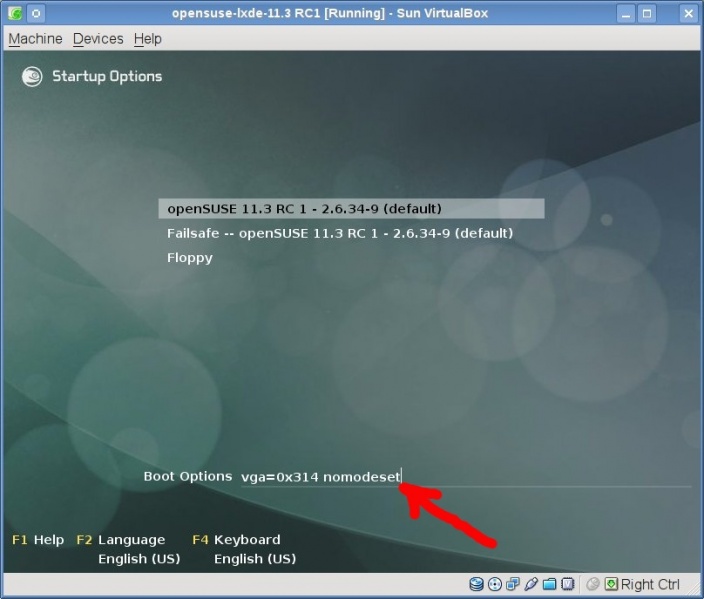
Поэтому я решил ставить проприетарный драйвер с официального сайта NVIDIA. Вот тут и кроется особенность nouveau - при установке "традиционным" путем модуль ядра собирается, но не может выгрузить модуль nouveau, поэтому от пользователя требуется ряд определенных действий. Довольно подробная инструкция была представлена в этой теме на официальном форуме. Я попробую немного дополнить ее теми шагами, которые пропущены автором по причине их распространенности и очевидности для опытного пользователя.
Итак, вот моя инструкция по установке проприетарного драйвера NVIDIA:
1. Подготовка.
Драйвер нужно скачать с официального сайта NVIDIA, кроме этого понадобятся пакеты binutils, make, gcc и kernel-source. Также понадобится текстовый редактор командной строки, для новичков рекомендую mc, кроме редактирования он позволит удобно перемещаться по файловой системе. Установить все сразу можно следующей командой:
sudo zypper in binutils make gcc kernel-source mc
init 3
mkinitrdДописываем в конец файла /etc/modprobe.d/50-blacklist.conf строчку "blacklist nouveau" без кавычек.
sh ./имя_файла_драйвера.runСледуем инструкциям и в конце перезагружаем систему.
Из плюсов новой версии следует отметит свежее ядро, более приятный и продуманный (по моему мнению) внешний вид и заметно сократившееся время загрузки, также понравился новый CUPS.
Из минусов - поиск пакетов (webpin) в YAST почему-то не ищет пакеты в "домашних" репозиториях пользователей oBS.
На этом пока все. Особых изменений не заметил, так как в 11.2 пользовался репозиториями factory, и многие пакеты уже были тех же, или даже более новых версий, чем в релизе.

Ended up buying an Apple...
The Apple Macbook Pro 13" I bought Tuesday includes an Intel Core 2 Duo 2.4Ghz, 4GB of 1066MHz DDR3, battery up to 10 hours (wireless and 50% screen brightness), and weighs 2.04KG. It cost me 1.149€ but had an (indirect) discount of 5% plus 10€ on the FNAC client card (costs 5€ per year but worths it since it also gives you other discounts and benefits). Here is a short list of highlights regarding the hardware itself and the Mac OS X operating system which, by the way, I have to mention I have never used it until now:
Pros:
- Laptop is solid rock and its aluminum unibody makes it truly fresh (I don't fell any heat, except in the fan area where the air flows out obviously, while the Acer laptop is more like a heater than a laptop (I bet I could fry an egg on it));
- Touchpad pretty flexible e practical;
- Battery lasts up to 10 hours, meaning I don't have to carry the charger wherever I go;
- The charger has two cables: the charger with the cable to plug in the laptop and another one to extend the length of the cable to the wall socket. This means for, most of the cases, I can leave that extra cable aside or at home;
- Auto brightness (think a little and you will find how useful it can be);
- OS X is functional, intuitive, and has a clean UI overall.
- I'm used to have the Ctrl key switched with the Fn key (something I want to get used);
- At least for the Portuguese keyboard, the square brackets as well as the curly brackets aren't shown in the keyboard and the key combination for the curly brackets isn't easy and convenient: alt+shift+8 for { and alt+shift+9 for } (keys 8 and 9 are where the parentheses are located at). Imagine how great will it to code, not!
- No "Cut" on files?!
- "exit" in the Terminal doesn't close the tab, but logs out and stays there opened;
- If running the OS in Portuguese, cmd+w doesn't close the tab as expected since the shortcut isn't associated and seems there is no way to do so. If running in English, the shortcut is there and do the job;
- Expected iChat to support the MSN protocol. Using Adium, which is way better;
- The file (un-)compressor included by default lacks lots of features such has the capability to uncompress split files. Using BetterZip, but still missing Ark from KDE!
- People advised me to use VLC instead of QuickTime for watching videos, specially those in HD since it seems the codecs used by QuickTime consumes more CPU than it should and that VLC consumes. I would have installed VLC anyway since I'm already used to it being the best video player out there in my opinion.
For those concerned about my devotion to the FOSS world and specially my openSUSE and KDE eccentricity, than there is nothing to you worry about! I'm still the very same guy you used to know. I just needed a laptop with the features I have stated above and that ended up to be an Apple Macbook. That's it, folks!