
 Member
 CzP
CzPWorking Hybrid
I worked from home all my life, or at least that’s what I thought. Recently I learned that what do is actually called “hybrid” work. I do most of my work from home, however I also regularly visit the office. I can work a lot more efficiently at home, so, I work from there. Once a week I’m at the office where I do not progress that well with my tasks. Still, I find these visits very important.

This is a follow-up post to my working from home blog from last week.
Meetings
When I started working at my current workplace more than a decade ago, I had a saying that “I only work four days a week for Balabit”. When someone asked me what I do on the fifth work day, I said that “I go to the office for a full day of meetings.”. At that time I considered any meetings a waste of time, taking time from doing actual work.
As a first step I learned that meetings can actually be useful. What I work on between meetings, the main targets of the next software release for example are all decided in meetings. I need to participate to take part in the decisions. Of course I still consider that many meetings could easily be replaced by a few e-mails. However, I quickly remove those from my calendar. There are topics however, that are not easily discussed in e-mail threads. Talking with interested participants in real-time can speed up the discussions and lead to a decision quicker.
In person
The pandemic also taught me that meeting people in person regularly is important as well. Yes, virtual meetings are just as efficient as IRL meetings. In some ways even better, as during less interesting topics you can catch up with your e-mails without disturbing others. But normally meetings have a few fixed topics, and when the discussion is finished or the meeting time is over, people leave and do so with a lot less wasted time. Or is it really wasted time?
Virtual meetings can completely fulfill their jobs. However, many of the best discussions and ideas are born after meetings, in the kitchen or around the water cooler. These are informal discussions where there is no formal agenda, no fixed participants list, just a few random people meeting without any planning. Rushing back to your desk or avoiding the office completely makes these random encounters impossible.
Going hybrid
Many people – including me – are (a lot) more efficient when working from home. That is where work can be done. In the office it is a lot less efficient. Meetings, people talking around you, lots of interruptions. Why do I still say that visiting the office regularly is very important? Because you can meet random people in person. Why is meeting random people is important?
-
In regular meetings people talk to close colleagues. You do not see outside your silo. In the kitchen you might run into members of other teams, join discussions with higher management, or the other way around. This can help to break down silos, listen to different views of the same problems.
-
In an informal discussion people are more open to share why a problem frustrates them. If the other side better understands a problem and why is it frustrating, there is a better chance to resolve it quicker.
-
Even when starting to talk about the weather with someone you just met at the coffee machine, the discussion can easily lead to something useful from the work point of view.
-
Learning about a common hobby with your colleague can bring you closer together, and gain you more attention from the colleague even when discussing work.
These random in person encounters in the office can create tremendous value. Working from home is more efficient in most cases, that is how most people in IT can work through their task lists systematically with minimal interruptions. However, random discussions in the office can break down silos, facilitate quicker problem solutions and even lead to groundbreaking new ideas. This is why in most cases hybrid is better than both in office or full remote.
Happy Hours
If you really cannot get to the office regularly, for example because you moved far and away while remote work was mandatory during the pandemic, you should still visit the office every once in a while. A good occasion is the Happy Hours in the office, when people stay in the office after work and have some great discussions next to a hamburger or other fine food. You can even meet some of the otherwise full-remote colleagues on these special evenings. These events also help team bonding which is especially important when team members rarely see each-other in real life. And, of course, the informal discussions have all the benefits I listed earlier.
What do you think?
Of course, in a more strict interpretation, hybrid means that everyone works where it is the most efficient. From this point of view, the kind of office day I describe is just socializing. In my view going to the office with an open mind and talking to random people you meet there is beneficial, even if you cross out less tasks from your to-do list on office days. These discussions open new perspectives and can be huge productivity boosts, even if somewhat unpredictable. So, it even fits the stricter definition of hybrid: you spend part of your work hours in the office to be more efficient: probably not always on the day you are in the office, but in the long run.
What do you think? You can reach me on Twitter and LinkedIn.
Camiseta para Akademy-es 2022 de Barcelona #akademyes
Como ya sabrán los seguidores del blog, a diferencia del año anterior, Akademy-es 2022 se celebrará en de forma presencial y en línea, es decir, híbrida el 29 y 30 de septiembre. Estamos cerca ya de su celebración y prueba de ello es que ha sido abierto el registro, se ha publicado el programa y, como novedad, este año se ha diseñado una camiseta para Akademy-es 2022 de Barcelona que seguro os gustará.
Hace unos meses compartí con vosotros que este año Akademy-es 2022 se va a realizar de forma híbrida en Barcelona el 29 y 30 de septiembre, en una edición muy especial ya que volveremos a encontrarnos de forma física pero que seguirá siendo accesible para todo el mundo utilizando tecnologías de telecomunicación libres.
Siguiendo el esquema habitual cuando coincide con una Akademy, las charlas se celebrarán el jueves y el viernes, para dejar libre el fin de semana para las ponencias el evento Internacional.
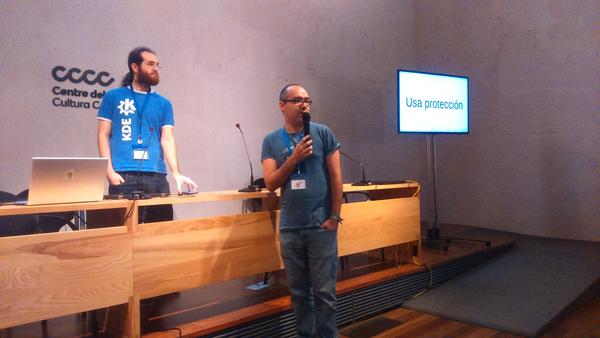
Y esta semana, y las que vienen, el blog va a ser casi un monográfico dedicado a la promoción tanto de este evento como el de su hermano mayor, Akademy que se celebrará los días posteriores.
De esta forma, el lunes hablamos de que se había abierto el registro para Akademy-es 2022 de Barcelona y ayer martes comentamos que había sido publicado el programa, con un total de trece charlas normales más las charlas relámpago. Será una oportunidad de aprender con gente destacada tanto de la comunidad KDE como del resto de comunidades del Software Libre, y en que se tratan temas como usos destacados del software KDE, personalización de Plasma, el futuro del Software Libre, el licenciamiento del software y la sostenibilidad.
Camiseta para Akademy-es 2022 de Barcelona #akademyes
Este año, como novedad tenemos la posibilidad de adquirir una camiseta del evento, una oportunidad única hasta la fecha y que tiene varios objetivos: poder llevarte un recuerdo de la primera Aakdemy-es presencial tras la pandemia y para mostrar con orgullo que participas en la difusión del Software Libre y de sus Comunidades.

Los detalles de la camiseta creada por Rosie «Mose» Matthews son los siguientes:
- Precio:
- Para asistentes presenciales a Akademy-es 2022: 22,5€
- Para asistentes en remoto que vivan en España peninsular o Baleares: 27,5€, incluyendo gastos de envío.
- Reserva al realizar la inscripción en Akademy-es 2022.
- Si vas a asistir presencialmente, podrás pagar y recoger tu camiseta en Akademy-es 2022 en Barcelona.
- Si vas a asistir en remoto y vives en España peninsular o Baleares, recibirás un email tras inscribirte para coordinar el pago y el envío.
- Desgraciadamente, no podemos asegurar que nos sea posible hacer el envío a Canarias o a otros países fuera de España.
- Si quieres pedir más de una camiseta, por favor, envía un email a akademy-es-org (en) kde-espana.org
Más información y tallas en Akademy-es 2022.
¿Qué es Akademy-es?
Akademy-es (#akademyes, que es la etiqueta para las redes sociales) es evento más importante para los desarrolladores y simpatizantes de KDE, que se ha ido celebrando desde el 2006 con éxito creciente.
En general, las Akademy-es son el lugar adecuado para conocer a los desarrolladores, diseñadores, traductores, usuarios y empresas que mueven este gran proyecto.
En ellas se realizan ponencias, se presentan programas, se hace un poco de caja para los proyectos libres (camisetas, chapas, etc) pero sobre todo se conoce a gente muy interesante y se cargan baterías para el futuro.
Podéis repasar las anteriores ediciones en estas entradas del blog:
- Camino Akademy-es 2013: Las anteriores ediciones (I): 2006 – 2008
- Camino Akademy-es 2013: Las anteriores ediciones (II): 2009-2010
- Camino Akademy-es 2013: Las anteriores ediciones (III): 2011-2012
- Anteriores ediciones de Akademy-es (IV): 2013 y 2014
La entrada Camiseta para Akademy-es 2022 de Barcelona #akademyes se publicó primero en KDE Blog.

PETSCII Robots on TheC64 Maxi or Mini with a SNES Controller

Request Page Redesign - Round Two
Programa de charlas de Akademy-es 2022 híbrida de Barcelona #akademyes
Como ya sabréis este año se celebra Akademy-es 2022 se celebrará en de forma presencial y en línea. Hoy se ha publicado el programa de charlas de Akademy-es 2022. Léelo y seguro que encuentras más de una razón para acompañarnos.
Programa de charlas de Akademy-es 2021 en línea #akademyes
El 29 y 30 de septiembre se va a celebrar Akademy-es 2022 de Barcelona que se celebrará en modalidad híbrida organizado por KDE España y que será la antesala de Akademy, el evento internacional de la Comunidad KDE.
Este año se volvemos a tener un gran programa de ponencias, que van desde lo último en Plasma y en proyectos KDE pasando por temas de hardware, programación, ciberseguridad y privacidad.
Y si no te lo crees simplemente échale un vistazo al programa.
Jueves 29 de septiembre
- 16:00 – 16:10 Ceremonia de apertura
- 16:15 – 17:00 Linux hoy y mañana – Aleix Pol, Presidente de KDE e.V.
- 17:05 – 17:30 Como hacer temas para KDE – Fabián Inostroza, Diseñador gráfico de temas para KDE – En remoto
- 17:35 – 18:15 Charlas relámpago
- Descanso
- 18:35 – 19:05 Albert Vaca, desarrollador KDE Connect
- 19:10 – 19:55 KDE y el SL, ante el horizonte de cambio – Rubén Gómez Antolí, KDE España
Viernes 30 de septiembre

10:00 – 10:25 KDE España – José Millán Soto, KDE España
10:30 – 11:15 ¿Dónde están las mujeres en la Wikipedia? – Ester Bonet, Wikimedia España y Wikimujeres Grupo de Usuarias
11:20 – 12:05 Software Libre en la Astronomía Amateur. Caso: Kstars – Juan Antonio González Herrera, Estrellas Compartidas – En remoto
Descanso
12:25 – 13:10 Los Services Menu: cómo aumentar tu eficiencia con Dolphin – Baltasar Ortega, editor de KDEBlog – En remoto
13:15 – 14:00 Licencias libres y derecho – Marelisa Blanco, nolegaltech
Pausa para la comida
15:30 – 16:15 REUSE: Indicar derechos de autor y licencias sin morir en el intento – Lina Ceballos, FSFE
16:20 – 17:05 Subtítulos y KDE – Juan Febles, editor de Linux Podcast – En remoto
17:10 – 17:55 LliureX: personalizando KDE a nuestras necesidades – Enrique Medina Gremaldos, equipo LliureX
18:00 – 18:45 Sostenibilidad en SL y permacomputing – Paula de la Hoz – En remoto
18:45 Ceremonia de clausura
Nota: Las charlas y horarios pueden sufrir ligeras modificaciones dependiendo de la disponibilidad de los ponentes
Vía: KDE España
La entrada Programa de charlas de Akademy-es 2022 híbrida de Barcelona #akademyes se publicó primero en KDE Blog.
Nightly syslog-ng container images
The syslog-ng team started publishing container images many years ago. For quite a while, it was a manual process, however, a few releases ago, publishing a container image became part of the release process. Recently, nightly container images have also become available, so you can test the latest features and bug fixes easily.
The syslog-ng images are still available under the Balabit namespace on the Docker hub. Balabit was bought by One Identity almost five years ago, and we stopped using the old company name years ago. However, there are many scripts, blogs and even books that feature this location, so changing the location would cause problems for many people. Not to mention, that moving to a new location would reset the download counter :-) Close to 50 million pulls over the years!
From this blog you can learn about the various container images the syslog-ng team provides. You can find basic information about how to use the syslog-ng container image at https://hub.docker.com/r/balabit/syslog-ng, where you can learn how to use your own syslog-ng configuration or open ports for syslog-ng.
syslog-ng logo
You can read the blog at https://www.syslog-ng.com/community/b/blog/posts/nightly-syslog-ng-container-images
Abierto el registro para Akademy-es 2022 de Barcelona #akademyes
Como ya sabrán los seguidores del blog, a diferencia del año anterior, Akademy-es 2022 se celebrará en línea el 29 y 30 de septiembre. Estamos cerca ya de su celebración y prueba de ello es que ha sido Abierto el registro para Akademy-es 2022 de Barcelona #akademyes, y en breve muchas más noticias sobre este evento.
Abierto el registro para Akademy-es 2022 de Barcelona #akademyes
Hace unos meses compartí con vosotros que este año Akademy-es 2022 se va a realizar de forma híbrida en Barcelona el 29 y 30 de septiembre, en una edición muy especial ya que volveremos a encontrarnos de forma física pero que seguirá siendo accesible para todo el mundo utilizando tecnologías de telecomunicación libres.
Siguiendo el esquema habitual cuando coincide con una Akademy, las charlas se celebrarán el jueves y el viernes, para dejar libre el fin de semana para las ponencias el evento Internacional.
Ya se tiene el programa preparado, con más de una docena de charlas tanto presenciales y en línea con todo tipo de temas: divulgativos, técnicos, éticos, etc.
En otras palabras, el evento se acerca y es por ello que ya se ha abierto el registro para Akademy-es 2022 de Barcelona, un registro que se realiza para tener un poco de control sobre el número de asistente y así poder tener una previsión de aforo y de otros detalles como refrescos, café o algo de comidad para las pausas para el café.
Y este año, como novedad, posibilidad de adquirir una camiseta del evento que sirve para poderte llevar un recuerdo y para mostrar con orgullo que participas en la difusión del Software Libre y de sus Comunidades. En breve más noticias.
¿Qué es Akademy-es?
Akademy-es (#akademyes, que es la etiqueta para las redes sociales) es evento más importante para los desarrolladores y simpatizantes de KDE, que se ha ido celebrando desde el 2006 con éxito creciente.
En general, las Akademy-es son el lugar adecuado para conocer a los desarrolladores, diseñadores, traductores, usuarios y empresas que mueven este gran proyecto.
En ellas se realizan ponencias, se presentan programas, se hace un poco de caja para los proyectos libres (camisetas, chapas, etc) pero sobre todo se conoce a gente muy interesante y se cargan baterías para el futuro.
Podéis repasar las anteriores ediciones en estas entradas del blog:
- Camino Akademy-es 2013: Las anteriores ediciones (I): 2006 – 2008
- Camino Akademy-es 2013: Las anteriores ediciones (II): 2009-2010
- Camino Akademy-es 2013: Las anteriores ediciones (III): 2011-2012
- Anteriores ediciones de Akademy-es (IV): 2013 y 2014
La entrada Abierto el registro para Akademy-es 2022 de Barcelona #akademyes se publicó primero en KDE Blog.

AlexaTM 20B : Amazon diz superar o GPT-3

Baseado nas informações da Amazon, o seu novo modelo superou o GPT-3 do OpenAI e também o PaLM da Google em diversos testes de NLP. Batizado como Alexa Teacher Models, o modelo de linguagem de seq2seq com 20 bilhões de parâmetros ainda não está disponível publicamente. Entretanto, mais dados disponíveis no paper e no blog da Amazon.
O modelo seq2seq é utilizado para resolução de linguagem natural como tradução, interação em chatbots, respostas e resenha. Diferente dos seus concorrentes, o Alexa Teacher (AlexaTM 20B) é um modelo que apresenta codificador e decodificador. Com isto teoricamente permite um maior desempenho em traduções automáticas. Mesmo apresentando menos parâmetros, o modelo da Amazon superou o fantástica GPT-3 alcançando excelente desempenho.
Actualización de septiembre del 2022 de KDE Frameworks
Estando en el mes previo a Akademy-es y Akademy híbridas de Barcelona siguen las entradas recurrentes de las actualizaciones mensuales de rigor que demuestra que los desarrolladores de KDE no dejan de trabajar en sus librerías. Así que se congratulan en anunciar la actualización de septiembre del 2022 de KDE Frameworks. Con esta se llega a la versión 5.98, un suma y sigue de compromiso y constancia que no parece que tenga un final cercano, y que ofrece una novedad, como mínimo, controvertida.
Actualización de septiembre del 2022 de KDE Frameworks
La razón de esta afirmación es que KDE Frameworks es básicamente la base de trabajo de los desarrolladores para realizar sus aplicaciones, es como el papel y las herramientas de dibujo para un artista: cuanto mejor sea el papel y mejores pinceles tenga, la creación de una artista será mejor.

De esta forma, las mejoras en KDE Frameworks facilitan el desarrollo del Software de la Comunidad KDE, haciendo que su funcionamiento, su estabilidad y su integración sea la mejor posible.
El xxxxxx xxx de septiembre de 2022 ha sido lanzado KDE Frameworks 5.98, la nueva revisión del entorno de programación sobre el que se asienta Plasma 5, el escritorio GNU/Linux de la Comunidad KDE, y las aplicaciones que se crean con para él.
Más información: KDE
La constancia del equipo de desarrollo de la Comunidad KDE
Hay que recordar que los desarrolladores de KDE decidieron lanzar actualizaciones mensuales de este proyecto y lo están cumpliendo con puntualmente. La idea es ofrecer pocas pero consolidadas novedades, a la vez que se mantiene el proyecto evolucionando y siempre adaptándose al vertiginoso mundo del Software Libre.
Una gran noticia para la Comunidad KDE que demuestra la evolución continua del proyecto que continua ganando prestigio en el mundo de los entornos de trabajo Libres.
¿Qué es KDE Frameworks?
Para los que no lo sepan, KDE Frameworks añade más de 70 librerías a Qt que proporcionan una gran variedad de funcionalidades necesarias y comunes, precisadas por los desarrolladores, testeadas por aplicaciones específicas y publicadas bajo licencias flexibles. Como he comentado, este entorno de programación es la base para el desarrollo tanto de las nuevas aplicaciones KDE y del escritorio Plasma 5.

Aquí podéis encontrar un listado con todos estos frameworks y la serie de artículos que dedico a KDE Frameworks en el blog,
Recuerda que puedes ver una introducción a Frameworks 5.0 en su anuncio de lanzamiento.
La entrada Actualización de septiembre del 2022 de KDE Frameworks se publicó primero en KDE Blog.
Speed Dreams – Juegos Linux (II)
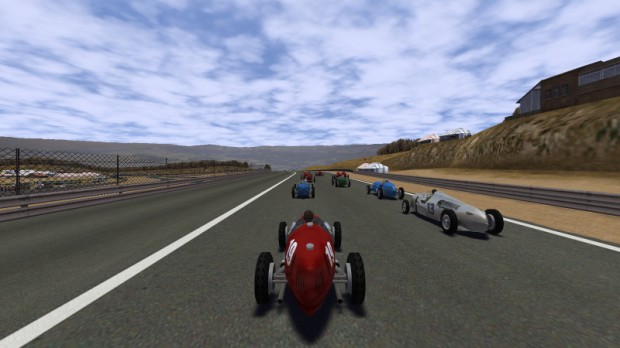
Sigo la serie que me apetecía mucho hacer ahora que tengo un poco de tiempo para escribir de temas más lúdicos. Empecé con The Battle for Wesnoth y sigo con Speed Dreams, un juego de simulación de conducción que también destaca por su alta calidad en cuanto a gráficos, jugabilidad y con una IA que mejora versión a versión.
Speed Dreams – Juegos Linux (II)
Como decía en la primera entrada, un buen número de jugadores se están uniendo al carro de los sistemas GNU/Linux gracias a la irrupción de la Steam Deck, y aunque eso significa la llegada de juegos privativos es un buen momento para recordar a juegos los nativos y libres que tenemos a nuestra disposición y que constituyen una buena puerta de entrada al mundo de la programación de este tipo de aplicaciones para aquellos que quieran empezar: aprendiendo al mismo tiempo que aportan algo al bien común.
Speed Dreams es una bifurcación del simulador de coches de carreras abierto Torcs, con el objetivo de implementar nuevas y emocionantes características, coches, pistas y oponentes de IA para hacer un juego más agradable para el jugador, así como mejorar constantemente el realismo visual y de la física.
Equipo de desarrollo de Speed Dreams
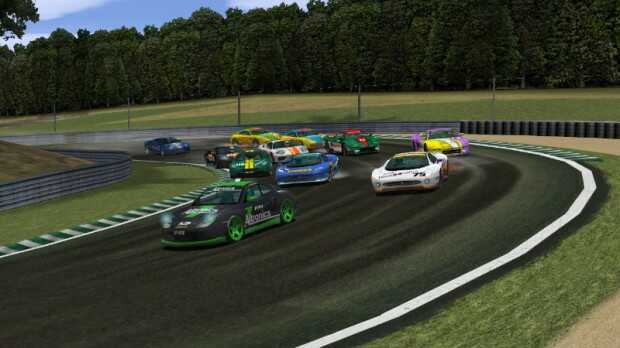
De esta forma nos encontramos con un juego escrito principalmente en C++ y publicado bajo GPL v2+ y Free Art License, siendo la versión más reciente la 2.2.3 de agosto de 2021. Estas características de juegos libre le confieren propiedades únicas que no encuentras en otros juegos de corte similar.
Speed Dream es un juego donde los desarrolladores pueden probar sus ideas y tener todas las posibilidades de hacerlas llegar a los usuarios finales (la democracia es el principio fundamental que rige a este equipo de desarrollo). Al mismo tiempo es un juegos donde donde los usuarios finales pueden disfrutar de la realización de estas ideas y dar su opinión al respecto, y/o hacer nuevas sugerencias.
Las características de Speed Dreams
La lista de características Speed Dreams son las siguientes:
- Simulador 3D de deportes de motor en tiempo real para jugadores y desarrolladores
- Física precisa que apunta al máximo realismo posible
- Gráficos de alta calidad
- 21 pistas HQ para correr
- 82 coches HQ ajustados en 16 conjuntos equilibrados y consistentes
- Muchos más coches y circuitos disponibles en la Comunidad
- 4 oponentes IA de primera clase para carreras emocionantes
- Totalmente abierto a cualquier trabajo de investigación, estudio o enseñanza (física, IA, gráficos, …)
- Soporte para muchos dispositivos de entrada (teclado, joypad, joystick, volante/pedal …)
- Funciona en Windows, Linux y Mac OS X
¿Cómo conseguir Speed Dreams?
Como se ha dicho anteriormente el juego está disponible para en Linux, Windows y Mac, por tanto os aconsejo ir a la página de descargas para ver todas las opciones.
No obstante, para KDE Neon la he instalada sin problemas mediante Flatpak aunque tiene un problema a reportar: no funciona en Wayland.
Contribuye al desarrollo
Las opciones para ayudar al desarroolo de Speed Dreams se focalizan en dos opciones:
-
Como usuario final puedes
- ayudar al equipo de desarrollo a probar las versiones preliminares
- sugerir mejoras, expresar tu apoyo o disgusto por los cambios
- hacer preguntas sobre problemas de compilación/instalación desde el código fuente
y todo eso a través de:
- la lista de correo de usuarios: speed-dreams-users@lists.sourceforge.net
- su rastreador de errores/características
- su sala de chat de usuarios en JabberFr
- en su chat IRC Freenode #speed-dreams
-
Como desarrollador tienes dos modalidades:
-
como colaborador invitado
- puedes proponer sus adiciones/mejoras como parches contra el último árbol de fuentes, y enviarlocomo archivos adjuntos a través de su lista de correo devel speed-dreams-devel@lists.sourceforge.net o nuestro rastreador de errores/características;
- puedes unirte a las discusiones diarias del equipo dev.
- puedes unirte a las discusiones diarias del equipo de desarrollo y a las reuniones mensuales en nuestra sala de desarrolladores en JabberFr;
-
como desarrollador registrado
- Todo lo anterior pero ahora tienes acceso de escritura al repositorio SVN y puedes simplemente confirmar tus adiciones/mejoras
-
como colaborador invitado
Más información en Speed Dreams Get Involved.
La entrada Speed Dreams – Juegos Linux (II) se publicó primero en KDE Blog.