
 rriemann
Lettera aperta: appello per uno spazio collaborativo di FAQ sulla protezione dei dati
| Versione in lingua | Inglese | Francese | Tedesco | Italiano |
|---|---|---|---|---|
| on-line | :gb: aperto | :fr: aperto | :de: aperto | :it: aperto |
| :gb: aperto | :fr: aperto | :de: aperto | :it: aperto |
Bruxelles, 6 giugno 2018
Cari professionisti della protezione dei dati e dell’IT,
Il nuovo Regolamento Generale sulla Protezione dei Dati (in breve RGPD) si applica a decorrere dal 25 maggio 2018. È costituito da 99 articoli e 173 considerando che occupano 88 pagine nella pubblicazione ufficiale. A differenza di un documento di normalizzazione tecnica, molti di questi articoli devono essere prima interpretati alla luce della giurisprudenza già consolidata e dei pareri precedentemente emanati dalle autorità di protezione dei dati. Di conseguenza, persino questioni di conformità per applicazioni relativamente semplici come una mailing list non possono essere risolti senza uno studio approfondito di diversi documenti giuridici. Concetti complessi come la privacy by design e la pseudonimizzazione sono fonte di molte domande a cui si deve ancora rispondere.
Allo stesso tempo, da molti anni nel settore dell’alta tecnologia si lavora a soluzioni agili che permettano la raccolta e il trattamento dei dati personali. Grazie a Google Sheets, Doodle, Mailchimp, o Wordpress, anche i non esperti, oggigiorno, possono diventare responsabili del trattamento di dati personali in pochi clic o passaggi. Lo sviluppo di protocolli peer-to-peer per database modulabili, come Bitcoin, Dat o IPFS, è in grado di ridurre ulteriormente le difficoltà iniziali per diventare responsabile del trattamento di dati, fino ad uno stadio di inconsapevolezza del responsabile.
Per consentire una rapida adozione degli obblighi di protezione dei dati e, di conseguenza, un aumento generale della qualità dei dati, è necessaria una formazione per i responsabili del trattamento dei dati e gli incaricati del trattamento e deve essere accessibile non solo a coloro che possono permettersi di dedicarvi le risorse. Per questo motivo, chiediamo la creazione di una banca dati di conoscenze collaborativa su internet sotto la licenza Creative Commons per garantire la sua ampia e continua disponibilità.
Finora, i consigli pratici liberamente accessibili sono spesso, se non per lo più, offerti da parti interessate che possono avere interessi commerciali in conflitto. Fornitori di servizi online, studi legali e istituti di formazione possono orientare la consulenza verso i propri servizi. Le licenze restrittive possono impedire che un buon consiglio venga condiviso liberamente. I consigli errati o datati potrebbero non essere aggiornati. Quest’ultimo punto è particolarmente importante in quanto la conformità al RGPD è un obiettivo mobile. Nuove sentenze o avanzamenti tecnici in materia di protezione della vita privata1 richiedono aggiornamenti continui.
Poiché la protezione dei dati è un settore interdisciplinare, la banca dati di conoscenza dovrebbe essere redatta congiuntamente da giuristi e ingegneri informatici e soddisfare le esigenze di entrambe le comunità. La piattaforma Stack Exchange fornisce alle comunità una soluzione software per domande frequenti (FAQ) collaborative. La piattaforma è ben nota alla maggior parte degli ingegneri informatici via stackoverflow.com e ha avviato più recentemente law.stackexchange.com2. La collaborazione è organizzata come segue:
- Le domande, le risposte e i loro metadati sono pubblicati su internet sotto una licenza gratuita (cc by-sa) e sono scaricabili e leggibili da dispositivo elettronico.
- Chiunque può chiedere o rispondere a una domanda.
- Le risposte migliori vengono votate.
- Gli utenti guadagnano in reputazione per ogni voto che ricevono.
- Gli utenti sbloccano dei vantaggi attraverso la reputazione guadagnata, così come la possibilità di commentare o votare.
- I moderatori sono eletti tra gli utenti e i principali utenti hanno accesso a strumenti speciali per aiutare a moderare.
Per fornire un’alta qualità globale delle risposte, i riferimenti alle fonti principali dovrebbero essere utilizzati laddove vi siano dei punti soggetti ad opinioni divergenti. Questa regola è anche utilizzata da Wikipedia e può essere applicata dagli moderatori e dagli utenti principali.
I firmatari supportano la creazione di tale banca dati collaborativa di conoscenze sulla protezione dei dati collaborativo sotto forma di domande frequenti.
Autori e firmatari iniziali:
- Robert Riemann, Brüssel
- Xavier Lavayssière, Paris
- Franz Ritschel, Köln
Contatto:
Se si desidera ricevere aggiornamenti o se si hanno domande, si prega di inviare la richiesta a gdpr-faq@riemann.cc. Se si desidera diventare firmatario, si prega di inviare una mail a gdpr-faq-sign@riemann.cc. Le richieste in lingua francese sono da indirizzare a gdpr-faq@lesbricodeurs.fr e per la firma a gdpr-faq-signer@lesbricodeurs.fr.
Elenco dei destinatari:
- Internet Privacy Engineering Network (IPEN), un’iniziativa del garante europeo della protezione dei dati
- Stack Overflow, la società dietro il famoso database di conoscenze stackoverflow.com per i programmatori
- European Digital Rights (EDRi), un’associazione di organizzazioni a difesa dei diritti civili e umani di tutta Europa
- i partecipanti all’edizione 2018 dell’Annual Privacy Forum (APF)
- il comitato organizzativo della conferenza internazionale Computer, Privacy and Data Protection (CPDP)
- una lista di singoli destinatari
-
Il RGPD richiede all’art. 25, dedicato alla protezione dei dati fin dalla progettazione e protezione per impostazione predefinita, che i titolari del trattamento dei dati debbano tener conto, tra le altre cose, dello stato dell’arte al momento di determinare i mezzi del trattamento e all’atto del trattamento stesso. ↩︎
-
law.stackexchange.com include già domande sul RGPD e la protezione dei dati. Tuttavia, riteniamo che la protezione dei dati personali meriti una sua propria piattaforma che comprenda anche altre discipline come l’ingegneria informatica o l’etica. ↩︎

Dukungan Video MP4/H.264 di openSUSE Leap 15.0

Setelah memasang Leap 15.0 di x260, ternyata saya tidak bisa memainkan gif ataupun video dari Facebook. Peramban yang saya gunakan adalah Firefox 60.0.1. Di lain sisi, memutar youtube tidak ada masalah. Dari hasil pengecekan https://www.youtube.com/html5 didapat bahwa format MP4/H.264 belum didukung oleh sistem operasi dan peramban.
Membaca wiki openSUSE ditautan https://en.opensuse.org/SDB:Firefox_MP4/H.264_Video_Support, masalah ini dapat diatasi dengan:
- Pasang repo packman,
- Pasang libav, sekalian memasang VLC
$ sudo zypper in vlc libavcodec56 libavcodec57 libavformat56 libavformat57 libavdevice56 libavdevice57
- Restart firefox, dan test kembali dukungan video di https://www.youtube.com/html5
Selesai. Horeee.
Estu~
 Member
GRUB2 submenus revisited
in /etc/default/grub, recreate your grub.cfg and voila: the submenus are gone.GRUB_DISABLE_SUBMENU="y"
The openSUSE Conference 2018
The openSUSE Conference 2018

I visited the openSUSE conference this year, it took place in Prague, at the same place as few years ago. You can check the schedule and the list of the talks here.
The Interesting Topics
Here are some interesting sessions I visited, for the complete list see the schedule link above.
-
If you want to share a service without a having a public IP address the tor network might be an option. Using setting up a service using Docker makes it really easy.
-
The package dependencies can be improved using
Supplementsdependency this way:Supplements: (foo and bar)This would automatically install the package when both packages are installed.
-
The openSUSE distribution is also yours, openSUSE is what you make it.
-
The openSUSE Kubic is a Tumbleweed flavor designed specially for running container workloads.
-
There is a tumbleweed-cli package which makes using the Tumbleweed snapshots much easier.
-
The transactional updates provide a completely new way how to update the running system.
-
The btrfs filesystem provides a lot of interesting features. But if something goes wrong it might a bit tricky to fix it. The most important thing is that the
btrfs check --repaircommand should used as the very last option (if at all). There are other more safe options to try first. -
Using the LetsEncrypt certificates should be much easier in the openSUSE Leap 15.0 because the automatic certificate renewal is supported out of box.
-
If you miss some packages in SLE which are present in openSUSE then the SUSE PackageHub might help you.
-
The OBS (Open Build Service) can also build container images, that can help with testing and distributing your packages. If you want to start in an easy way then you can choose from many image templates.
-
If you want to try the openSUSE Kubic you might be interested in some basic concepts behind.
-
Developing the community and the enterprise products separately has many disadvantages, it is much better to develop them together.
Portainer
One of the Kubic presentations mentioned the portainer.io project which looks really interesting.
If you are new to the Docker and the container world and you would like to use some GUI at the beginning to make the start easier than the portainer.io project looks very interesting. It provides a nice web UI for managing the Docker containers. And obviously it is provided as a Docker image.
What is nice that starting it is basically a matter of running two commands:
docker volume create portainer_data
docker run -d -p 9000:9000 -v /var/run/docker.sock:/var/run/docker.sock \
  -v portainer_data:/data portainer/portainer
Then point your web browser to http://localhost:9000/ and that’s it!

Conclusion
The conference was really good and I’d like to say thank you to the presenters, the organization team and the sponsors to make this happen!
Catatan Upgrade openSUSE Leap 42.3 ke 15.0
Bismillah ..
Pada tulisan kali ini saya hanya akan menulis bagaimana proses upgrade openSUSE Leap 42.3 ke versi terbaru yaitu 15.0 . Mengenai bagaimana performansi, yang terbaru serta peningkatan di versi tersebut disini Saya tidak akan menuliskannya. Namun Anda bisa membacanya di link official openSUSE atau di beberapa blog yang membahasnya.
Proses upgrade ini sama dengan proses upgrade di versi – versi sebelumnya. Dan Alhamdulillah, ternyata tulisan Saya yang sudah cukup lama masih sangat berguna dan Saya masih menggunakan metode tersebut ketika melakukannya. Anda bisa membacanya di link ini.
Catatan Error :
Proses upgrade kali ini ternyata saya menjumpai kendala, dan apa yang menyebabkanya saya tidak tahu. Yang pasti, proses upgrade terhenti ketika menginstal driver broadcom (kalau tidak salah) . Kemudian saya melakukan interupsi dengan menekan kombinasi tombol keyboardd ctrl+c untuk menghentikan proses upgrade. Setelah itu Saya mencoba mengulangi proses upgrade dengan mengetik zypper –no-refresh dup. kemudian muncul error seperti berikut.
zypper: error while loading shared libraries: libzypp.so.1600: cannot open shared object file: No such file or directory
Untuk mengatasi hal tersebut, ikuti langkah – langkah berikut.
- Pastikan komputer terhubung dengan LAN atau WiFi
- Install paket libzypp melalui Yast Software Manager atau jika Yast tidak berfungsi bisa menginstalnya secara manual dengan mengunduh paket tersebut di website Software openSUSE.
- Uninstall paket Zypper kemudian install kembali (re-install)
Setelah itu command zypper bisa berfungsi kembali.
Bisa jadi masalah yang Anda hadapi berbeda, namun dengan berbekal Googling InsyaAllah bisa teratasi.
Keyword : openSUSE 42.3, openSUSE 15.0, Upgrade, Instalasi, Leap

Getting XMind 8 to work on openSUSE Leap 15
XMind is my go-to mind mapping software for a few years now. More at https://www.xmind.net/
Challenge:
Using the XMind 8 Linux package (zip file) and following the, albeit brief, instructions at http://support.xmind.net/customer/en/portal/articles/2639667-begin-to-use-xmind-8-on-linux, you will see XMind launch with the GUI Splash screen but the program will fail and exit.
Root-cause:
XMind is a Java-based application and it is sensitive to the version of Java. The default Java runtime in openSUSE Leap 15 is OpenJDK version 10.0.1 (dated 2018-04-17).
Resolution:


Leap 15.0 Beta testing: Fujitsu U757 Laptop
 2 месяца назад нашел незначительный, но все же баг в ядре openSUSE Leap 15.0 (тогда еще это была Beta, build 174). Баг связан с лептопом Fujitsu U757 и воспроизводиться должен во всех дистрибутивах, т.к. проблема в upstream коде ядра.
Суть проблемы связана с поддержкой мультифункциональных клавиш, отвечающих за включение/выключение wifi.
Чтобы удостовериться, что kernel не обрабатывает нажатие клавиш, можно воспользоваться libinput. Это так называемый input device driver для X.org window system. С его помощью можно легко (в userland) отлавливать события, которые должны быть обработаны ядром. Так вот он показывал, что комбинация клавиш Fn+F5 при нажатии не давала никакого эффекта (F5 – это wifi-клавиша).
Тем не менее, при помощи rfkill wireless можно легко включить/отключить:
# rfkill list
0: phy0: Wireless LAN
        Soft blocked: no
        Hard blocked: no
# rfkill block 0
# rfkill list
0: phy0: Wireless LAN
        Soft blocked: yes
        Hard blocked: no
Как оно обычно и бывавает, много времени уходит на то, чтобы собрать достаточно материала. Долгое время я не был уверен, что делаю все верно. С толку сбивало и то, что в других дистрибутивах проблема воспроизводилась один в один. Я отключил Bluetooth в BIOS, чтобы только одно устройство влияло на работу LED на корпусе лептопа. Таким образом, LED должен был загораться при включении wireless и наоборот – тухнуть при выключении. Этого не происходило…
Я решил опробовать другие ядра. Я ставил ядро из репозиториев Kernel:stable (на тот момент это было ядро 4.15.13) и Kernel:HEAD (4.16 rc7-1). Это не решило проблему.
Спустя какое-то время я нашел в сети описание этой проблемы и патч. Я отправил bugreport. Такаши, один из разработчиков в Kernel Team, сказал мне, что патч будет принят в upstream в 4.17-rc1. В стандартное Leap-ядро этот фикс сразу же не попал, т.к. баг не слишком критичен, НО Такаши пересобрал ядро с этим исправлением для SLE15 и Leap15. Leap пользователи могут установить его отсюда. Это исправление будет в Leap совсем скоро официально, в виде maintenance update.
После установки этого ядра libinput отлавливает events:
# libinput debug-events

 -event7  KEYBOARD_KEY   +3.51s  KEY_RFKILL (247) pressed
  event7  KEYBOARD_KEY   +3.51s  KEY_RFKILL (247) released
В качестве заключения я хочу сказать всем разработчикам: слушайте свою интуицию, не давайте никому сбить вас с толку. Полагайтесь в первую очередь на свой опыт. Не слушайте коллег, которые подгоняют логику под увиденный результат. К сожаленью, часто бывает, когда вы стоите в шаге от правильного решения, но все же решаете посоветоваться, коллеги начинают вас переубеждать. Защайтесь. Не ленитесь перепроверить все еще раз.
Удачи! Have a lot of fun =)
Unit Testing Browser Extensions
This post has been migrated to my new blog that you can find here:
https://pureooze.com/blog/posts/2018-05-21-unit-testing-browser-extensions/
In April I became the maintainer of Saka, a browser extension that allows users to search through their tabs, bookmarks and history. The original goal of Saka was to provide an elegant tab search but this soon evolved to include recently closed tabs, bookmarks and history when the original maintainer eejdoowad recognized that users search for tabs the same way they search bookmarks and history. This was an important insight and it has helped make Saka a valuable productivity tool.
When I became the maintainer I was surprised at the absence of tests in the project. There were several components with complicated logic but no tests to be found anywhere. One of the most important things I have learned as a developer is that tests are the easiest ways to write reliable, easy to refactor code. Was the old maintainer just lazy? Did he simply not care about the quality of his code? No. The opposite in fact, he cared a lot.

The issue is that the lack of documentation on the topic means that almost no one is able to test their extension. Having no confidence in my ability to make changes without breaking the code, this was a big problem. But as fate would have it after trying a dozen different approaches I ended up finding a solution.
Why We Test
As developers we want to be sure that the code we write today is not going to become a burden to maintain later in the lifetime of the application. One way we avoid creating these burdens is by writing tests. The great thing about tests is that outside of just verifying the behavior of functions, tests allow us to provide documentation for future developers. For example by creating unit tests we declare the valid inputs and outputs for a given function. This makes it easier to refactor code because we can have confidence that our code is working correctly when all our tests pass.
The Testing Approach
This post will focus on setting up the environment and writing some basic unit tests. I have a separate post at this link which you can use to perform integration testing.
To read the rest of this post it can be found on my new blog here:
https://pureooze.com/blog/posts/2018-05-21-unit-testing-browser-extensions/
Unit Testing Browser Extensions was originally published in Information & Technology on Medium, where people are continuing the conversation by highlighting and responding to this story.
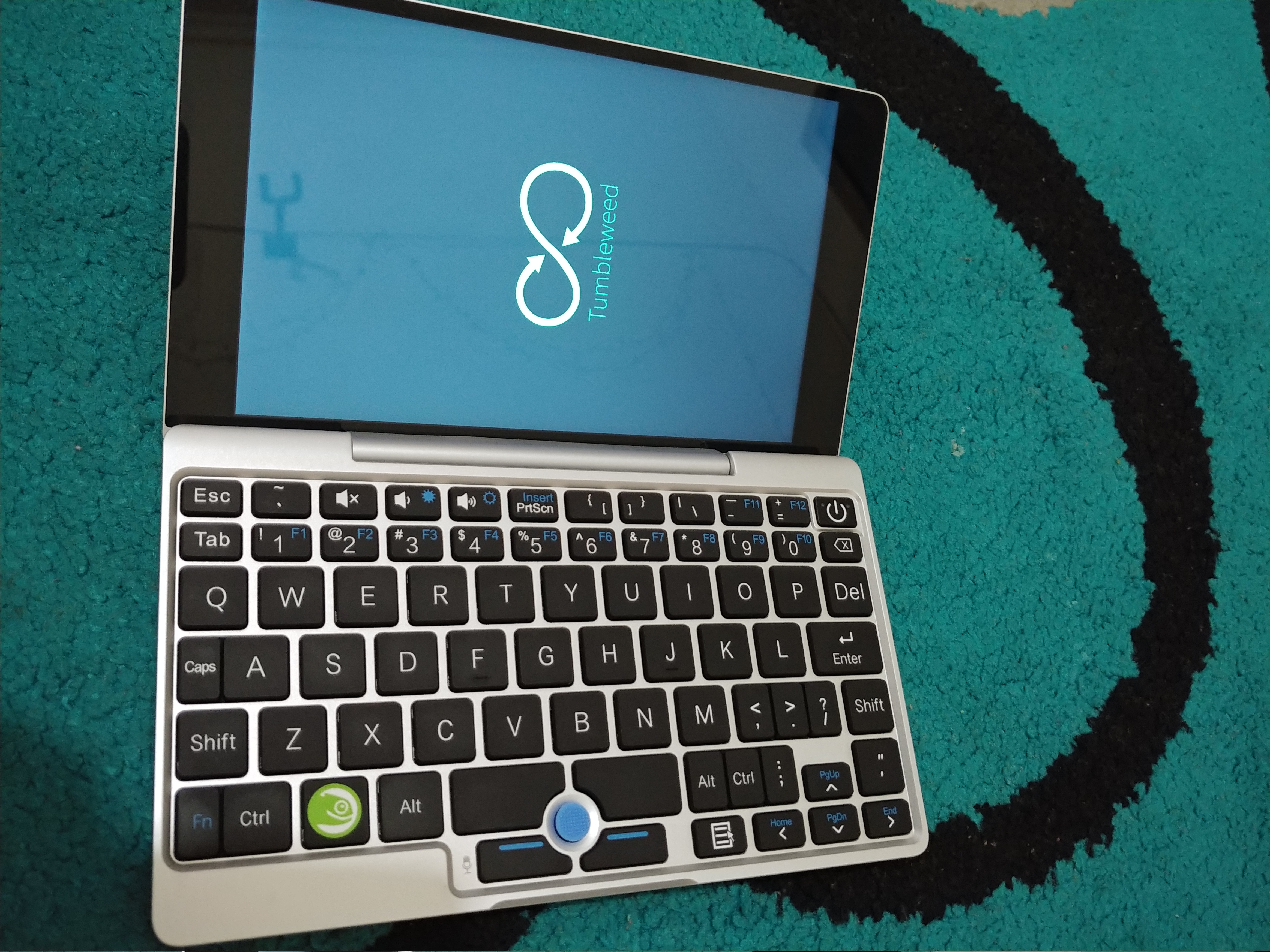
GPD Pocket with openSUSE Tumbleweed
I’ve been curious and interested with GPD Pocket since last year, when first time it announced (https://www.indiegogo.com/projects/gpd-pocket-7-0-umpc-laptop-ubuntu-or-win-10-os#/).
I bought this tiny machine 3 weeks ago on aliexpress. Shipping take only a day, but custom clearance takes almost two weeks.
First impression about this laptop was cute and good built quality.

Installing It with Linux
This machine preinstalled with Windows 10, I think it’s original but who cares. I need running linux on it.
I try Leap 15 for first time. Screen rotated -1 and wifi not working. Then I tried Ubuntu 18.04 and similar thing happen. I use iso from gpd site, Ubuntu 16.04 that already customized for GPD Pocket but not working (stuck at boot).
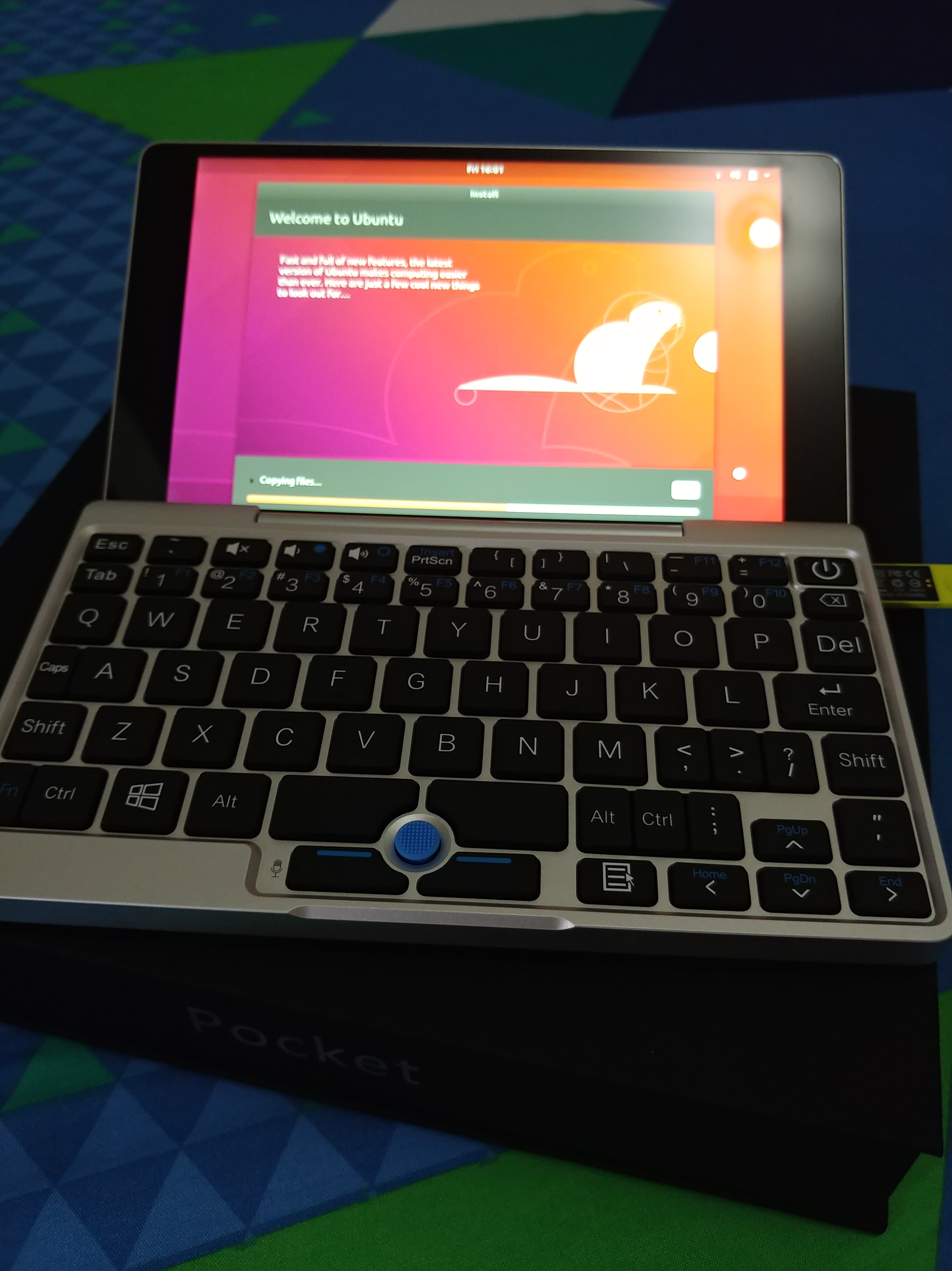
I read some documentation at https://github.com/stockmind/gpd-pocket-ubuntu-respin to rebuild Ubuntu 18.04 iso, but not working enough. So I use another methode, installing it then use update.sh to reconfigure all. It’s working. But I’m not satisfied in it. I wanna Tumbleweed on this machine.
I download openSUSE-Tumbleweed-DVD-x86_64-Snapshot20180520-Media.iso and dd-ing it to usb flashdisk then install. Of course when installing process, my screen was rotated -1. I choose GNOME Desktop. But after reboot, GNOME works fine except:
- wifi not working
- no battery applet, and system not recognize battery
Patch
Kukuh Syafaat, President of openSUSE-ID told me that Richard Brown (@sysrich) use GPD Pocket. So I ask Richard on twitter and he gave me clue in https://github.com/sysrich/salt-states/blob/master/opensuse/laptop.sls.
I use few lines from laptop.sls and it’s working well. I translated that salt script into plain bash script at https://github.com/princeofgiri/gpd-pocket-patch.
After reboot, Tumbleweed still not detecting the battery.
Use Another Kernel
I remember that Leap 15 can recognize the battery. So I download the kernel and installing it. Yes it’s work, but there’s new problem, when in charging mode, battery applet seems not know if that time is in charging mode.
So I decide to compile kernel by my self. Got the source from https://github.com/jwrdegoede/linux-sunxi.git and the result was cool. It’s works.

Notes
- I write this post using GPD Pocket
- I will write kernel compilation in another post
- Plymouth still rotated -1
GSoC students are already hacking!
We always enjoy that new people join openSUSE community and help them in their first steps. Because of that, openSUSE participates again in GSoC, an international program in which stipends are awarded to students who hack on open source projects during the summer. We are really excited to announce that this year four students will learn about open source development while hacking on openSUSE projects. The coding period started last week, so our students are already busy hacking and they have written some nice articles about their projects. :blush:

Matheus de Sousa Bernardo
Matheus is a Software Engineering student in the University of Brasília. He will be working in Trollolo, together with his mentors Ana Martínez (me :stuck_out_tongue_winking_eye:) and Cornelius Schumacher. Trollolo is a cli-tool which helps teams using Trello to organize their work. Matheus’ project includes improving Trollolo’s API and workflow. If you want to know more about him and his project, check his beginning blog post: https://matheussbernardo.me/gsoc/2018/04/24/hello-internet-gsoc
Xu Liana
Xu is a Software Engineering student in the Chongqing Normal University, China. She will work, together with her mentors ZhaoQiang, epico and Hillwood Yang, in integrating Cloud Pinyin (the most popular input method in China) on ibus-libpinyin. Check her beginning blog post with more details about her and the project: https://liana.hillwoodhome.net/2018/05/20/the-blog-for-the-first-week-during-gsoc-libpinyin-project-coding
Ankush Malik
Ankush is pursuing a Bachelor of Technology in Computer Science in the Maharaja Agrasen Institute of Technology, India. He will be working on improving people collaboration in the Hackweek tool, together with his mentors David Kang and Stella Rouzi. He just released his GSoC Journey blog post which you can find here: https://medium.com/@ankushmalik631/my-gsoc-journey-4f02818fdb8d
Asad Syed
Asad is from Pakistan and is studying a Masters degree in Informatics at the Technical University of Munich, Germany. He will develop a container-based backend for openQA with the help of his mentors Santiago Zarate, Ettore Di Giacinto and Stephan Kulow. Read here about his experiences with openSUSE and past participations in Google Summer of Code: https://medium.com/asadpiz/google-summer-of-code-2018-with-opensuse-part-1-9f514ac2e7ae
As you see, there is a lot of great work coming in from our new talented contributors. Stay tuned because they will keep blogging about their GSoC experience! :wink: