
 Member
 Futureboy
Adjusting Mouse Edge Stickiness in KDE Plasma

Picanha

Barbecue met groeten in de hoofdrol.
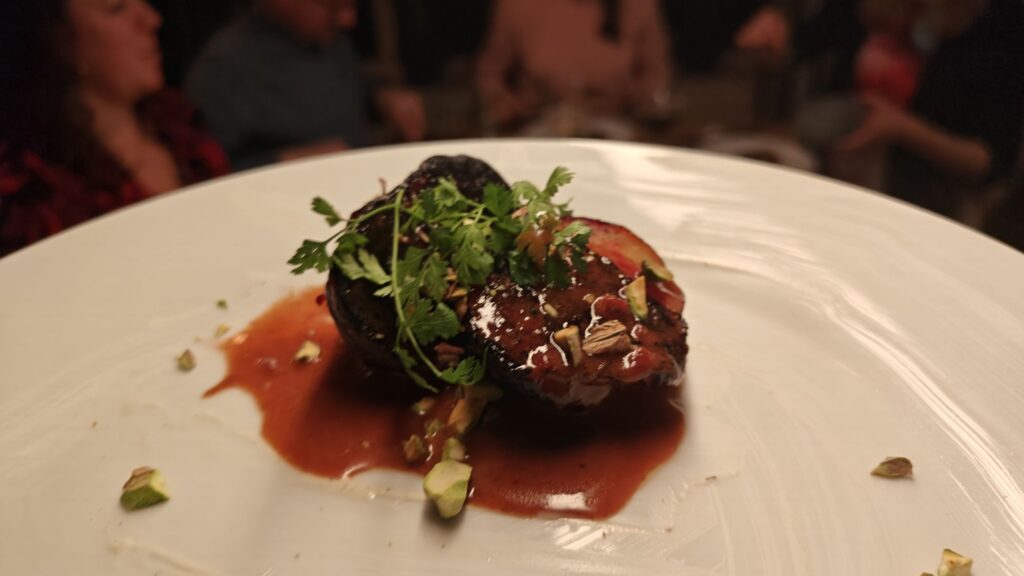
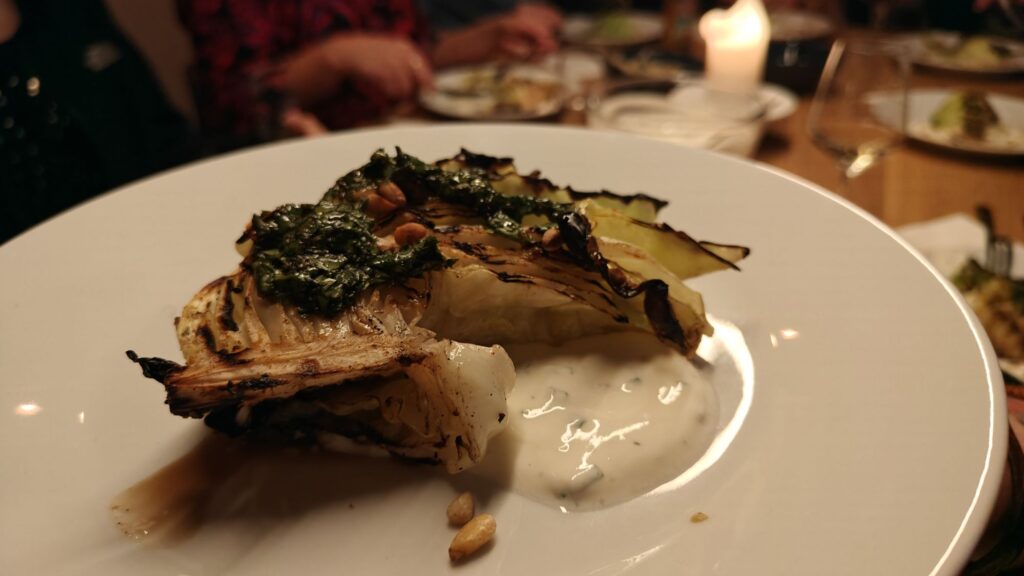
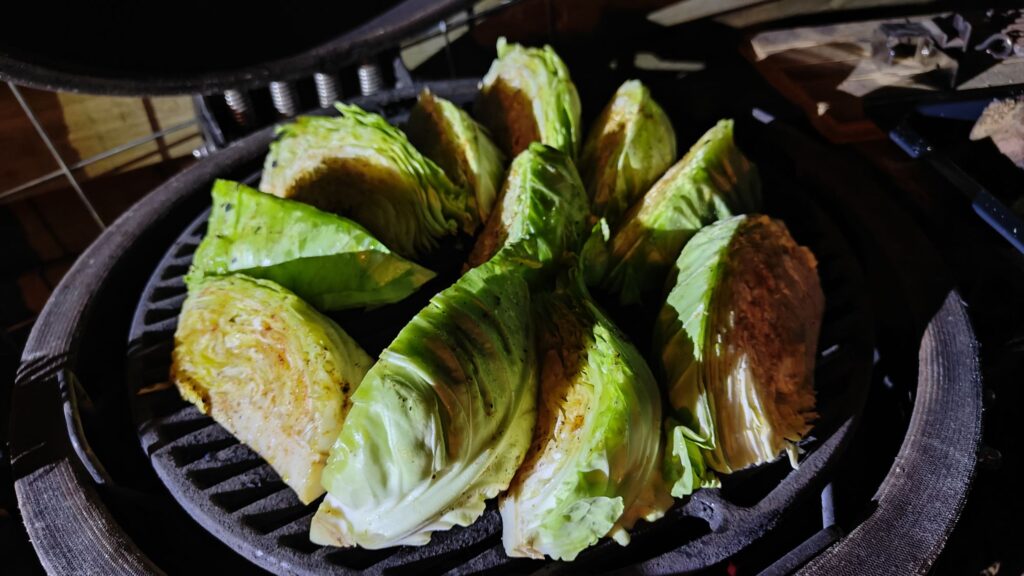
Barbecue met groenten in de hoofdrol.
American Pancakes

American pancakes met blauwe bessen en maple syrup.




Freedom Means Knowing What’s Installed
The Upgrade to Freedom campaign exists to remind users that better, community-driven operating systems to Microsoft Windows do exist and that there are alternatives that don’t compromise transparency, security or user trust.
As headlines highlight Windows missteps and questionable design decisions, now is the perfect time to explore what Linux distributions like openSUSE’s have to offer.
Users on most Linux distributions won’t wake up one day to find an unexplained system folder quietly added to their hard drive.
People won’t be told after the fact that deleting an empty folder called inetpub somehow exposed their system to attackers. And they won’t be left scrambling through news articles, forum threads, and vague documentation just to understand how a simple action led to a security risk and is now their problem to solve.
That’s because openSUSE is built differently. Its changes are transparent and trackable.
When a system changes, the user will know it. Updates are logged. Packages are versioned. Every file is traceable to the package it came from. If something gets added to the filesystem, users can see exactly why it was added.
System security with openSUSE is built on principle; not on secret folders. People won’t find out after deleting an unused directory that their system became vulnerable. In the openSUSE world, if something is essential, you’ll know it upfront, and it’ll be tied to a clearly installed package like apache2 or nginx.
Release teams don’t assume people want a web server or developer tools unless they explicitly install them. For people who want them, they will be prompted, informed, and given configuration options. They won’t get system directories or services that are unrelated to the actual needs of their system.
Why does this work a newcomer to Linux might ask? Because the community has oversight and keeps the system designers accountable. Every package, every change, and every system behavior in openSUSE is subject to community review and open discussion. This is why software release life cycles and testing are the norm and not the exception. If something odd shows up in an update, someone will notice and ask why before it lands on their machine.
There has never been a more optimal time to switch your system to a Linux distribution like openSUSE than now. It saves users money, extends e-waste from going to landfills and recycling centers, empowers creative professionals, gamers and more.
Download openSUSE Leap, Slowroll, Tumbleweed, Kalpa or Aeon and see what you’ve been missing. What are you waiting for? Make the switch today.
This is part of a series on Upgrade to Freedom where we offer reasons to transition from Windows to Linux.
Replace Windows, Not Your Device
The Upgrade to Freedom campaign has joined the End of 10 initiative to promote Free and Open Source Software as a sustainable alternative to Windows 10. Learn more at endof10.org.
Messaging around the end of Windows 10 support has been loud, urgent and, unfortunately, irresponsibly narrow.
In a recent article titled ‘Microsoft’s Free Upgrade Offer For 500 Million Windows Users,’, the advice given to users whose PCs don’t meet the requirements for Windows 11 states to recycle or landfill the device.
Let’s pause right there.
Rather than encourage users to reuse perfectly functional hardware with open-source alternatives like openSUSE, the suggestion to discard it not only perpetuates environmental harm, it completely ignores the thriving world of Linux distributions. This Forbes article promotes a false choice between buying new hardware or getting rid of it.
The upgrade eligibility criteria exclude hundreds of millions of PCs. TPM 2.0, Secure Boot and other artificial requirements have nothing to do with a system’s actual performance. What these new features do accomplish is force users to believe they need to buy new hardware rather than seek alternatives.
But these computers still work.
Recycling and landfills should be the last resort; not the default recommendation. The environmental toll of electronic waste is well documented. Replacing a laptop every few years because of arbitrary OS restrictions is not sustainable as highlighted by Joanna Murzyn at the 2024 KDE Akademy conference.
The open-source community has spent decades creating operating systems that run fast, are secure and function stable on modern and older machines alike. Look at openSUSE’s Leap, Slowroll, Tumbleweed, Kalpa, Aeon; these are just a few of the powerful Linux distributions people can install to breathe new life into their hardware. There are no activation keys; there are no hidden costs, and there are no surveillance features like Recall.
Linux has a different approach. It values privacy. Its code is open for a reason: transparency. It’s reviewed by a global community and supported by open-source companies and not tied to corporate lock-in. Security updates arrive quickly without requiring a purchase or subscription. Most importantly; you stay in control of your device.
With openSUSE and other Linux distributions, users can:
- Keep using their hardware long past Microsoft’s expiration dates
- Install professional-grade software at no cost
- Customize and control their computing environment
The Forbes article paints a bleak future for Windows 10 by declaring peoples devices ineligible and obsolete. This is misleading and irresponsible. People should not throw away their working computer and should settle on an OS that upgrades them to freedom rather than filling landfills and recycling centers.
Download an openSUSE flavor today at get.opensuse.org and discover an OS that respects your hardware, your privacy and your freedom.
This is part of a series on Upgrade to Freedom where we offer reasons to transition from Windows to Linux.

Tumbleweed – Review of the week 2025/15
Dear Tumbleweed users and rolling release aficionados,
Another week, another fresh batch of snapshots for openSUSE Tumbleweed! Week 15 of 2025 brought in three solid snapshots — 20250403, 20250405, and 20250409 — with a healthy mix of desktop polish, toolchain improvements, and a sprinkle of bug fixes across the board. Let’s take a quick dive into the highlights!
 Snapshot 20250403: KDE Plasma 6.3.4 – The Polish Continues
 Snapshot 20250403: KDE Plasma 6.3.4 – The Polish Continues
The entire KDE Plasma 6 stack received a minor bump to version 6.3.4, bringing incremental improvements and bugfixes across the board:
- Plasma Desktop, KWin, System Settings, Discover, and all your favorite Plasma companions now reflect this version.
- This update targets stability, performance, and visual consistency. No flashy new features, but plenty of refinement!
Other notables:
- libvirt 11.2.0 and QEMU 9.2.3 help keep your virtualization experience top-notch.
- mozilla-nss 3.109 landed, updating core TLS/SSL libraries.
-
Python world saw updates like
python-libvirt-python, ensuring compatibility with the new libvirt version.
 Snapshot 20250405: Core Stack Evolves
 Snapshot 20250405: Core Stack Evolves
This snapshot was all about the plumbing:
- btrfsprogs was bumped again to 6.14, continuing the evolution of the default Tumbleweed filesystem.
- libsolv and libzypp received updates, which help fine-tune package resolution and improve zypper performance and behavior.
- dracut received another SUSE-specific update, ensuring smoother initramfs generation.
- For devs and scripters, m4, ed, and python-gobject got modest version updates.
- sdbootutil was updated twice this week (again in 20250409), reflecting ongoing work around bootloader and Secure Boot handling.
 Snapshot 20250409: Gnome Touch-ups and Qt6.9 Lands
 Snapshot 20250409: Gnome Touch-ups and Qt6.9 Lands
This snapshot was a heavy hitter, especially for desktop users:
- Mozilla Firefox 137.0 brings the latest browser enhancements, performance tweaks, and security patches.
- The GNOME stack saw refinements:
- Updates to Gnome Control Center, Gnome Keyring, Remote Desktop, and more.
- These likely align with GNOME 48 maintenance polishing.
- GTK4 4.18.4 and libportal, libsoup, glib2 updates continue improving GNOME app responsiveness and interoperability.
Big win for Qt fans:
-
Qt 6.9.0 landed across the board — including all its modules from
qt6-basetoqt6-webengine. Expect compatibility improvements and performance boosts in Qt-based apps.
Other highlights:
- Mesa 25.0.3 and drivers updated again — always a treat for gamers and Wayland users.
- PHP 8.4.5 landed, bumping up both the interpreter and the Apache module.
- Kernel 6.14.1 and firmware updates bring the latest hardware enablement.
- poppler 25.04.0, ImageMagick, GIMP, and FFmpeg 7.1.1 updates round out a rich multimedia set.
 Tumbleweed’s Rolling Momentum
 Tumbleweed’s Rolling Momentum
This week showed the strength of Tumbleweed’s integration work: frequent Plasma and GNOME refinements, Qt and toolchain updates, and a healthy dose of backend upgrades.
As always: zypper dup is your friend. Roll forward, not backward!
Stay tuned, and until next time: keep rollin’!