
 sakana
三大雲平台工具容器升級小記 - ansible 2.11.10 / AWS Cli 2.5.6 / gcloud 381.0
三大雲平台工具容器升級小記 - ansible 2.11.10 / AWS Cli 2.5.6 / gcloud 381.0
OS: container with openSUSE Leap 15.3
上次升級是 2021/12/5 , 這次會來升級的原因是
更新 gcloud 以及 AWS Cli 版本
Ansible 在 2.10 以後的版本, 有很多 module 被移動到 Ansible Collections, 也就是說現在不是如同 Ansible 官網上面的 pip3 install ‘ansible[azure]’ 的安裝方式. 接下來就是透過 collection 方式來進行安裝
參考網路上的文章 https://stackoverflow.com/questions/64921336/warning-ansible-2-10-3-does-not-provide-the-extra-azure
微軟官網文章 https://docs.microsoft.com/zh-tw/azure/developer/ansible/install-on-linux-vm?tabs=azure-cli
這樣也是好事, 之前也是因為這樣報了一個 issue ( 目前還是有 Bug, 持續回報中 )
同步紀錄一下目前 Azure CloudShell 上面的 Ansible 資訊
Ansible: 2.10.2 / python 3.7.3

先整理結果
升級前
OS: openSUSE Leap 15.3
awscli: aws-cli/2.4.5 Python/3.8.8
gcloud: Google Cloud SDK 365.0.0
azure-cli: 2.30.0 (目前有 bug)
ansible: 2.11.6
升級後
OS: openSUSE Leap 15.3
awscli: aws-cli/2.5.6 Python/3.9.11
gcloud: Google Cloud SDK 381.0.0
azure-cli: 2.35.0 (目前有 bug)
ansible: 2.11.10
AWS CLI v2 安裝文件
GCP Cloud SDK 版本
另外執行 ansible --version 也會收到之後 ansible 需要 python 3.8 以上的告警, 訊息如下
[DEPRECATION WARNING]: Ansible will require Python 3.8 or newer on the controller starting with Ansible 2.12. Current version: 3.6.15 (default, Sep 23
2021, 15:41:43) [GCC]. This feature will be removed from ansible-core in
version 2.12. Deprecation warnings can be disabled by setting
deprecation_warnings=False in ansible.cfg.
這次的做法還是會透過 docker build 指令來進行
我有比較過 docker build 以及使用現有的 docker image 修改後再使用 docker commit 建立的 image 大小還是很有差異的
Dockerfile 的部分我是拿之前的 Dockerfile 來修改目前是 openSUSE Leap 15.3
修改細節
Update time
Google SDK 版本還有下載的檔案路徑以及檔案名稱
列出 diff 的結果給大家參考
> diff opensuseLeap153_ansible_20220417_Dockerfile opensuseLeap153_ansible_20211205_Dockerfile
6c6
< # update time: 20211205
---
> # update time: 20220417
76c76
< # Install google cloud SDK 365.0.0
---
> # Install google cloud SDK 381.0.0
78,79c78,79
< RUN wget https://dl.google.com/dl/cloudsdk/channels/rapid/downloads/google-cloud-sdk-365.0.0-linux-x86_64.tar.gz && \
< tar zxvf google-cloud-sdk-365.0.0-linux-x86_64.tar.gz && \
---
> RUN wget https://dl.google.com/dl/cloudsdk/channels/rapid/downloads/google-cloud-sdk-381.0.0-linux-x86_64.tar.gz && \
> tar zxvf google-cloud-sdk-381.0.0-linux-x86_64.tar.gz && \
Dockerfile 內容如下
我檔案的名稱取名爲 opensuseLeap153_ansible_20220417_Dockerfile
# openSUSE Leap 15.3 with ansible, azure-cli, aws cli, gcloud
FROM opensuse/leap:15.3
# Author
# MAINTAINER 已經棄用, 之後要使用 LABEL 方式
# update time: 20220417
LABEL maintainer="sakana@cycu.org.tw"
# Set LANG for UTF-8 - for Chinese
ENV LANG C.UTF-8
# Install python3-pip, upgrade pip, ansible, boto, boto3
RUN zypper refresh && \
zypper install -y python3-pip && \
pip3 install --upgrade pip && \
pip3 install ansible && \
pip3 install boto boto3
# Install openssh, set ls alias
RUN zypper install -y openssh
RUN echo "alias ls='ls --color=tty'" >> /root/.bashrc
# Install wget, download azure_rm.py, set permission
RUN zypper install -y wget
# azure_rm.py no need to download
# Starting with Ansible 2.8, Ansible provides an Azure dynamic-inventory plug-in
# https://docs.ansible.com/ansible/latest/plugins/inventory/azure_rm.html
# old azure_rm.py URL https://raw.githubusercontent.com/ansible/ansible/devel/contrib/inventory/azure_rm.py
#
# Create working directory in /root
RUN mkdir /root/.azure && \
mkdir /root/.aws && \
mkdir /root/playbook && \
mkdir -p /root/.config/gcloud && \
wget https://raw.githubusercontent.com/sakanamax/LearnAnsible/master/template/ansible.cfg && \
mv /ansible.cfg /root && \
wget https://raw.githubusercontent.com/sakanamax/LearnAnsible/master/template/hosts && \
mv /hosts /root
#### Azure ####
# Install azure-cli
# 2020/11/29 Still have az login issue in Github https://github.com/Azure/azure-cli/issues/13209
RUN zypper install -y curl && \
rpm --import https://packages.microsoft.com/keys/microsoft.asc && \
zypper addrepo --name 'Azure CLI' --check https://packages.microsoft.com/yumrepos/azure-cli azure-cli && \
zypper install --from azure-cli -y azure-cli
# Install Ansible azure module
# After ansible 2.10, some module move to ansible collect, change install method
RUN zypper install -y curl && \
curl -O https://raw.githubusercontent.com/ansible-collections/azure/dev/requirements-azure.txt && \
pip3 install -r requirements-azure.txt && \
rm -f requirements-azure.txt && \
ansible-galaxy collection install azure.azcollection
#install vim tar gzip jq unzip less bind-utils iputils groff
RUN zypper install -y vim tar gzip jq unzip less bind-utils iputils groff
RUN echo "set encoding=utf8" > /root/.vimrc
#### AWS ####
# Install awscli v1
#RUN pip3 install awscli
#RUN echo "source /usr/bin/aws_bash_completer" >> /root/.bashrc
# Install awscli v2
RUN curl "https://awscli.amazonaws.com/awscli-exe-linux-x86_64.zip" -o "awscliv2.zip" && \
unzip awscliv2.zip && \
/aws/install
RUN echo "complete -C '/usr/local/bin/aws_completer' aws" >> /root/.bashrc
#### GCP ####
# Install google cloud SDK 381.0.0
ENV CLOUDSDK_CORE_DISABLE_PROMPTS 1
RUN wget https://dl.google.com/dl/cloudsdk/channels/rapid/downloads/google-cloud-sdk-381.0.0-linux-x86_64.tar.gz && \
tar zxvf google-cloud-sdk-381.0.0-linux-x86_64.tar.gz && \
/google-cloud-sdk/install.sh && \
echo "if [ -f '/google-cloud-sdk/path.bash.inc' ]; then . '/google-cloud-sdk/path.bash.inc'; fi" >> /root/.bashrc && \
echo "if [ -f '/google-cloud-sdk/completion.bash.inc' ]; then . '/google-cloud-sdk/completion.bash.inc'; fi" >> /root/.bashrc
使用 docker build 指令建立 image
> docker build -t sakana/ansible_opensuse153:20220417 -f ./opensuseLeap153_ansible_20220417_Dockerfile .
使用 -f 指定 Dockerfile 名稱
最後是 ” . “ 目前的目錄
這邊有個網路問題自己小記一下, 不知為何, 在家中如果是用固定 IP, 可能是有走 IPv6, 在執行 docker build 就有連線問題, 切成浮動 IP 就沒有相關問題, 日後再研究
測試 container image
> docker run -v ~/.aws:/root/.aws -v ~/.azure:/root/.azure -v ~/.config/gcloud:/root/.config/gcloud -it sakana/ansible_opensuse153:20220417 /bin/bash
測試結果 OK, 建立 tag
這邊目前因為 openSUSE Leap 15 使用舊的 azure cli 以及相依性, 所以現在 az 指令會有問題, 已經 update issue 以及花了很多時間調整, 目前還是要等 openSUSE and Azure 看是否會有後續更新
目前 az 指令可能會暫時透過 Azure cloud shell, ansible with Azure 目前有問題, 後面要再測試
觀察資訊
> docker images
REPOSITORY TAG IMAGE ID CREATED SIZE
sakana/ansible_opensuse153 20220417 a1567b366f49 28 minutes ago 3.24GB
opensuse/leap 15.3 c3465720f52c 4 days ago 109MB
建立 tag
> docker tag a1567b366f49 sakana/ansible_opensuse153:latest
登入 docker
> docker login
上傳 image
> docker push sakana/ansible_opensuse153:20220417
> docker push sakana/ansible_opensuse153:latest
完工, 以後使用就用
> docker run -v ~/.aws:/root/.aws -v ~/.azure:/root/.azure -v ~/.config/gcloud:/root/.config/gcloud -it sakana/ansible_opensuse153 /bin/bash
額外小記: 又碰到 Azure 的認證資訊快超過一年了, 參考之前自己的筆記
http://sakananote2.blogspot.com/2020/05/azure-dynamic-inventory-with-ansible.html
使用 az ad sp list --all --output table | grep azure-cli 找出舊的認證,
刪除他 ex: # az ad sp delete --id d06f8905-ad21-425b-9da5-3e0bcf22a853
然後建立新的認證 ex: # az ad sp create-for-rbac --query '{"client_id": appId, "secret": password, "tenant": tenant}'
查詢 subscription_id, ex: # az account show --query "{ subscription_id: id }"
更新 ~/.azure/credentials 內的 client_id 以及 secret
~ enjoy it
Reference:
https://sakananote2.blogspot.com/2021/12/ansible-2116-aws-cli-245-gcloud-3650.html
http://sakananote2.blogspot.com/2021/05/ansible-2109-aws-cli-224-gcloud-3400.html
http://sakananote2.blogspot.com/2020/11/ansible-2103-azure-module.html
https://sakananote2.blogspot.com/2020/11/opensuse-leap-152-container.html
https://stackoverflow.com/questions/64921336/warning-ansible-2-10-3-does-not-provide-the-extra-azure
http://sakananote2.blogspot.com/2020/08/opensuse-leap-152-container.html
https://sakananote2.blogspot.com/2020/05/aws-cli-v2-with-opensuse-leap-151.html
http://sakananote2.blogspot.com/2020/01/python-3-with-opensuse-leap-151.html
http://sakananote2.blogspot.com/2019/07/with-opensuse-leap-15-container.html
http://sakananote2.blogspot.com/2019/05/ansible-azure-cli-awscli-gcloud-with.html
http://sakananote2.blogspot.com/2019/11/with-opensuse-leap-151-container.html
在 GCP 快速建立 openVPN 連線小記
在 GCP 快速建立 openVPN 連線小記
OS: openSUSE leap 15.3
之前有寫過 AWS Client VPN with openSUSE Leap 15.1
今天來寫如何在 GCP 快速建立 openVPN Server 來建立 VPN 服務
目的: 讓 Client 透過 VPN 進行連線, 可以透過 VPN 上 internet 也可以連線 GCP 內網
安裝 openVPN
參考官方文件
登入 GCP, 在 Marketplace
搜尋 openvpn access server
點選 OpenVPN Access Server

點選 啟動

如果是 g1-small 規格, 每月大概是 TWD 381.35
GCP 會使用 Deployment Manager 來進行佈署
如果過程當中有沒有啟用的 API, 就啟用他吧

進入到 Deployment Manager
基本上就是輸入名稱以及選擇 Zone

或是看一下硬碟的類型以及大小要不要換

其他的就先按照預設值
點選 佈署
佈署的速度很快, 然後右邊會出現相關管理資訊

點選資訊欄內的 Admin URL
然後使用 openvpn 以及 暫時密碼 登入

點選 Agree 接受授權

預設是 2 VPN connection allowed

接下來調整一些設定
到 CONFIGURATION -- > VPN Settings
這邊可以視需要調整 Client 是否可以透過 VPN 連到 Internet

如果允許就將 Should client Internet traffic be routed through the VPN 調整為 Yes
這篇文章以 Yes 為範例
如果允許 Client 連到 Internet, 可以一併調整 DNS Server 設定

Have clients use specific DNS servers 調整為 Yes
輸入要設定的 DNS Server, 我這邊以 google and Hinet DNS 為例
點選下方的 Save Settings
點選 Update Running Server


到 CONFIGURATION -- > Network Settings
確認目前設定的 IP 是否與 GCE 上面的 Public IP 符合

這邊提一下, 如果這個 VPN 服務是要長期使用, 可以將這個 GCE 的 Public IP 改為靜態 IP, 改完靜態 IP 後, 不要忘記檢查 Network Settings 是否符合.
最後來變更 openvpn 的密碼
使用 GCP 的 web ssh 登入到系統內, 切換身份為 root, 並使用 passwd 指令更換密碼

不知道為何, 我從網頁上去進行變更是沒有成功的, 但是用 Web SSH 來變更是沒有問題的
接下來進行 Client 的測試
開啟 Site address 連結

然後使用 openvpn 以及 剛剛更改的密碼 登入

接下來會出現相關資訊
如果是 Windows 或是 Mac 就下載對應的 Connect 版本

點選 Yourself (user-locked profile)
將 profile 下載

預設的檔案名稱為 client.ovpn
我使用的是 openSUSE Leap 15.3
連線的方式可以參考我之前的文章
我在 GNOME 的環境就方便的使用 NetworkManager 來進行連線
點選桌面右上角的按鈕 -- > 點選 設定值按鈕
點選左邊的網路
點選 VPN 右邊的 + 按鈕

點選 從檔案匯入

選取剛剛的 client.ovpn -- > 開啟
點選 加入

這邊注意一下 閘道是否是 我們的 VPN
設定使用者名稱與密碼
點選 加入
輸入管理者密碼來改變網路
由於 openVPN 是走 UDP port 1194, 所以本機的 firewall 也要開啟
#yast2 firewall
點選 左邊的 public Zone
點選 openvpn -- > 點選 Add
點選 Accept

完成 firewall 設定
在連線之前可以嘗試
透過 https://whatismyip.com/ 觀察對外 IP
ping GCP 同一內網的機器
在網路設定內啟用 VPN

驗證:
1. 是否可以連外, 然後對外 IP 是否有改變
可以嘗試到 What Is My IP 網站( https://whatismyip.com/ ), 看看自己的對外 IP, 是否有改變

2. 可以嘗試 Ping GCP 內網的 IP 來進行測試
如果一切順利, 透過 GCP Marketplace 的 openVPN Server, 可以在很短的時間內建立 VPN 連線
:)
~ enjoy it
Reference:
https://openvpn.net/vpn-server-resources/google-cloud-platform-byol-instance-quick-launch-guide/
https://sakananote2.blogspot.com/2020/03/aws-client-vpn-with-opensuse-leap-151.html

 Member
Cómo personalizar tu Plasma con tema global Moe – Vídeo
Hoy vamos a ponernos en modo «cambio de aspecto total de nuestro escritorio» y de la mano Arc Technologies vamos a aprender cómo personalizar tu Plasma con tema global Moe de Jorge Dangelo (aka jomada74) paso a paso mediante un vídeo.
Cómo personalizar tu Plasma con tema global Moe – Vídeo
Hace relativamente poco presenté los temas Moe, basados en Aether Dark de Ken Vermette, para Plasma, con los que Jorge Dangelo nos ofrecen unas decoraciones para el escritorio con desenfoques, transparencias, gradientes y toques rojizos. Y dado que Jorge piensa en todo, nos lo ofrece en dos estilos: claro y oscuro.

Pero claro, aunque simplemente aplicando en los Temas Globales de las preferencias del Sistema ya tenemos una gran parte del camino realizado, si queremos tenerlo 100% personalizado vale la pena trabajar un poco más. Y la mejor forma de hacerlo es seguir las instrucciones del mismo diseñador para tenerlo todo más ajustado.
En el vídeo de Arc Technologies nos cuentan como hacerlo desde cero, primero para el tema blanco y luego para el oscuro ya que además de aplicar el tema global debemos instalar otros componentes como el tema de Kvantum, Latte o color de consola, todo paso a paso para tenerlo perfecto.
Si os gusta el Tema Moe podéis «pagarlo» de muchas formas en la nueva página de KDE Store, que estoy seguro que el desarrollador lo agradecerá: puntúale positivamente, hazle un comentario en la página o realiza una donación. Ayudar al desarrollo del Software Libre también se hace simplemente dando las gracias, ayuda mucho más de lo que os podéis imaginar, recordad la campaña I love Free Software Day de la Free Software Foundation donde se nos recordaba esta forma tan sencilla de colaborar con el gran proyecto del Software Libre y que en el blog dedicamos un artículo.
Más información: Arc Technologies | KDE Store
La entrada Cómo personalizar tu Plasma con tema global Moe – Vídeo se publicó primero en KDE Blog.

DirextX 11 Steam Games on openSUSE Solved
Okular ha sido reconocido como primer programa ecocertificado Blue Angel
Hace relativamente poco tiempo que fue presentado KDE Eco, una iniciativa en la que se ha involucrado la Comunidad KDE en que se pretender certificar que las aplicaciones optimizan su consumo energético y, de eta forma, obtener un reconocimiento tácito de ese hecho. Es por ello que me complace compartir con todos vosotros que Okular ha sido reconocido como primer programa ecocertificado, un gran paso para la Comunidad.

Un tema que nos preocupa, al menos en mi entorno, es el alto consumo energético que necesita la sociedad humana. Incluso cosas como enviar un mensaje o leer un correo consume energía, tanto en tu dispositivo como en el servidor que te estará proporcionando la información.Sí, es poca, pero si sumas la gran cantidad que al día que se realizan estas acciones y lo multiplicas por los millones de usuarios que existen podemos pensar que esa cantidad no es nada despreciable, y reducir un poco ese consumo se traduce en una drástica reducción de dicha energía… ¡y al revés!
Es por eso que los desarrolladores concienciados en este hecho y organizaciones ecológicas están empezando a pensar seriamente en el consumo energético de las aplicaciones, y la Comunidad KDE está demostrando estar muy compremetida con esta inquietud. Así que está trabajando de forma colaborativa con el Proyecto de Eficiencia Energética FOSS (FEEP) y Blauer Engel para FOSS (BE4FOSS) para ayudar a las comunidades de código abierto y libre a producir software más respetuoso con el medio ambiente. Esta iniciativa tan loable ha recibido el nombre de KDE Eco y, bajo mi punto de vista, tendrá una importancia capital en el futuro.
De hecho, ya tenemos los primeros resultados.
Okular ha sido reconocido como primer programa ecocertificado Blue Angel

Si se consigue certificar que el Software creado cumple con las directrices del Blauer Engel para FOSS se consigue el sello que lo verifica y proporciona la seguridad que dicho software es lo más respetuoso que se puede ser en estos momentos.
Y eso es lo que ha conseguido Okular, que en palabras de el anuncio de su ecocertificación nos explican:
Okular, el popular lector de PDF multiplataforma y visor universal de documentos de KDE, ha sido reconocido oficialmente por su diseño de software sostenible, como se refleja en los criterios de adjudicación recientes para la ecocertificación de software.En febrero de 2022, Okular [recibió la etiqueta ecológica](https://www.blauer-engel.de/en/productworld/resources-and-energy-efficient-software-products Blue Angel, la etiqueta ambiental oficial otorgada por el gobierno alemán. Presentada en 1978, Blue Angel es la etiqueta ambiental establecida más antigua del mundo, y Okular es el primer producto de software certificado con su sello. ¡Además, Okular es el primer programa informático con certificación ecológica dentro de las 30 organizaciones de la [Global Ecolabelling Network]! Esta red, de la que Blue Angel es miembro, representa a más de 50 países.
Y para seguir con la promoción de esta iniciativa os invito visualizar y compartir de nuevo su vídeo de presentación.
Más información: KDE Eco | Primer programa informático con ecocertificación: Okular, el popular lector de PDF de KDE
La entrada Okular ha sido reconocido como primer programa ecocertificado Blue Angel se publicó primero en KDE Blog.

Travaux mi-Mars à mi-Avril 2022.
Pour ne pas entrer dans de la technique pure, voici un échantillon de ce qui nous a occupé ! Vous avez un ordinateur bien gonflé en mémoire vive entre 16Go et 32Go ou plus, beaucoup d’espace de disque dur ? Un i5 ou i7 ? Une adresse IP avec reverse DNS ? OK les conditions sont réunies pour installer …
Travaux mi-Mars à mi-Avril 2022.Read More »
The post Travaux mi-Mars à mi-Avril 2022. appeared first on Cybersécurité, Linux et Open Source à leur plus haut niveau | Network Users Institute | Rouen - Normandie.
Graba todo lo que pasa tu terminal con los comando script y scriptreplay
Puedes grabar una sesión de tu terminal en tu sistema GNU/Linux con el comando script y después reproducirlo mediante scriptreplay

Script y scriptreplay son un par de utilidades de linux, del paquete util-linux que nos servirán para guardar una serie de comandos que ejecutemos en nuestra terminal y después poder reproducirla.
Puede servirnos a la hora de realizar tutoriales, ya que a diferencia de vídeos, con script y scriptreplay podemos copiar directamente los comandos que se ejecutan en la terminal.
Todo está realizado con texto plano, nada de vídeos. Vamos a ver cómo grabar nuestra terminal.
Este artículo está basado en un artículo en inglés escrito por Seth Kenlon publicado bajo una licencia CC 4.0 by-sa y que puedes ver en este enlace:
Grabando la terminal
Para comenzar a grabar la terminal con el comando script, necesitamos proporcionar dos archivos de destino donde se guardará lo necesario para después volver a reproducirlos.
Necesitamos proporcionar el nombre del archivo de tiempo y el archivo donde se guardará todo lo que vayamos escribiendo al grabar la sesión. Por ejemplo:
script --timing=tiempo.tm mi_script
Con esto, el script guarda el archivo de los tiempos en un archivo llamada tiempo.tm y todo lo que vayamos escribiendo en un archivo llamado mi_script. Podemos llamarlos como queramos.
Aunque tal como dice la página man de script, la opción –timing está en desuso en favor de la opción –log-timing en el que podemos guardar los tiempos en dos formatos, clásico o avanzado.
Además si no especificamos ningún otro archivo script nos creará un archivo llamado typescript. Así que el comando anterior lo podemos sustituir por este:
script --log-timing mi_script
Al ejecutar cualquiera de los comandos anteriores, se empezará a grabar en texto plano todo lo que vayas escribiendo y vaya sucediendo en tu terminal.
Para detener la grabación podemos hacerlo mediante Ctrl+D o escribiendo exit.
Reproducir un script grabado
Cuando hemos finalizado la grabación de nuestra sesión de la terminal, podremos reproducirla mediante el comando scriptreplay y dándole los archivos a reproducir como argumentos:
scriptreplay --timing=tiempo.tm mi_script
Reproducir un archivo script es totalmente seguro, es decir, los comandos que se muestran no se están ejecutando realmente. Si se está ejecutando un comando rm -Rf esto no afecta a nuestro equipo.
Simplemente se reproduce lo que se grabó, no ejecuta esos mismos comandos en nuestro equipo, así que sin problemas.
Utilizando script y scriptreplay
Desconocía este par de utilidades, pero parecen muy útiles a la hora de enseñar comandos de manera didáctica o de compartir una sesión viendo qué pasos hay que seguir para realizar cierta tarea.
A diferencia de las capturas de pantalla, con estas opciones los archivos generados son más ligeros, y son texto plano, que se puede ver que hay dentro y se tiene la opción de poder copiar un determinado comando directamente desde lo que se está reproduciendo.
¿Qué te ha parecido a ti? Si usas un equipo con GNU/Linux seguro que ya tienes instaladas estas dos utilidades, así que te animo a probarlas y darles uso.

Novedades del Slimbook One, el mini pc con Linux
Los que me conocen saben que soy fan de los productos Slimbook. En la actualidad tengo un ultrabook Pro de 13 pulgadas, un One y un Kymera. La razón es que son unos dispositivos que puedes adquirir con el sistema operativo libre de serie, lo que garantiza que tu sistema GNU/Linux funcionará a la perfección. Además, el compromiso de la compañía con la Comunidad linuxera está más que contrastada y, por tanto, vale la pena apoyar su existencia (no, la entrada no está patrocinada). Es por ello que no tengo ningún problema en promocionar sus productos en el blog y comentar las novedades del Slimbook One, un pequeño PC ideal por su rendimiento, consumo y potencia.
Novedades del Slimbook One, el mini pc con Linux
Con un tamaño un poco mayor a un móvil actual, aunque un poco más gordito, nos podemos comprar un Slimbook One, un mini PC de los ensambladores valencianos que está recomendado tanto para utilizarlo en nuestro salón de casa como en nuestra pequeña oficina o como centro de juegos.
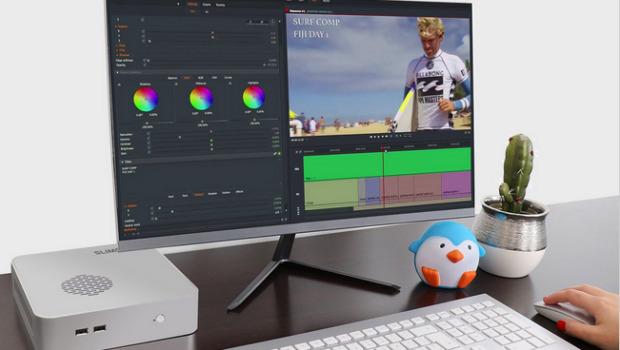
Desde que presenté el Slimbook One en el blog en el 2016, los chicos y chicas de esta compañía no han dejado de repensar el producto. De hecho se ha hecho un poco más grande, ha cambiado de color, tiene más puertos USB, ha ganado potencia y opciones de almacenaje, pero manteniendo el consumo eléctrico, algo importante en la actualidad.
El resultado es un dispositivo que sigue siendo pequeño y es precioso, con lo que puede quedar perfecto incluso para el salón más coqueto, como podéis ver en la imágenes de esta entrada.
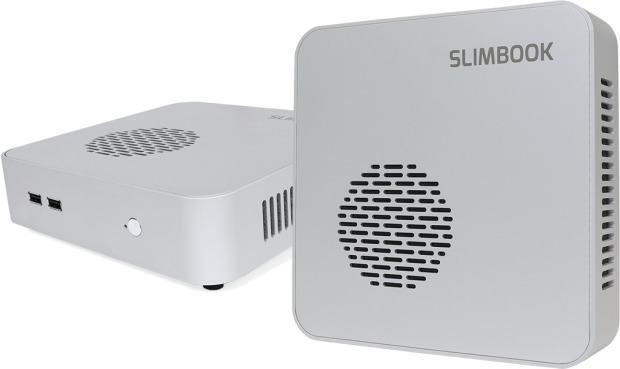
Además, este mes de abril ha recibido una serie de mejoras «bajo el capó» que lo hacen todavía más potente ya que ahora llevan una CPU AMD RYZEN 9 5900HX, un nuevo disipador con heatpipes para bajar más su temperatura de trabajo y la posibilidad de añadir un tercer disco duro, con lo que podemos tener un SSD M.2 y dos discos SATA3.
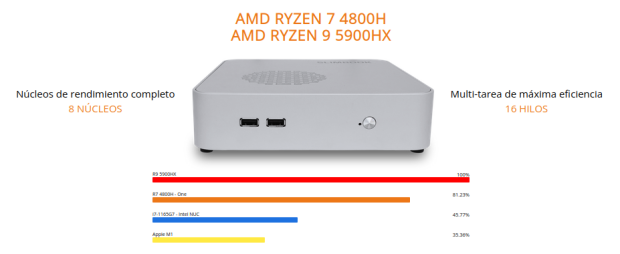
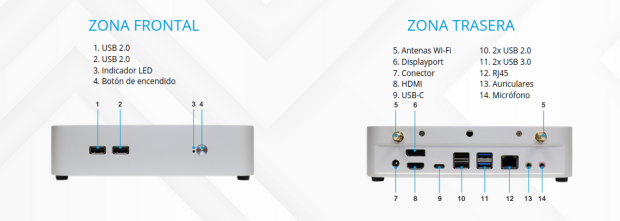
Sus características básicas en la actualidad son las siguientes:
- Procesador AMD Ryzen 9 5900HX
- Puertos USB 3.0: 2
- Puertos USB 2.0: 4
- Puertos USB C: 1
- Puertos HDMI: 1
- Red RJ45: Gigalan
- Wifi: 6
- Memoria RAM: 8GB (ampliable)
- Disco duro SSD: 250GB SS (ampliable)
- Disco duro mecánico opcional
- Sistema Operativo a elegir GNU/Linux sin aumento de precio o Windows, pagando la correspondiente licencia.
Desde el blog, apoyo al máximo esta nueva iniciativa, os invito a conocer más sobre Slimbook One y deseo a la empresa que siga creando productos de alta calidad a un precio ajustado pensando en la Comunidad GNU/Linux.
La entrada Novedades del Slimbook One, el mini pc con Linux se publicó primero en KDE Blog.
Disponible Moodle 4.0, la evolución de los cursos virtuales libres
Me complace anunciar que ya está disponible Moodle 4.0, el gestor de cursos virtuales libres que sigue mejorando y que en esta cuarta gran rama nos ofrece muchas novedades y que seguro que la hará más atractiva tanto para los docentes como al alumnado.
Disponible Moodle 4.0, la evolución de los cursos virtuales libres

Dentro de las herramienta de gestión de aprendizaje (LMS), o más concretamente de Learning Content Management (LCMS), de distribución libre, puede que Moodle sea la más conocida, aunque algunas evolucionen y cambien de nombre, como es el caso de Aules de la Comunidad Valenciana.
Esta aplicación está escrita en PHP y su primera versión data de agosto de 2002, lo cual le confiere una larga y provechosa trayectoria. Sus posibilidades educativas son numerosas y su uso está extendido en centenares de Comunidades, facilitando la educación online cuando forzosamente tuvimos que realizarla.
Las posibilidades de Moodle son asombrosas ya que no solo permite compartir recursos y materiales sino que nos permite utilizar un sistema de webconferencia integrado como Big Blue Button y llevar un control milimétrico de tareas y puntuaciones del alumnado, eso sin contar con las crecientes posibilidades de gamificación de los cursos.
Pues bien, su evolución continua y ha sido anunciado que ya está disponible Moodle 4.0 que llega, en palabras de sus desarrolladores con: «una nueva interfaz contemporánea, una navegación intuitiva con pestañas y una experiencia de curso redefinida que facilita a los educadores o capacitadores crear y editar cursos y a los alumnos reducir las distracciones y priorizar el trabajo del curso.«
Y para demostrarlo, nada mejor que el vídeo que han utilizado para presentar esta nueva versión que, la verdad sea dicha, tiene muy buena pinta.
Personalmente quiero comentar que utilizo Moodle de forma casi diaria y que la versión 3.x en la que cuelgo los materiales de mis cursos ya es una versión robusta, refinada y que funciona a las mil maravillas, así que las mejoras visuales y de gestión que parece que nos proporciona esta nueva versión van a ser bienvenidas para mejorar tanto la experiencia del docente como del alumno.
Más información: Moodle | Wikipedia
La entrada Disponible Moodle 4.0, la evolución de los cursos virtuales libres se publicó primero en KDE Blog.
Phishing and spear phishing: report everything!
After 30 years of using the Internet and trying many communication formats, e-mail is still my favorite. However, e-mail has many problems. Spam is just annoying, but phishing and especially, spear phishing attacks can also be dangerous. A recent security training, and a Twitter thread I started about it, changed my mind completely about how I treat these harmful e-mails.

phishing (fishing :-) )
The old way
While most spam and some phishing can easily be filtered, spear phishing messages are unique by their nature. The way they try to trick users into clicking URLs, giving out sensitive data is improving each year. Of course, using e-mails as my primary communication form also means that most of the time it takes me less than a second to realize that an e-mail is problematic. For most of the past three decades, my immediate reaction was deleting these e-mails.
Ticketing
A couple years ago, my employer recommended opening a ticket if I run into a phishing e-mail. However, the problem with this is that tickets add a big overhead both to the reporter and to the department handling them. Which meant that I reported only a few tricky cases each year, when it took me more than a couple of seconds to decide that an e-mail is problematic. For the rest, I kept deleting them, as it allowed me to avoid the overhead of ticketing.
Everything? Everything!
Recently, I participated in a security training course where I was asked to report any kind of phishing e-mail to IT security. I was really surprised. Reporting everything has a huge overhead. Is it really necessary? I asked my Twitter followers, many of them working in infosec, and I also asked our IT department. The short answer from both of them was yes, because of two reasons.
First of all, as someone who spent almost three decades in infosec, I have no problem identifying problematic e-mails. But there are a lot more people without this experience. Reporting even trivial phishing e-mails can help saving these people from opening or responding to problematic e-mails.
The good news is that while previously, we needed to use a ticketing system to report problematic e-mails, now it’s just a simple click in the e-mail client. Most of the overhead is gone, so I just need to make sure that instead of deleting the e-mail right away, I report it instead.
Secondly, reporting all phishing e-mails also helps security to estimate the size of the attack and how much it is targeted. Reporting also means that instead of just defending myself, I can help to defend the rest of the users as well. As the security team can see the problematic e-mails on a centralized dashboard, they can identify phishing campaigns early, and so they can delete problematic e-mails from most users’ mail box, even before they could open them.