
 Member
 Victorhck
Utilizando las sesiones en el editor Kate
Las sesiones del editor Kate nos sirven para abrir en el editor un conjunto de archivos que necesitemos para diferentes tareas a la hora de editar

El editor Kate de KDE es un gran editor de texto que actualización tras actualización va ganando en funcionalidades y mejoras y que si usas Plasma como escritorio, te animo a que lo pruebes y lo adaptes a tus gustos.
En este artículo voy a dar a conocer una funcionalidad del editor que quizás no es muy conocida y que puede ser muy interesante. Me refiero a las sesiones.
Con las sesiones de Kate, podremos configurar que cada vez que abramos en Kate alguna sesión, se nos abra automáticamente en el editor un conjunto de documentos en diferentes pestañas o en la configuración que deseemos.
Vamos a suponer que estamos trabajando con el editor Kate como editor de texto, en un par de proyectos. Por ejemplo uno es un libro que estamos escribiendo y otro es un proyecto de software libre en el que estamos colaborando.
Cada vez que trabajamos en nuestro libro abrimos la página en la que estamos escribiendo, pero también otro documento con notas que vamos tomando y otro con un resumen de los protagonistas del libro y ciertos datos biográficos que hemos ido detallando.
En nuestro otro proyecto en el que colaboramos, un proyecto de software libre, en el que aportamos pequeñas partes de código, abrimos siempre los mismos tres archivos que son principalmente donde aportamos nuestro granito de arena.
Las sesiones del editor Kate nos sirven para que cada vez que vayamos a trabajar en el libro o en el proyecto de software libre, Kate abra de manera predeterminada unos u otros documentos, sin necesidad de ser nosotros quienes lo hagamos manualmente, buscando y seleccionando.
Para ello abrimos Kate y los archivos que deseamos. En el ejemplo, ara el proyecto del libro, abrimos los archivos libro.md, notas.md y personajes.md. Se nos abrirán tres pestañas con los documentos recién abiertos.
Ahora vamos al menú Sesiones → Guardar sesión como… y le ponemos un nombre, por ejemplo «Libro».
Podemos cerrar esos archivos y abrir los que necesitamos cuando colaboramos con el proyecto de software libre, por ejemplo los archivos: index.html, README.md y style.css
Esta vez los dos primeros archivos los abriremos en sendas pestañas y el tercero en una división vertical. Y de nuevo abrimos el menú Sesiones → Guardar sesión como… y le ponemos un nombre, por ejemplo «hack».
Ahora cada vez que vayamos a trabajar en uno de estos proyecto, iremos al menú Sesiones y podremos escoger con el menú Sesiones recientes o Todas las sesiones y al seleccionar una sesión u otra nos abrirá los documentos que habíamos establecido.
Las sesiones se pueden cambiar, si en la sesión libro cerramos un archivo y abrimos otro distinto y cerramos el edito, al abrir Kate de nuevo y seleccionar la sesión, se abrirá tal como la habíamos cerrado.
También podemos hacer que cada vez que se abra el editor Kate, abra una sesión en particular o nos pregunte por la sesión que queremos abrir.
Para ello, vamos al menú Preferencia → Configurar Kate… y en el apartado Sesión podremos configurar ese comportamiento al inicio de la aplicación Kate.
Esta es una de las muchas funcionalidades útiles que tiene el editor Kate de la comunidad KDE que quizás nos pueda resultar muy útil y ahorrarnos tiempo.
¿Usas el editor Kate? ¿Conocías esta funcionalidad? Comparte tu opinión en los comentarios del blog.

19 herramientas libres para crear contenidos
Hoy vamos de compartir algo que no he hecho yo pero que me hubiera gustado. Y es que os presento 19 herramientas libres para crear contenidos, una infografía del CEDEC, el Centro Nacional de Desarrollo Curricular en Sistemas no Propietarios que vale la pena promocionar para que llegue al máximo número de usuarios.
19 herramientas libres para crear contenidos
Debo reconocer que no conocía ni el CEDEC ni la Guía del Software Libre en Educación, por lo que ha sido un agradable descubrimiento que creo que me va a venir muy bien y que voy a utilizar en más de una ocasión.
Así que me complace presentaros una infogragía en las que se presentan 19 herramientas libres para crear contenidos que han sido extraídas de la Guía del Software Libre en Educación que os podéis descargar libremente. Una infografía que estaría bien que estuviera presente en todas las salas de profesores para que éstos tengan una referencia rápida para cuando nos ponemos creativos.
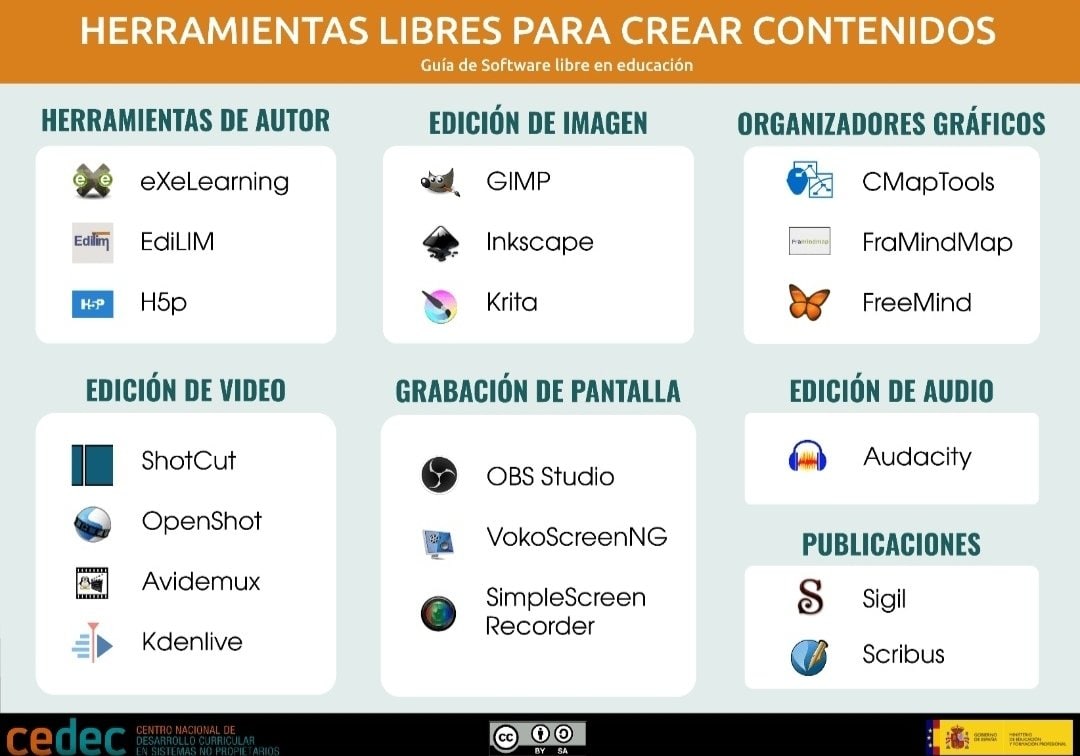
Si os visitáis el artículo original podréis ver la descripción de cada una de ellas pero yo solo quiero comentar aquellas que desconozco:
- EdLIM: creador de Libros Interactivos Multimedia, creado y mantenido por Fran Macías, genera archivos HTML, llamados libros, donde en cada página hay actividades de las que tiene más de 30 tipos diferentes. Disponible para todos los sistemas operativos sin instalación.
- H5P: entorno de trabajo que permite la creación de actividades interactivas en diversas plataformas como Moodle, WordPress, etc. Disponen de un servidor propio de pago para poder alojar las actividades en http://h5p.com
- Framindmap: aplicación online de creación de mapas mentales proporcionado por Framasoft que nos permite la creación de los mapas utilizando el navegador. La exportación del mapa puede realizarse en el formato svg que puede ser abierto por un gran número de programas.
- Sigil: editor para la creación de libros en formato digital, ePub. Es un programa sencillo de utilizar que sin conocimientos técnicos sobre lenguajes de marcas (lenguajes basados en etiquetas, como el HTML de las páginas web) permite la elaboración de libros.
La entrada 19 herramientas libres para crear contenidos se publicó primero en KDE Blog.
Mid Semester Perkuliahan
Pekan ini dan pekan depan adalah jadwal mid semester. Alhamdulillah dosennya baik, sehingga mid semester untuk beberapa mata kuliah memiliki jadwal berbeda dan masing-masing punya mekanisme sendiri.
Untuk mata kuliah Business Intelligence misalnya, mid semester dalam bentuk presentasi hasil pengolahan data yang diambil dari UCI atau Kaggle Dataset. Dapatkan data, overview data awal, check exploratory data analysis (EDA), masukkan ke algoritma machine learning dan dapatkan insight.
Proses presentasi diawali dari overview kemudian ke insight, baru ke data-data pendukung pengambilan kesimpulan insight tersebut, misalnya dalam bentuk pattern maupun bentuk grafik.
Karena business intelligence, machine learning dan deep learning merupakan ilmu baru, saya harus mengejar ketertinggalan ilmu basicnya. Sampai dengan Jumat siang, saya masih kalut dalam memahami ilmu basicnya. Meski demikian, saya sudah buatkan semacam template mengenai materi yang akan dipresentasikan.


Saat presentasi saya mendapat giliran nomor 7 namun akhirnya maju ke giliran nomor 6 karena satu orang student mengalami gangguan koneksi. Sayapun sempat terkendala sedikit terkait koneksi mic ke Airpods, namun karena sudah menyiapkan alternatif, saya bisa lekas mengatasinya dan bisa melakukan presentasi.
Alhamdulillah, meski tidak sehebat para presenter yang awal-awal memberikan presentasi (urutan presentasi diambil dari nilai keaktifan selama pertemuan-pertemuan sebelumnya dan yang presentasi awal memang sudah jago melakukan analisa dan coding), saya mendapat nilai 80 untuk presentasi tersebut.
Masih banyak hal yang harus saya perbaiki baik dari sisi persiapan, analisa, presentasi maupun pengambilan kesimpulan dan penggunaan toolsnya, namun untuk ukuran pribadi, nilai itu menjadi awalan yang baik untuk bisa lebih baik lagi pada proses berikutnya.
Hari Minggu kemarin sampai dengan hari Rabu ada mid task terkait IT Forensics dan ini berupa gabungan analisa, penjelasan dan praktek implementasi materi yang dilakukan selama pertemuan kelas sebelumnya. Saya tidak hendak menundanya dan mulai membuat tugas tersebut pagi ini agar bisa selesai tepat waktu (selesai sebelum batas waktu maksudnya).
Untuk tugas Ubiquitous Computing dan Research Methodology, mid tasknya adalah membuat paper sedangkan untuk mata kuliah Information Retrieval, mid tasknya nanti dilakukan di awal November dan sifatnya analisa dan pemahaman terhadap materi yang diberikan.
Pengalaman mid task dan pembelajaran yang dilakukan ini merupakan hal baru bagi saya. Perlu persiapan yang lebih baik dan juga kemampuan manajemen waktu yang harus terus ditingkatkan agar bisa mengatur waktu disela-sela pekerjaan di Excellent, Aktiva dan Zeze Zahra dan disela-sela permintaan presentasi dari klien di hari kerja.
Cómo mostrar los commits en git realizados en una fecha concreta
Vamos a ver cómo podemos ver qué commits se realizaron en un repositorio git en una fecha concreta gracias al comando git log

Con el comando git log y sus opciones disponibles, podremos ver una lista de los commits realizados en un repositorio git, fecha, quien lo hizo y más información.
Hace un tiempo ya publiqué por el blog un artículo sobre git log:
En este caso vamos a aprender cómo poder filtrar esa muestra de los registros por una fecha específica o entre dos fechas.
Este artículo es una traducción/adaptación del artículo escrito por Agil Antony para la web opensource.com y publicado bajo una licencia CC-by-sa.
Mostrar los commits de git realizados ayer mismo
Dentro de una carpeta de un repositorio git, nos situamos en la rama del repositorio que queremos ver los cambios realizados y podremos ejecutar varias acciones.
Podremos ver los cambios realizados hoy en el repositorio mediante:
git log --since="yesterday"
El anterior comando nos mostrará el hash generado para los commits realizados, quién los realizó, a qué hora y el comentario del commit.
Si el comando anterior nos muestra demasiada información, podemos reducirla para que cada cambio lo muestre únicamente usando una línea:
git log --oneline --since="yesterday"
Mostrar los commits de git realizados por una persona
Si sigue siendo mucha información, podremos buscar los commits realizados filtrando por un usuario en concreto mediante la opción --author , de la siguiente manera:
git log --oneline --since="yesterday" --author="Victorhck"
Mostrar commits de git realizados entre dos fechas
Para ver los commits realizados entre dos fechas concretas podremos ejecutar:
git log --oneline --since="15-10-2022" --until="16-10-2022"
Mostrar los commits de git realizados hasta o desde una fecha en concreto
Pero no es necesario que aportemos un rango de fecha si no es lo que queremos. Podemos ver los commits enviados al repositorio de git desde una fecha en concreto:
git log --oneline --since="15-10-2022"
O los commits realizados desde el inicio hasta una fecha en concreto:
git log --oneline --before="15-10-2022"
¿Y si queremos el número de commits que se han realizado?
Para ello, podemos pasar el comando anterior con el comando wc de GNU, para que nos cuente el número de líneas, en este caso commits, que devuelve el comando git log:
git log --oneline --since="15-10-2022" | wc -l
Que en mi caso me muestra un valor de 7, por tanto 7 commits realizados desde el día 15/10/2022.
¿Y desde el incio del repositorio?
git log --oneline --before="today" | wc -l
Esta es una buena manera de revisar los cambios realizados en una fecha en concreto, filtrando por autor, etc. Aunque te recomiendo leer la página man de git log donde te mostrará mucha más ayuda sobre el comando y todas sus opciones.

Las novedades de Plasma Bigscreen de Plasma 5.26
Hace un tiempo que presenté este proyecto, que poco a poco ha ido evolucionando en silencio hasta que en este pasado lanzamiento de la Comunidad KDE ha dado un paso de gigante. Así que hoy es el momento de hablar de las novedades de Plasma Bigscreen de Plasma 5.26, el entorno gráfico orientado a ser utilizado en pantalla grades y a se utlizado con un mando a distancia.
Las novedades de Plasma Bigscreen de Plasma 5.26
La Comunidad KDE publicó el psado 11 de octubre la versión Plasma 5.26 de su escritorio, una versión que sigue ofreciéndones novedades y propuestas que nos acercan a lo que vendrá cuando se realice la transición a Plasma 6 (o como se decida nombrarlo).
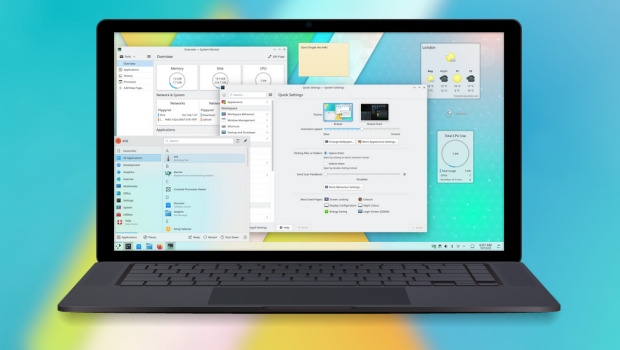
Como dice el día de su lanzamiento, en esta versión los desarrolladores se han dedicado a, entre otras cosas, a presentar grandes novedades para su proyecto Plasma Bigscreen, un entorno gráfico que proporciona una interfaz gráfica adecuada para su uso en pantallas grandes como Televisores o proyectores, y cuyo manejo estáoptimizado para mandos a distancia.
De esta forma, en Plasma 5.26 Bigscreen ha presentado a Aura, un navegador especialmente diseñado para grandes pantallas con grandes y claramente recuadros etiquetados que nos permiten navegar por Internet usando el mando a distancia desde el sofá.
Por otra parte, también se ha presentado el Reproductor Plank, un reproductor multimedia sencillo y fácil de usar con el que podrás reproducir vídeos de cualquier dispositivo de almacenamiento que conectes al televisor.
Vale la pena recordar que Plasma Bigscreen es toda una alternativa funcional para liberar tu «Televisor Inteligente» que se sustenta en sus grandes ventajas:
- Es Software Libre y Open Source.
- Ofrece innovación ya que supone un reto de adaptación de las aplicaciones a una nueva forma de interaccionar con ellas.
- Puede ser controlado por voz.
- Es abierto y, por tanto, puede ser fácilmente ampliado con nuevas funcionalidades y aplicaciones.
- Está soportada por la Comunidad KDE, garantía de calidad.
Y, si quieres estar todavía más libre os comento que Plasma Bigscreen ya ha sido probado con una Raspberry Pi conectada a un TV por su entrada HDMI, y funciona a las mil maravillas.
Más información: KDE
La entrada Las novedades de Plasma Bigscreen de Plasma 5.26 se publicó primero en KDE Blog.

Request Page Redesign - Build results and superseded conversations
Negosiasi : Permintaan Dadakan dan Meeting Offline
Salah satu masalah yang kerap dialami jika kita mengelola perusahaan jasa di Indonesia adalah permintaan dadakan. Sebagai contoh, tiba-tiba ada calon klien yang bilang malam-malam, “Pak Vavai, besok diminta datang presentasi ke kantor ya…”
Dan saya gelagepan harus jawab gimana. Kerapkali yang meminta request dadakan seperti ini dari instansi pemerintah, dimana atasan mereka waktunya terbatas dan perintah pimpinan adalah perintah yang harus dilaksanakan.
Masalah buat Excellent adalah tidak siap jika dadakan. Bukan soal materi presentasinya, melainkan agenda waktu, siapa yang ditunjuk dan apa saja yang harus disiapkan.
Sebagai contoh, agenda pekan depan atau bulan depan biasanya sudah disiapkan dari pekan atau bulan sebelumnya. Karena staff terbatas, otomatis kita harus mengatur waktu, antara memberikan support dan services ke klien yang dimiliki saat ini (existing) dan memberikan presentasi atau penawaran untuk klien baru.

Presentasi itu kadang tidak cukup hanya oleh team sales, karena banyak juga yang butuh penjelasan teknis, misalnya terkait migrasi data, teknik switch sistem dan mekanisme support.
Solusi internal yang dilakukan adalah menambahkan kemampuan teknis dasar ke team sales. Namun hal ini tidak menyelesaikan masalah, terutama jika ada permintaan yang berbarengan waktunya.
Masalah kedua selain soal pendadakan adalah permintaan untuk visit atau datang langsung ke kantor klien. Jika permintaan visit ini dilakukan untuk klien yang sudah deal, itu sebenarnya oke saja. Kendalanya adalah jika permintaan presentasi tatap muka itu dilakukan baru awalan atau overview penawaran. Ada banyak faktor yang harus dipikirkan oleh perusahaan kecil, antara lain terkait biaya transport dan akomodasi, waktu dan tenaga yang harus dialokasikan.
Perjalanan visit di lokasi seputaran Jabotabek saja menguras tenaga dan waktu, selain juga alokasi biaya untuk transportasi dan makan team staff. Perjalanan pergi pulang ke kantor klien di Jakarta bisa menyita waktu setengah hari sendiri. Kelihatannya ini hal sepele, tapi jika tidak dikelola dengan baik, banyak pengeluaran yang terjadi yang bahkan lenyap begitu saja karena projectnya tidak deal.
Orang bisa bilang bahwa ini merupakan resiko pekerjaan, karena kan kita tidak tahu mana opportunity yang akan menjadi pekerjaan dan mana yang gagal. Namun saya pribadi lebih cenderung untuk mengantisipasinya.
Jika klien setuju meeting secara online, ini merupakan pilihan pertama. Meeting online jika dilakukan secara komprehensif malah lebih optimal dibandingkan meeting offline. Hemat biaya, waktu dan tenaga juga. Team yang terbatas juga bisa menyambi kerja.
Meeting offline tidak dinafikan begitu saja, namun meeting offline ini lebih diutamakan untuk tindak lanjut pekerjaan. Misalnya untuk kick-off meeting atau meeting awal membahas pekerjaan. Bukan meeting yang masih ngalor ngidul membahas project mentah yang belum ketahuan ujungnya.
Rekan saya punya pengalaman. Ia punya perusahaan startup dibidang development aplikasi. Calon klien minta ia beberapa kali datang untuk presentasi. Dari Bandung ke Jakarta paling tidak menyita biaya hingga 500 ribu rupiah sekali perjalanan. Klien tidak mau dicharge biaya itu karena kan baru presentasi penawaran. Akhirnya ia memasukkan komponennya kedalam penawaran harga. Namun alokasi biaya itu tidak tergantikan karena projectnya tidak deal.
Jika ada beberapa model project seperti itu, pengeluaran yang tidak perlu jadi semakin banyak. Ini bisa menyebabkan kemacetan disisi cash flow usaha, karena biaya itu pasti sedangkan pemasukan belum tentu pasti.
Jadi jika ada request ke Excellent dan pilihan pertama ditawarkan meeting secara online, itu bukan nggak sopan atau malas, melainkan agar lebih efektif dan efisien bagi kedua belah pihak. Kalau kalian mau langganan ke provider besar seperti AWS atau Azure atau GCP, kan kalian juga tidak bisa sembarangan minta mereka datang kecuali nilai projectnya cukup besar atau ada hal tertentu yang bisa menjadi pertimbangan mereka.
Untuk permintaan dadakan, saya biasanya mengecek apakah secara kesiapan memungkinkan atau tidak. Jika memang memungkinkan dan secara peluang bisnis itu masuk akal (make sense), saya bisa meminta team untuk menyiapkannya. Bisa juga hal tersebut dilakukan dalam menjaga relasi bisnis, bukan semata-mata soal projectnya.
Jika kondisinya tidak memungkinkan, saya akan menyampaikannya baik-baik dan menawarkan opsi lain. Bisa opsi online meeting atau bisa juga reschedule waktu. Ini bukan tanpa resiko, karena ada calon klien yang merasa kurang dihargai jika permintaan mereka tidak diterima apa adanya. Mereka tidak mau meeting online dan juga tidak mau digeser waktu atau harinya. Untuk kondisi seperti ini, ada prinsip dasar yang dipegang di Excellent. Prinsip dasarnya adalah : Tidak semua project harus diambil.
Mungkin, adakalanya, deal untuk tidak deal adalah pilihan terbaik bagi kedua belah pihak. Jika itu yang dilakukan, tidak usah merasa menyesalinya, karena bisa jadi itu cara agar kedua belah pihak tetap memiliki relasi yang baik dan dilain waktu baru bisa bekerja sama.
Control Center – Plasmoides de KDE (208)
En el entorno más personalizable que puedes tener en tu ordenador tiene opciones para todos lo gustos… y entre ellos mimetizar algunos aspectos de otros entono de trabajo. Es el caso de Control Center el plasmoide 208 para Plasma de la Comunidad KDE que nos permite tener centralizadas algunas opciones de la bandeja del sistema al estilo del sistema operativo de las manzanas.
Control Center – Plasmoides de KDE (208)
Llevo diciéndolo varios artículos, por norma general los plasmoides sirven para decorar, ampliar funcionalidades o proporcionar información que nuestro sistema tiene de su funcionamiento.
Hoy tenemos el ejemplo de uno que une las tres opciones antes comentadas ya que con Control Center, una creación de prayagjain que nos permite tener centralizadas algunas opciones de la bandeja del sistema. Como vemos en la imagen inferior Control Center es un elemento decorativo, nos informa del estado de servicios como la red wif o el Bluetooth y, evidentemente, nos permite cambiar algunos parámetros.

Su estado de desarrollo es muy inicial ya que, por ejemplo, en la versión que he utilizado para realizar esta entrada no tiene implementada la opción del control de brillo, algo que sí tiene la versión beta, tal y como leemos en el GitHub del programador.
Y como siempre digo, si os gusta el plasmoide podéis “pagarlo” de muchas formas en la cambiante página de KDE Store, que estoy seguro que el desarrollador lo agradecerá: puntúale positivamente, hazle un comentario en la página o realiza una donación. Ayudar al desarrollo del Software Libre también se hace simplemente dando las gracias, ayuda mucho más de lo que os podéis imaginar, recordad la campaña I love Free Software Day 2017 de la Free Software Foundation donde se nos recordaba esta forma tan sencilla de colaborar con el gran proyecto del Software Libre y que en el blog dedicamos un artículo.
Más información: KDE Store
¿Qué son los plasmoides?
Para los no iniciados en el blog, quizás la palabra plasmoide le suene un poco rara pero no es mas que el nombre que reciben los widgets para el escritorio Plasma de KDE.
En otras palabras, los plasmoides no son más que pequeñas aplicaciones que puestas sobre el escritorio o sobre una de las barras de tareas del mismo aumentan las funcionalidades del mismo o simplemente lo decoran.
La entrada Control Center – Plasmoides de KDE (208) se publicó primero en KDE Blog.
Kebun Anggur Zeze Zahra
Usia bibit rata-rata 4-5 bulan. Tinggi primer 30-50 cm, Sekunder 2 meter dan Tersier 1.5 sd 3 meter.
Jenis bibit beraneka ragam. Sebagian ada anggur hijau kemerahan (Trans), Anggur hitam (Akademik dan Black Panther), Anggur Merah Kehitaman (Cherny Crystal), Anggur merah Ninel dan Nizina, Anggur hijau Shine Muscat dan beberapa jenis lainnya.


Media tanam campuran tanah, sekam bakar, kohe dan pasir. Ada treatment urin dan kotoran kelinci sebagai pupuk organik karena kebetulan pelihara kelinci Flemish Giant dan Kelinci lokal di sudut kebun.
History persiapan kebun, penanaman bibit dan kondisi awal kebun bisa dilihat di channel Zeze Zahra https://youtube.com/zezevavai
Selain belajar menanam anggur, baca buku dan artikel soal anggur, lihat channel di Youtube dan ikut di komunitas, saya juga jadi sekalian belajar bikin video untuk mendokumentasikan proses penanaman hingga mulai berbuah 😊
Lokasi kebun : Sumber Jaya, Tambun Selatan, Kabupaten Bekasi.
Iklan : Misalnya mau cari bibit, pupuk, media tanam dan lain-lain 🤭🤗 : Toko Pertanian Zeze Zahra https://goo.gl/maps/tTCA6vzJ1h42MWZM9
Controla qué escritorio utilizas con Minimal Desktop Indicator – Plasmoides de KDE (207)
En el entorno más personalizable que puedes tener en tu ordenador tener varias opciones para una misma cosa es fundamental para poder afinar en tu configuración. De tal forma que me complace presentar Minimal Desktop Indicator, el plasmoide 207 de esta serie que controla qué escritorio utilizas en tu Plasma de unaforma sencilla, elegante y efectiva.
Controla qué escritorio utilizas con Minimal Desktop Indicator – Plasmoides de KDE (207)
Llevo diciéndolo varios artículos, por norma general los plasmoides sirven para decorar, ampliar funcionalidades o proporcionar información que nuestro sistema tiene de su funcionamiento.
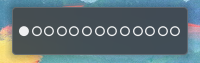
Hoy volvemos a tener un ejemplo de este último caso ya que con Minimal Desktop Indicator, un plasmoide creado por dualitykyle, que nos informa qué escritorio virtual estamos visualizando en este momento en nuestra pantalla utilizando de una forma sencilla y mimalista, no exenta de funcionalidades interesantes como:
- Acciones personalizables de clic izquierdo/clic derecho
- Cambio de escritorios mediante el widget de desplazamiento
- Mostrar los escritorios en una sola fila o seguir la configuración de Plasma
- Tamaño del indicador personalizable
Y como siempre digo, si os gusta el plasmoide podéis “pagarlo” de muchas formas en la cambiante página de KDE Store, que estoy seguro que el desarrollador lo agradecerá: puntúale positivamente, hazle un comentario en la página o realiza una donación. Ayudar al desarrollo del Software Libre también se hace simplemente dando las gracias, ayuda mucho más de lo que os podéis imaginar, recordad la campaña I love Free Software Day 2017 de la Free Software Foundation donde se nos recordaba esta forma tan sencilla de colaborar con el gran proyecto del Software Libre y que en el blog dedicamos un artículo.
Más información: KDE Store
¿Qué son los plasmoides?
Para los no iniciados en el blog, quizás la palabra plasmoide le suene un poco rara pero no es mas que el nombre que reciben los widgets para el escritorio Plasma de KDE.
En otras palabras, los plasmoides no son más que pequeñas aplicaciones que puestas sobre el escritorio o sobre una de las barras de tareas del mismo aumentan las funcionalidades del mismo o simplemente lo decoran.
La entrada Controla qué escritorio utilizas con Minimal Desktop Indicator – Plasmoides de KDE (207) se publicó primero en KDE Blog.